
Have you ever wondered if a simple battery can deliver high voltage power? You might think batteries are only for small devices, but what if you could use them to generate much higher voltage?
Understanding how this works can unlock new possibilities for your projects or daily life. Keep reading, and you’ll discover the surprising facts and practical tips about using batteries for high voltage. This knowledge could change the way you think about power and energy forever.
Basics Of Battery Voltage
Batteries store electrical energy and provide voltage to power devices. The voltage of a battery depends on its type and how it is built. Understanding battery voltage helps in using batteries safely and effectively. Voltage is the force that pushes electric current through a circuit.
Different batteries have different voltages. Knowing the basics of battery voltage is important for many applications. Small batteries power toys, while larger ones run cars and machines. Let’s explore how battery voltage works.
Voltage In Single Cells
A single battery cell produces a fixed voltage. This voltage depends on the materials inside the cell. Most common cells, like AA or AAA, have about 1.5 volts. Some cells, like lithium-ion, produce around 3.7 volts. The voltage is constant for each cell type.
Single cells have limited voltage. To get higher voltage, cells must be combined. Each cell adds its voltage to the total.
Series And Parallel Connections
Connecting cells in series increases total voltage. The voltage adds up from each cell. For example, three 1.5-volt cells in series make 4.5 volts. This method raises voltage without changing current capacity.
Parallel connections keep voltage the same. They increase the battery’s capacity to deliver current. This helps devices run longer without increasing voltage.
Choosing series or parallel depends on the needed voltage and current. Many battery packs combine both methods.
Battery Chemistry Impact
Battery chemistry defines the voltage of each cell. Different materials create different voltages. Alkaline cells usually have 1.5 volts. Lithium-ion cells provide higher voltage, about 3.7 volts.
Chemistry also affects battery life and performance. Some chemistries handle high voltage better. Others last longer or work in colder temperatures. Knowing chemistry helps select the right battery for high voltage needs.
Methods To Achieve High Voltage
Creating high voltage from batteries requires specific methods. Batteries usually provide low voltage. To get higher voltage, you must connect or convert them in special ways. This section explains three common methods to achieve high voltage safely and effectively.
Connecting Batteries In Series
Connecting batteries in series means linking their positive end to the next battery’s negative end. This adds their voltages together. For example, three 1.5V batteries in series give 4.5V total. This method is simple and common. It works well for increasing voltage without extra parts. Care is needed to match battery types and charge levels.
Using Voltage Boost Converters
Voltage boost converters are small electronic devices. They increase battery voltage to a higher level. These converters use circuits to step up voltage efficiently. They are useful when a stable high voltage is needed from low-voltage batteries. This method allows flexibility and compact design. It also protects batteries from being drained too fast.
Battery Packs And Modules
Battery packs combine many cells in series and parallel. This setup increases voltage and capacity. Packs are designed for specific voltage and power needs. Modules offer ready-to-use battery groups with built-in safety features. They simplify building high-voltage systems. Using packs and modules ensures consistent performance and safety.
Limitations Of Batteries For High Voltage
Batteries are common power sources for many devices. But using them for high voltage needs has clear limits. These limits affect safety, performance, and durability. Understanding these issues helps choose the right power option.
Safety Concerns
Batteries can be dangerous at high voltages. They may overheat or catch fire if not handled well. Short circuits can cause sparks or explosions. Proper insulation and protection are essential. Without safety measures, risks increase sharply.
Voltage Stability Issues
Batteries often struggle to keep voltage steady at high levels. Voltage can drop quickly under heavy load. This causes devices to work poorly or stop. Maintaining stable voltage needs complex control systems. Many batteries are not designed for constant high voltage output.
Thermal Management
High voltage use makes batteries heat up fast. Excess heat damages battery life and performance. Cooling systems must be in place to manage this heat. Without good thermal management, battery failure happens sooner. Heat buildup also raises safety risks significantly.
Credit: chargedevs.com
Applications Requiring High Voltage
High voltage is essential in many fields. It powers machines and systems that need strong, steady energy. Batteries can provide this voltage but must be designed right. Different applications require different voltage levels. Understanding these uses helps explain battery roles in high voltage supply.
Electric Vehicles
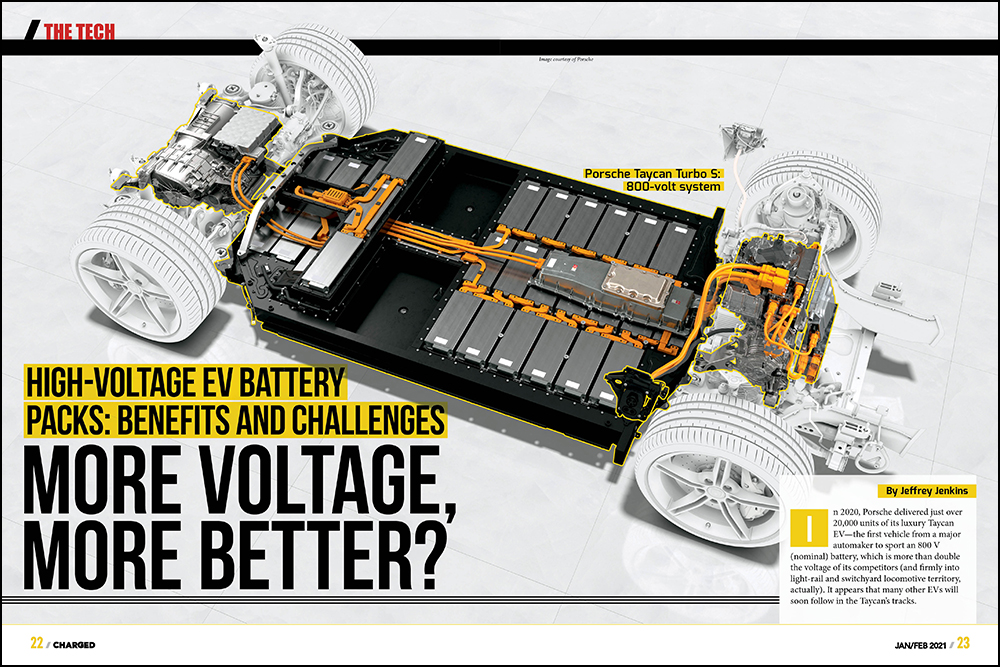
Electric vehicles (EVs) need high voltage to run efficiently. Their batteries deliver power to motors that move the car. Higher voltage means better speed and longer driving range. EV batteries often have many cells linked to reach the needed voltage. Safety and battery management systems keep the voltage stable.
Renewable Energy Systems
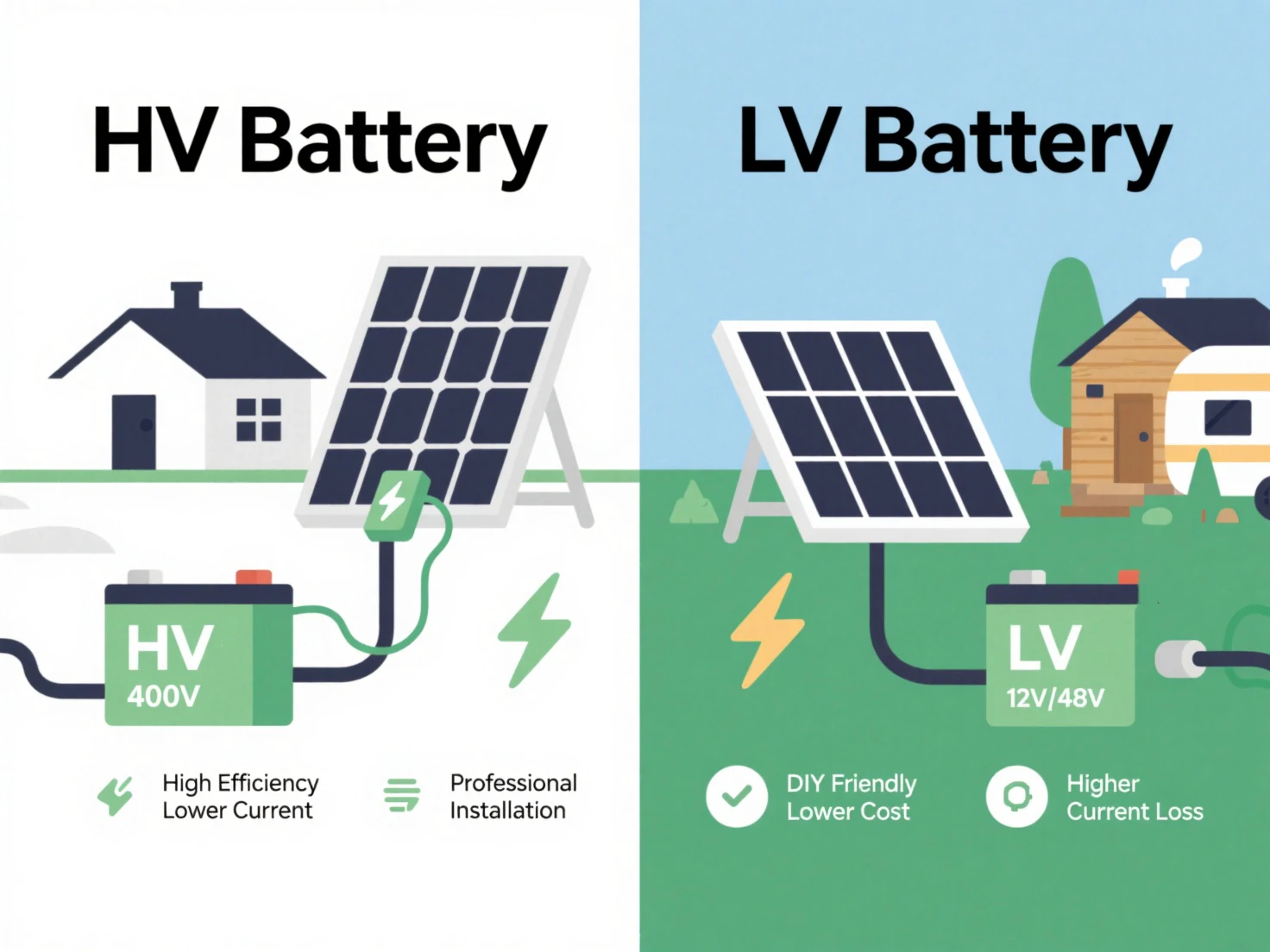
Solar panels and wind turbines generate electricity at varying voltages. Batteries store this energy for use when the sun or wind is low. High voltage batteries help store large amounts of energy safely. They connect with inverters that change DC to AC power for homes. This setup supports clean and reliable energy use.
Industrial Equipment
Many machines in factories require high voltage for operation. Batteries provide backup power during outages. High voltage batteries also power mobile equipment like forklifts. They ensure machines run smoothly without interruption. Proper battery design is key to handling heavy industrial loads.
Alternatives To Batteries For High Voltage
High voltage needs more than just batteries. Batteries have limits in voltage and size. Many devices require stable and high voltage power sources. Different technologies can provide this power better than batteries.
Capacitors And Supercapacitors
Capacitors store electrical energy quickly. They release energy fast and handle high voltage spikes well. Supercapacitors hold more charge than regular capacitors. They charge and discharge rapidly. These make them useful in systems needing brief high voltage bursts. They last longer than batteries and work well in many applications.
Transformers And Power Supplies
Transformers change voltage levels efficiently. They step up low voltage to high voltage safely. Power supplies convert electrical energy to needed voltage and current. These devices provide steady and controlled high voltage output. They work well for electronics and industrial equipment. Transformers and power supplies offer reliable high voltage without batteries.
Hybrid Systems
Hybrid systems combine batteries with other technologies. They use capacitors or power supplies to boost voltage. This method improves battery life and performance. Hybrid setups suit electric vehicles and renewable energy. They balance high voltage needs with energy storage. Hybrid systems offer flexible solutions for many uses.

Credit: www.flashbattery.tech
Best Practices For High Voltage Battery Use
Using batteries to provide high voltage requires careful attention. Safety and efficiency depend on how you handle the battery setup. Following best practices can prevent accidents and extend battery life.
Proper Wiring Techniques
Use wires that match the battery’s voltage and current ratings. Connect cells in series to increase voltage safely. Avoid loose connections to prevent sparks or heat buildup. Use insulated tools and wear protective gloves while wiring.
Monitoring And Maintenance
Check battery voltage regularly to spot issues early. Look for signs of swelling, leaks, or damage. Keep terminals clean and free from corrosion. Replace batteries that show any physical damage or low capacity.
Protective Devices
Install fuses or circuit breakers to stop overcurrent damage. Use voltage regulators to maintain steady output voltage. Include temperature sensors to avoid overheating problems. Protective gear helps keep both you and your equipment safe.
Credit: www.aforenergy.com
Frequently Asked Questions
Can A Single Battery Provide High Voltage Output?
A single battery usually provides low voltage, like 1. 5V or 12V. High voltage needs multiple batteries linked in series to add their voltages.
How Do Batteries Create Higher Voltage Together?
Batteries connected in series add their voltages. For example, ten 1. 5V batteries in series give 15V total.
What Limits Using Batteries For Very High Voltage?
Battery size, safety, and complexity limit high voltage use. More batteries need careful handling and stable connections.
Can Lithium Batteries Safely Deliver High Voltage?
Lithium batteries can deliver higher voltage but need protection circuits. These prevent overheating, short circuits, and damage.
Is It Better To Use Batteries Or Power Supplies For High Voltage?
Power supplies offer stable high voltage with safety controls. Batteries are portable but less stable and harder to manage at high voltages.
Conclusion
Batteries can provide high voltage by connecting several cells in series. Each cell adds to the total voltage output. This method suits many small devices and projects. Still, batteries alone may not meet very high voltage needs safely. Using proper equipment and precautions is important.
Understanding battery limits helps avoid damage or accidents. Always choose the right battery type for your specific use. Simple setups work best for beginners. Complex systems need expert advice. Batteries remain a useful power source for many applications.