
When you’re choosing an electric vehicle (EV) or just curious about how they work, understanding battery energy and power density is key. These two terms might sound technical, but they directly affect your car’s performance and how far you can drive on a single charge.
Knowing the difference can help you make smarter decisions, whether you’re buying an EV or simply want to get the most out of your current one. Keep reading to discover how energy and power density shape your driving experience and why they matter more than you might think.
Credit: www.darrinqualman.com
Energy Density Basics
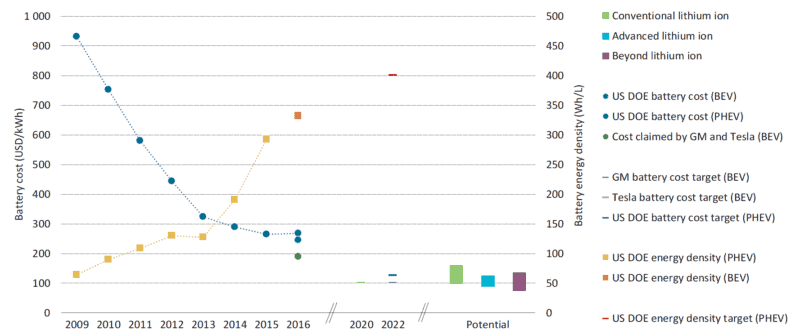
Understanding energy density is key to grasping electric vehicle (EV) battery performance. It tells us how much energy a battery stores in a certain space or weight. This affects how far an EV can travel before needing a recharge.
Energy density impacts the size, weight, and efficiency of batteries. Smaller, lighter batteries with high energy density improve EV design and range. Let’s explore the basics of energy density and why it matters in EVs.
What Energy Density Means
Energy density describes the amount of energy stored in a given volume or mass. It shows how tightly energy is packed inside the battery. Higher energy density means more energy stored in less space or weight.
There are two main types: gravimetric and volumetric energy density. Gravimetric energy density measures energy per unit of weight. Volumetric energy density measures energy per unit of volume.
Units And Measurement
Energy density is measured in watt-hours per kilogram (Wh/kg) for weight. This tells how many watt-hours the battery stores per kilogram. Another unit is watt-hours per liter (Wh/L), showing energy per volume.
Scientists and engineers use these numbers to compare batteries. Higher values mean better energy storage for the same weight or size.
Importance In Evs
Energy density directly affects EV driving range. Batteries with higher energy density allow cars to travel farther. They also reduce battery size and weight, improving vehicle efficiency.
Better energy density helps lower costs and enhances vehicle design. It supports faster charging and longer battery life. This makes EVs more practical and appealing for everyday use.
Power Density Fundamentals
Power density is a key term in electric vehicle (EV) batteries. It tells us how fast a battery can deliver energy. This is very important for how well an EV performs. Understanding power density helps to see why some batteries work better in different situations.
Let’s explore the basics of power density. What it means, how it is measured, and why it matters for vehicle performance.
Defining Power Density
Power density measures the power output per unit of battery weight or volume. It shows how quickly energy can flow from the battery. High power density means the battery can deliver a lot of power fast. Low power density means the battery delivers power more slowly. This affects acceleration and how the vehicle handles sudden power needs.
How It’s Measured
Power density is measured in watts per kilogram (W/kg) or watts per liter (W/L). It compares power output to battery mass or size. Testing involves running the battery at high loads and measuring output power. The higher the number, the better the battery is at delivering quick bursts of energy.
Role In Vehicle Performance
Power density impacts acceleration and driving feel. Batteries with high power density can give fast starts and quick responses. They support features like hill climbing and rapid overtaking. Low power density batteries are better for steady, long drives. Power density also affects battery life and heat management in the vehicle.
Energy Density Vs Power Density
Electric vehicle (EV) batteries have two important features: energy density and power density. These terms describe how the battery stores and delivers energy. Understanding their differences helps explain EV performance and range.
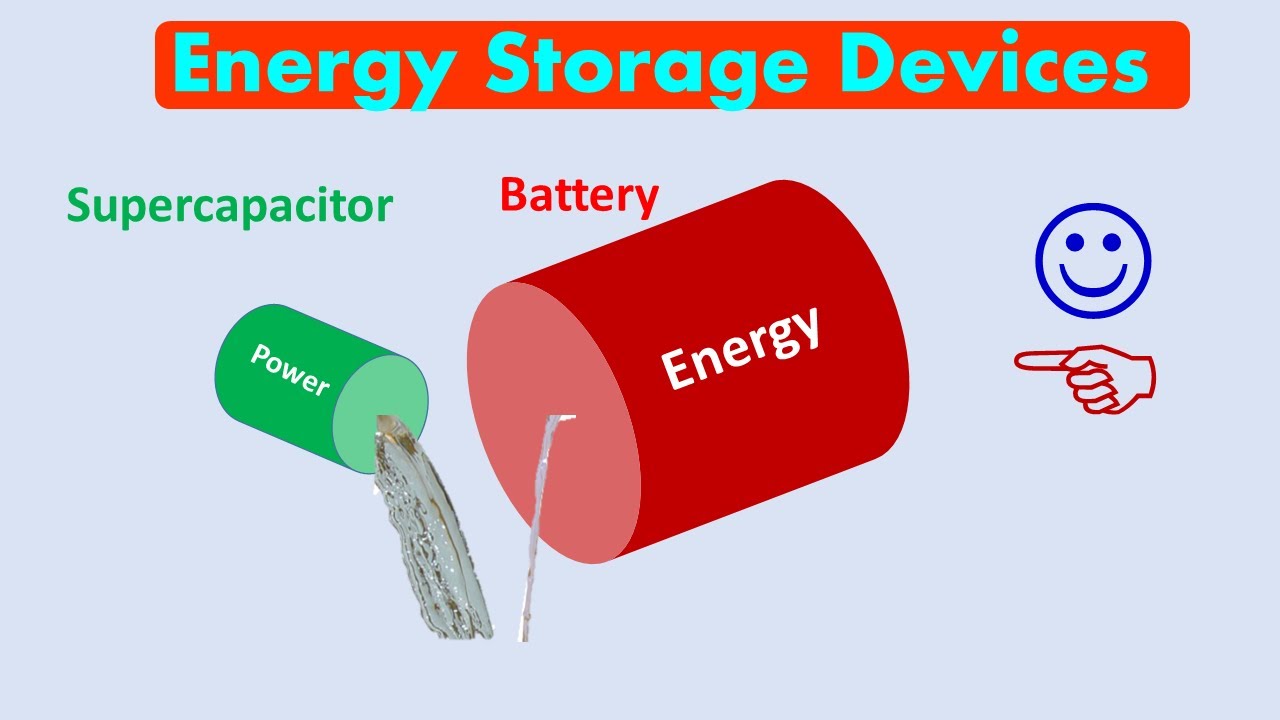
Energy density measures how much energy a battery holds in a given size or weight. Power density shows how fast the battery can deliver energy. Both affect driving experience but in different ways.
Core Differences
Energy density focuses on total stored energy. It tells how far an EV can drive before recharging. Power density is about energy delivery speed. It affects how quickly an EV can accelerate or handle power demands.
Impact On Driving Range
Batteries with high energy density give longer driving range. They hold more charge for the same size or weight. Low energy density means more frequent charging stops. Power density has less effect on range but influences battery performance under heavy load.
Effect On Acceleration
Power density directly impacts acceleration. High power density lets the battery release energy quickly. This means faster starts and better response. Low power density may cause slower acceleration and less power for quick bursts.
Credit: www.youtube.com
Battery Chemistry Influence
Battery chemistry plays a big role in electric vehicle (EV) battery performance. It affects how much energy a battery can store and how fast it can deliver power. Different chemistries offer unique benefits and challenges. Understanding these helps choose the right battery for specific EV needs.
Energy density means how much energy a battery holds. Power density means how quickly the battery can release energy. Battery chemistry influences both these factors. This section explains common chemistries, their trade-offs, and new technologies shaping the future.
Common Chemistries And Their Traits
Lithium-ion batteries are common in EVs. They have good energy density and decent power density. Different types include Lithium Nickel Manganese Cobalt (NMC) and Lithium Iron Phosphate (LFP). NMC batteries store more energy but cost more. LFP batteries last longer and are safer but hold less energy.
Nickel Cobalt Aluminum (NCA) batteries offer high energy density. They power long-range electric cars. Solid-state batteries are emerging with better safety and energy storage. Each chemistry serves different EV uses.
Trade-offs Between Energy And Power
Batteries with high energy density often have lower power density. They can store more but release energy slower. Batteries with high power density deliver energy quickly but store less. Choosing the right balance depends on the EV’s purpose.
For example, racing EVs need high power density for fast acceleration. Long-range EVs need high energy density to travel further. Chemistry determines how well a battery meets these needs.
Emerging Technologies
Solid-state batteries promise higher energy and power density. They replace liquid electrolytes with solid materials. This change improves safety and charging speed. Researchers also explore lithium-sulfur and lithium-air batteries. These could offer much higher energy density than current types.
Advances in battery chemistry may soon boost EV performance and range. New materials and designs continue to evolve the market.
Design Considerations
Designing EV batteries requires careful planning. Engineers must balance many factors to achieve the best results. Energy and power density are key aspects to consider. These affect how far and how fast a vehicle can go. Safety, size, and weight also play important roles. Effective design meets performance needs and fits within physical limits.
Balancing Energy And Power Needs
Energy density determines the total battery capacity. It affects the driving range of the EV. Power density controls how quickly energy can be delivered. It impacts acceleration and peak power demands. Designers must find the right mix for the vehicle’s purpose. Too much energy density with low power can slow response. High power density but low energy limits driving distance.
Thermal Management
Batteries generate heat during charging and discharging. Excess heat can damage cells and reduce battery life. Efficient cooling systems help maintain safe temperatures. Good thermal management improves battery performance and safety. Design must include cooling channels or liquid cooling options. This keeps the battery stable under different driving conditions.
Weight And Size Constraints
Battery size and weight influence the vehicle’s efficiency. Larger batteries add weight and reduce overall efficiency. Space inside the vehicle limits battery dimensions. Designers optimize cell arrangement to save space. Lightweight materials help reduce battery weight. Balancing these factors supports better driving dynamics and range.
Real-world Applications
Understanding the balance between energy and power density in EV batteries helps explain their real-world use. Different electric vehicles need different battery qualities. Some focus on how far they can go, while others focus on how fast they can accelerate. This affects which EV model fits best for certain drivers and uses.
Ev Models Prioritizing Energy Density
Cars built for long trips use batteries with high energy density. These batteries store more energy in the same space. This means the car can travel longer distances on one charge. Popular electric sedans and SUVs often use these batteries. They suit daily commuting and road trips well. Drivers who want fewer stops for charging prefer these models.
Ev Models Focusing On Power Density
Some EVs need quick bursts of power instead of long range. These use batteries with high power density. Such batteries deliver energy fast to the motor. Sports cars and performance EVs often choose this setup. It allows rapid acceleration and strong hill climbing. These vehicles fit drivers who want a sporty feel or drive in tough conditions.
Use Cases And Driving Styles
City drivers often choose EVs with high energy density. They benefit from longer range and fewer charges. Drivers who need fast acceleration or drive on rough roads prefer power density. Delivery vehicles and taxis may also favor quick power for stop-and-go traffic. Understanding these differences helps buyers pick the right EV for their lifestyle.
Future Trends
The future of EV batteries is full of promise and innovation. Battery energy and power density will improve to meet the growing needs of electric vehicles. These trends will impact how cars perform and how far they can travel.
Advances In Battery Materials
New materials can store more energy in smaller spaces. Scientists work on solid-state batteries that are safer and last longer. These materials help batteries charge faster and hold more power without adding weight.
Improving Both Energy And Power
Researchers focus on balancing energy and power density together. This means batteries will provide longer driving ranges and quick acceleration. Better designs will reduce battery size while increasing performance.
Impact On Ev Market
Improved batteries will make electric vehicles more affordable and practical. More people will choose EVs as charging times shorten and driving ranges grow. The market will expand with more models and options for buyers.

Credit: www.everythingpe.com
Frequently Asked Questions
What Is The Difference Between Ev Battery Energy And Power Density?
Energy density shows how much total energy a battery stores. Power density tells how fast the battery can release that energy. Both affect EV performance in different ways.
Why Does Power Density Matter For Electric Vehicles?
Power density affects how quickly an EV can accelerate or climb hills. Higher power density means the battery can give more energy at once. This helps with strong, quick movements.
How Does Energy Density Impact Ev Driving Range?
Energy density controls how far an EV can travel on one charge. More energy density means longer driving distance. It is key for longer trips without charging stops.
Can A Battery Have High Energy And Power Density Together?
Usually, batteries have to balance between energy and power density. High energy density often lowers power density and vice versa. New tech tries to improve both at the same time.
Which Is More Important: Energy Density Or Power Density?
The importance depends on how you use the EV. For long trips, energy density is key. For quick speed and power, power density matters more. Most EVs need a good balance of both.
Conclusion
Battery energy and power density both shape electric vehicle performance. Energy affects how far the car can go. Power density controls how fast it can accelerate. Choosing the right balance depends on your needs. More energy means longer trips but slower speed bursts.
More power density means quick acceleration but shorter range. Understanding these terms helps make smart EV choices. Every driver values different things in a battery. Keep these points in mind when comparing EVs. It makes the decision clearer and easier.