
Are you curious about how much you’ll really spend charging your electric vehicle? Choosing between home charging and supercharging can make a big difference in your wallet.
But which one saves you more money in the long run? You’ll discover the true cost behind each option. By the end, you’ll have a clear answer to help you make smarter decisions for your car and your budget. Keep reading to find out where your money goes when charging at home versus using superchargers.

Credit: qmerit.com
Home Charging Basics
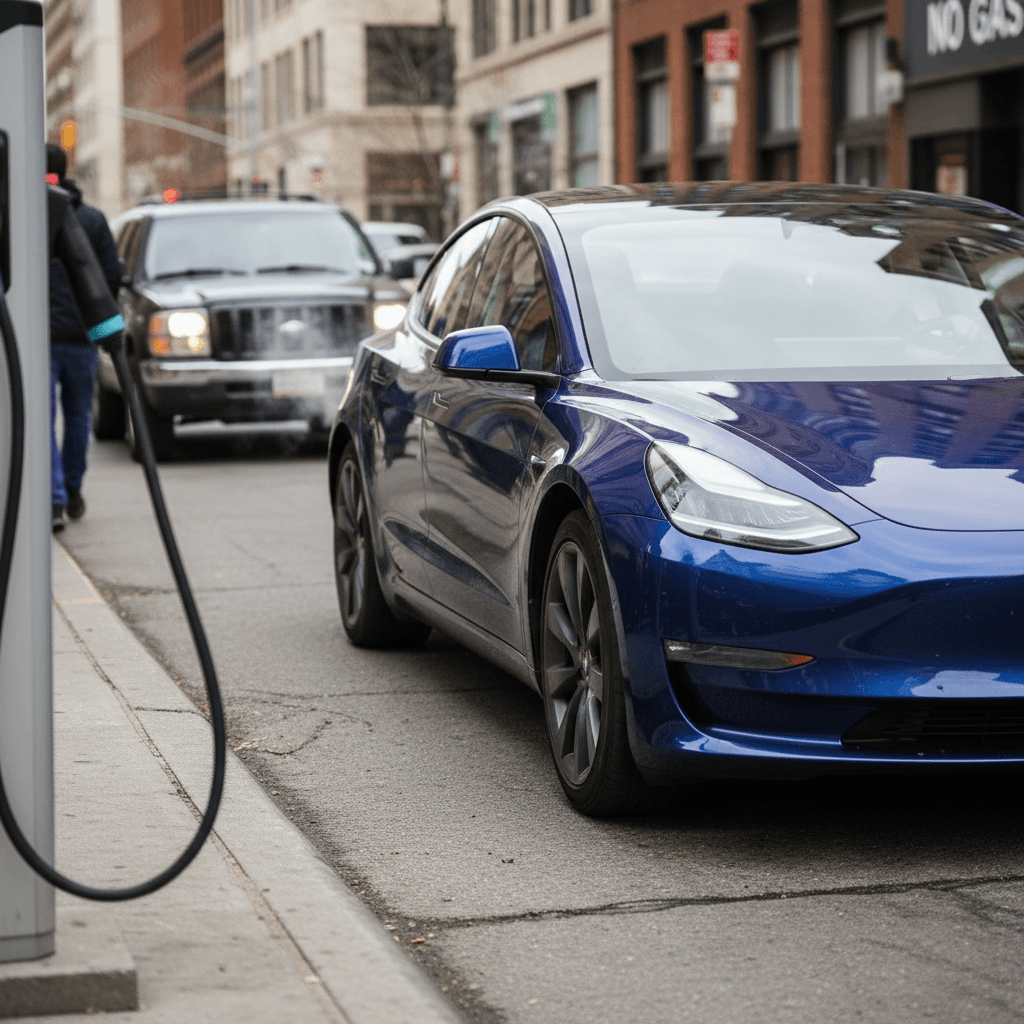
Charging an electric vehicle at home offers a simple and cost-effective option. It lets you power your car overnight, ready for the next day. Understanding the basics of home charging helps you make smart choices about cost and convenience.
Knowing about equipment, electricity rates, and charging speed can guide your decision. Here is a clear look at these important factors.
Equipment And Installation Costs
Home charging requires a charging station, also called an EVSE. Basic models cost between $300 and $700. Installation by a licensed electrician adds $200 to $1,000. The total depends on your home’s wiring and distance from the breaker box. Some older homes may need upgrades, increasing costs.
Electricity Rates At Home
Electricity prices vary by location and provider. Most homes pay between 10 to 20 cents per kWh. Charging at night can be cheaper in many areas due to lower rates. Using a timer on the charger helps take advantage of these off-peak prices. This lowers the overall cost of charging your car at home.
Charging Speed And Convenience
Home chargers typically deliver 3.3 to 7.7 kW power. This adds about 20 to 40 miles of range per hour. Slow compared to superchargers, but enough for overnight charging. Convenience is a major benefit. No need to drive to a station or wait in line. Just plug in when you get home and relax.
Credit: recharged.com
Supercharging Essentials
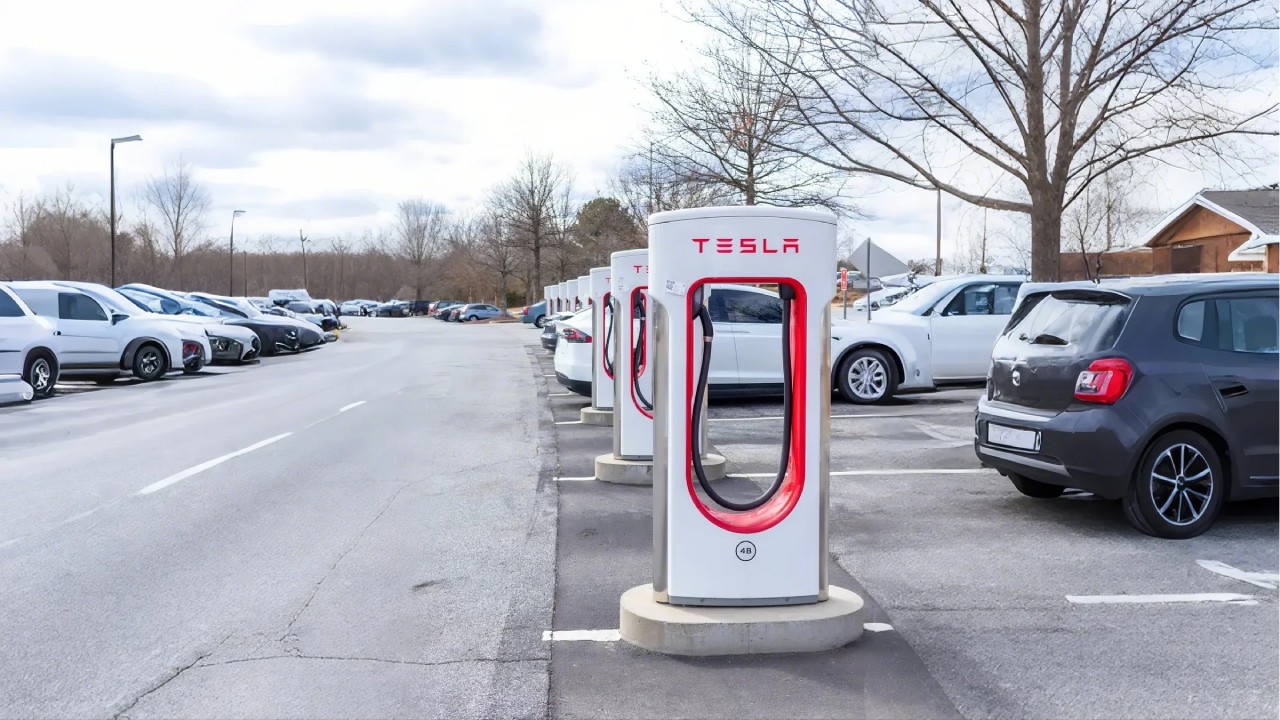
Supercharging offers a fast way to charge electric vehicles. It saves time compared to home charging. Understanding its cost and features helps make smart choices. This section explains key points about supercharging.
Costs depend on the charging station and location. Speed and convenience affect the total value. Knowing these basics helps compare supercharging with home charging costs.
Public Charger Pricing Models
Public chargers use different price methods. Some charge by the minute. Others charge by the kilowatt-hour (kWh). Some stations have a flat fee per session.
Pricing can vary by location and provider. Urban areas may cost more than rural ones. Some networks offer subscription plans for regular users.
Charging Speed Benefits
Superchargers deliver high power quickly. They can charge a car up to 80% in 30 minutes. This speed is much faster than home chargers.
Fast charging is useful for long trips. It reduces waiting time significantly. Short stops can add many driving miles.
Accessibility And Location Factors
Superchargers are found along highways and busy spots. Their locations suit travelers and daily commuters. Some places have many stations close together.
Accessibility affects convenience and cost. Stations in prime locations may have higher prices. Availability impacts charging options during peak hours.
Cost Breakdown Comparison
Comparing the costs of home charging and supercharging helps you decide the best option. Understanding the cost breakdown gives a clear view of what to expect. This section covers upfront expenses, ongoing energy costs, and maintenance fees.
Upfront Expenses
Home charging requires buying a charger and installation. Chargers can cost between $400 and $1,200. Installation varies based on your home’s electrical setup. Supercharging has no upfront costs for users. You just pay per use at the station.
Ongoing Energy Costs
Home charging uses electricity from your utility provider. The cost depends on your local electricity rates. Charging at night often costs less. Supercharging rates are higher than home electricity. Prices can change by location and time of day.
Maintenance And Service Fees
Home chargers need little maintenance. Occasional checks are enough to keep them working. Supercharging stations handle maintenance themselves. You do not pay extra for upkeep. Your costs come only from the energy used.
Impact On Battery Health
Battery health is a key factor when choosing between home charging and supercharging. The way you charge affects how long your battery will last. Different charging methods have different impacts on battery life. Understanding these effects helps in making smart decisions for your electric vehicle.
Charging Frequency Effects
Charging often with a supercharger can heat the battery. Heat speeds up battery wear and reduces capacity. Home charging usually uses slower rates, causing less heat. Slower charging helps keep the battery cooler and healthier. Frequent supercharging may cause the battery to age faster. Charging less often and at a lower power helps protect battery life.
Long-term Battery Performance
Slow home charging improves long-term battery health. It helps maintain the battery’s full capacity over time. Supercharging can cause gradual capacity loss after many uses. Battery performance drops faster with repeated fast charging. Keeping charge levels between 20% and 80% is better for battery life. Regular home charging supports steady and longer battery performance.
User Lifestyle Considerations
User lifestyle plays a big role in choosing between home charging and supercharging. The cost difference is clear, but how often and where you drive matters most. Understanding your daily habits helps make the best choice for saving money and time.
Let’s explore some key lifestyle factors that affect charging costs and convenience.
Daily Driving Patterns
Most people drive short distances each day. Home charging fits well here. You can charge overnight while you sleep. This usually costs less than supercharging. If your daily trips are under 50 miles, home charging is cheaper and easy.
For longer daily drives, home charging might not fill your battery completely. Then, you may need to use superchargers sometimes. This raises your overall charging cost. Knowing your daily mileage helps decide the best mix.
Travel And Road Trips
Road trips need fast charging to save time. Superchargers offer quick top-ups on highways. This convenience comes at a higher cost. Planning stops at superchargers fits well for long trips over 100 miles.
Home charging cannot match this speed. It is best for regular use at home. Travelers who often take long trips may spend more on supercharging. For those, supercharging cost is part of the travel expense.
Time Vs Cost Trade-offs
Charging at home costs less but takes more time. You charge slowly during the night or work hours. Supercharging costs more but charges fast. It saves time when you need quick energy.
Choosing depends on your schedule and budget. If you value saving money and have time, home charging works well. If saving time is key, supercharging is worth the extra cost.
Credit: tayniu.com
Environmental And Economic Factors
Choosing between home charging and supercharging impacts both the environment and your wallet. Understanding these factors helps you make a smart choice. Energy use and costs differ by charging method. Both have unique effects on emissions and savings.
Energy Source And Emissions
Home charging often uses electricity from your local grid. The source varies by region. Some areas rely on clean energy like wind or solar. Others use coal or natural gas, which create more emissions.
Superchargers mostly draw power from the grid too. But they may use more electricity in a short time. This demand can increase reliance on fossil fuels during peak hours. It can raise your carbon footprint compared to home charging with renewable energy.
Using solar panels at home cuts emissions. It makes home charging greener and cheaper. Supercharging stations may have limited renewable energy options right now.
Incentives And Rebates
Many governments offer rebates for installing home charging stations. These incentives lower upfront costs. They encourage cleaner energy use and reduce total expenses.
Some areas provide discounts on electricity rates for home charging at night. This saves money and eases grid demand.
Supercharging usually has fewer incentives. It can be pricier per kWh. Costs add up faster with frequent use.
Choosing home charging often means better savings and environmental benefits. Incentives make it easier to invest in clean energy at home.
Making The Right Choice
Choosing between home charging and supercharging depends on several factors. Cost is important, but so are convenience and future changes. Understanding these points helps make the best decision for your needs and wallet.
Personal Budget Analysis
Home charging often costs less per charge than supercharging. Installing a home charger requires an upfront expense. This includes equipment and possible electrician fees. Over time, home charging saves money if you charge mostly at home. Supercharging costs more each session but needs no installation. Frequent supercharging can add up quickly in cost. Consider how much you drive daily and where you usually charge. Match your budget to your charging habits.
Convenience Priorities
Home charging offers the comfort of charging overnight. Your car is ready each morning without extra stops. Supercharging suits drivers who travel long distances often. It provides fast charging in public places. Some may prefer the speed despite higher costs. Others might want to avoid waiting at charging stations. Think about your daily routine and travel needs. Convenience often guides the best choice more than price alone.
Future Trends In Charging Technology
Charging technology improves every year. Home chargers are becoming smarter and faster. New models may lower installation costs soon. Superchargers are expanding with more locations worldwide. Wireless and ultra-fast chargers may change options soon. Electric vehicle batteries also improve for longer ranges. Keep an eye on updates that affect costs and ease. Planning ahead saves money and trouble in the long run.
Frequently Asked Questions
What Is The Cost Difference Between Home Charging And Supercharging?
Home charging usually costs less per kWh than supercharging. Supercharging fees include faster service and infrastructure costs. Home charging saves money over time with slower, cheaper electricity.
How Long Does Home Charging Take Compared To Supercharging?
Home charging takes several hours, often overnight. Supercharging can charge a car up to 80% in about 30 minutes. Speed comes at a higher price with supercharging.
Are Home Chargers Cheaper To Install Than Using Superchargers?
Installing a home charger has an upfront cost but no ongoing fees. Superchargers require no installation but charge higher per-use prices. Over time, home charging can be more cost-effective.
Can Supercharging Damage My Electric Vehicle’s Battery?
Supercharging uses high power but modern cars manage battery health well. Frequent supercharging may slightly reduce battery life over many years. Occasional supercharging is safe and convenient.
Is Home Charging Available Everywhere For Electric Vehicles?
Home charging needs a garage or driveway with electricity access. Not all homes have this, limiting home charging options. Superchargers are located in public places for easy access.
Conclusion
Home charging costs less over time and suits daily use. Supercharging is faster but costs more per session. Choosing depends on your driving habits and budget. For regular trips, home charging saves money and effort. For quick top-ups during long drives, supercharging helps.
Balancing both options can keep your expenses low. Think about convenience and how often you drive far. This way, you get the best value for your money.