
How fast can you charge a Tesla battery? If you’ve ever wondered how long you’ll need to wait before hitting the road again, you’re not alone.
Charging speed can make a huge difference in your daily routine and travel plans. You’ll discover the real factors that affect Tesla charging times and how to get the most out of your battery. Keep reading to find out exactly how quickly you can power up and get back on the move.

Credit: www.joinbonnet.com
Tesla Battery Basics
Tesla cars use special batteries to power their electric motors. These batteries store energy that drives the vehicle. Understanding the basics helps explain how fast you can charge a Tesla battery. This section covers the types of batteries, their capacity and range, and the ways to charge them.
Battery Types
Tesla mainly uses lithium-ion batteries. These batteries have many small cells packed together. They are light and hold a lot of energy. Tesla also works on new battery designs to improve life and charging speed. Different Tesla models may have slightly different battery types.
Capacity And Range
Battery capacity shows how much energy a battery holds. It is measured in kilowatt-hours (kWh). A higher capacity means longer driving range. Tesla batteries range from about 50 kWh to over 100 kWh. More capacity lets you drive farther before recharging.
Charging Methods
Tesla batteries can charge in many ways. Home charging uses regular outlets or special Tesla wall chargers. Public chargers offer faster power. Tesla Superchargers provide the quickest charging times. The charging speed depends on the method and battery size.
Charging Speeds Explained
Charging speeds for Tesla batteries vary based on the type of charger used. Understanding these speeds helps you plan your trips and charging stops better. Tesla offers several charging options, each with different power levels and charging times. This section explains the main types of Tesla charging methods and their speeds.
Ac Charging Rates
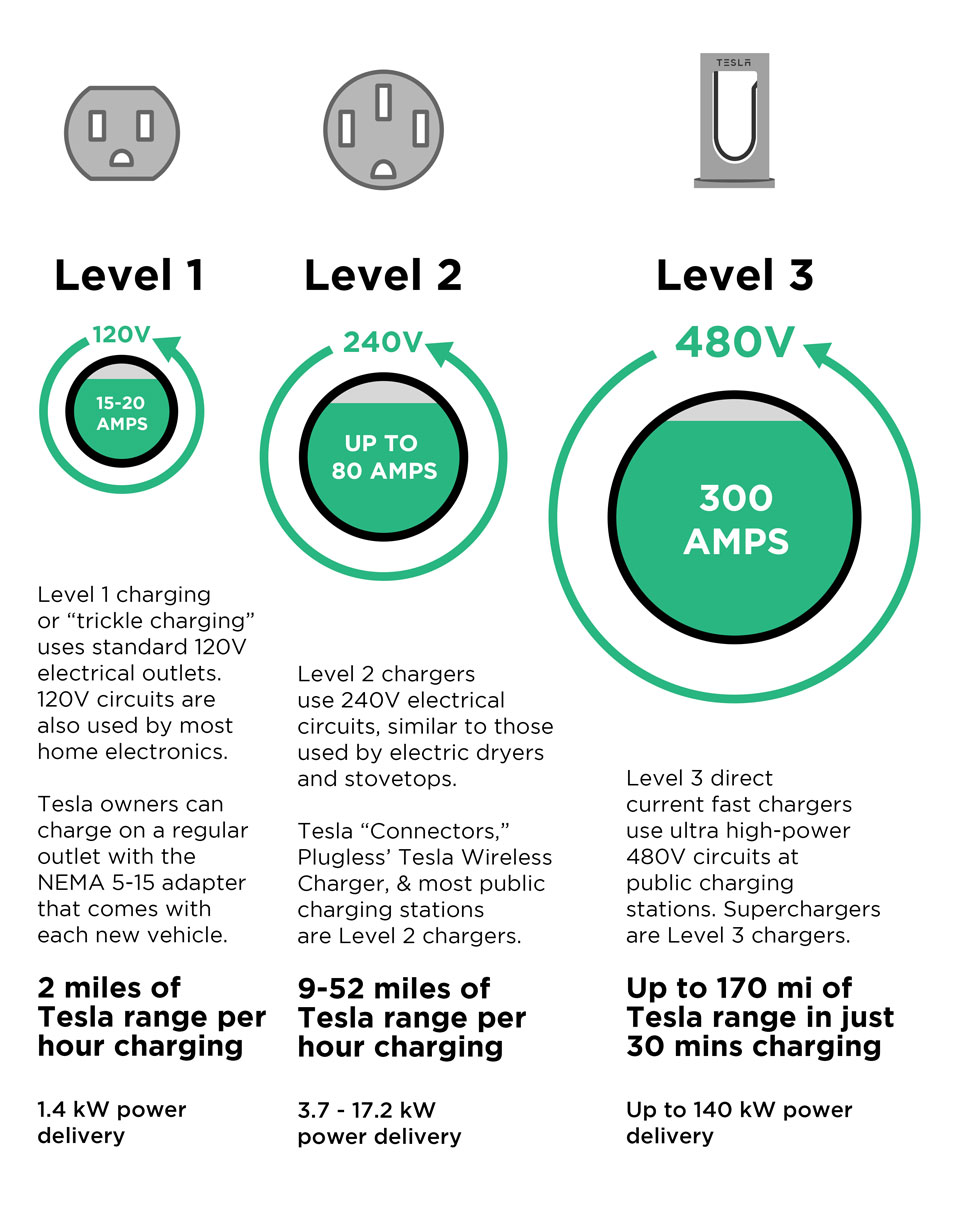
AC charging uses alternating current from home or public chargers. Tesla vehicles come with an onboard charger that converts AC to DC for the battery. Typical home charging rates range from 3 to 11 kW. This means adding about 20 to 50 miles of range per hour. AC charging is slower but convenient for overnight charging.
Dc Fast Charging
DC fast chargers supply direct current straight to the battery. This bypasses the onboard charger and charges much faster. Power levels can reach up to 250 kW at some stations. DC fast charging can add about 150 miles in 15 to 30 minutes. It is ideal for quick stops during long trips.
Supercharger Network
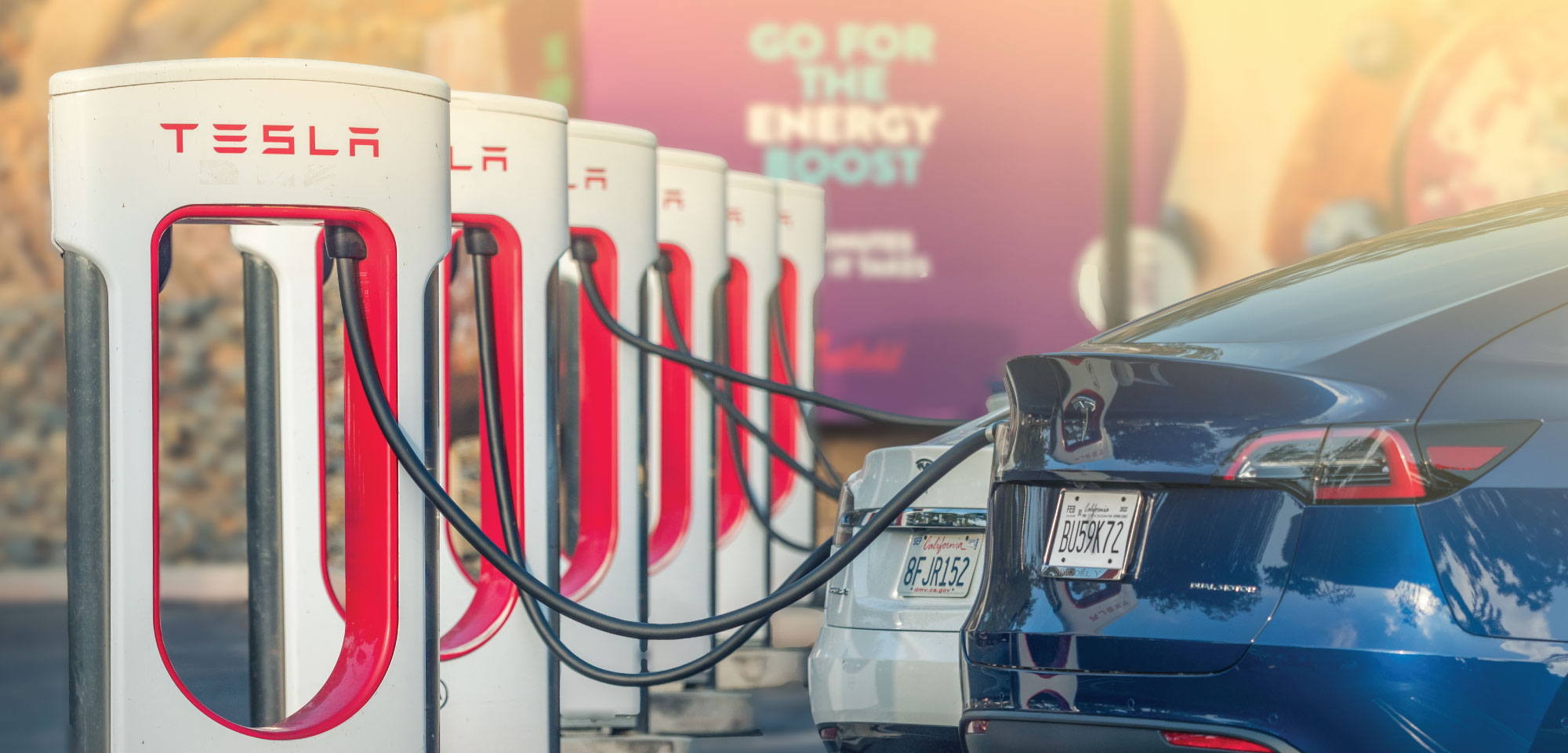
Tesla’s Supercharger network is a dedicated fast charging system. It provides high power, up to 250 kW, for rapid charging. Superchargers can charge a Tesla battery from 10% to 80% in around 30 minutes. They are located along major highways and popular routes. The network supports long-distance travel with reliable charging access.
Factors Affecting Charging Speed
Charging speed varies for every Tesla battery. Several factors control how fast the battery fills up. Understanding these helps you charge smarter and save time.
Some things affect the process inside the battery. Others relate to the charger or the car itself. Let’s explore the main factors that change charging speed.
Battery Temperature
Battery temperature plays a big role in charging speed. Cold batteries charge slower to protect their cells. Tesla cars often warm the battery before charging fast.
Hot batteries also slow down charging to avoid damage. Ideal battery temperature is around 20 to 25 degrees Celsius. Keeping the battery in this range helps charge faster and safely.
State Of Charge
The current battery level affects charging speed. Charging is fastest when the battery is low. As the battery fills up, charging slows down.
Near full charge, the battery takes energy more slowly. This protects the battery from stress and heat. Expect quick charging only at the start of the session.
Charger Power Output
Chargers come with different power outputs. Higher power chargers deliver energy faster. Tesla Superchargers offer much higher power than home chargers.
The charging speed depends on the charger’s capacity and your car’s acceptance rate. Using a powerful charger helps reduce total charging time.
Vehicle Model Differences
Different Tesla models handle charging differently. Newer models often support faster charging speeds. Battery size and technology also affect charging rates.
For example, Model 3 and Model Y can charge faster than older Model S or Model X versions. Knowing your car’s specs helps set charging expectations.
Credit: www.solarreviews.com
Fastest Charging Options
Charging a Tesla battery fast saves time and keeps you on the road longer. Several options offer quick charging speeds. Each option suits different needs and locations. Understanding these choices helps you pick the best one.
Tesla Superchargers V3
Tesla Superchargers V3 are the fastest public chargers made by Tesla. They can deliver up to 250 kW of power. This means adding up to 75 miles of range in just 5 minutes. V3 Superchargers use a new cooling system to keep charging speeds high. Tesla cars can charge from 10% to 80% in about 30 minutes here. These chargers are found along highways and in cities worldwide.
Third-party Fast Chargers
Many third-party chargers work with Tesla vehicles using adapters. Networks like Electrify America and ChargePoint offer fast chargers. Some provide power levels close to Tesla Superchargers, around 150-350 kW. Charging speeds depend on the charger and your Tesla model. Third-party chargers are great for areas without Tesla stations. Always check compatibility and charging speed before use.
Home Charging Upgrades
Upgrading home chargers can speed up daily charging. Tesla Wall Connectors offer up to 11.5 kW power at home. This can add about 44 miles of range per hour. Higher power home chargers need proper electrical setup. Some owners install 240-volt outlets for faster charging. Home charging is slower than public fast chargers but very convenient.
Charging Time Estimates
Charging time is a key factor for Tesla owners. Knowing how long it takes to charge helps plan trips and daily use. Tesla batteries do not charge at the same speed all the time. The charging rate slows down as the battery fills up. Understanding these time estimates can help manage expectations and charging habits.
From 0% To 80%
Charging from 0% to 80% is the fastest part. Tesla’s Superchargers deliver high power during this stage. It can take about 30 to 40 minutes. This fast charging helps on long trips. The battery accepts power quickly when it is low.
From 80% To 100%
Charging slows significantly after 80%. The battery needs careful charging to protect its health. It can take as long as the first 80% or longer. This phase may last 30 to 60 minutes. Many Tesla owners avoid charging to 100% daily.
Typical Daily Charging
Most users charge their Tesla overnight at home. Using a Level 2 charger, it takes 6 to 12 hours. Daily charging usually adds 30 to 50 miles of range. This keeps the battery healthy and ready. Slow, steady charging works best for everyday use.
Credit: pluglesspower.com
Tips To Maximize Charging Speed
Charging a Tesla battery quickly depends on several factors. Small changes in how you charge can save you time. Follow these tips to get the fastest charge possible. These easy steps help keep your battery healthy and ready for the road.
Optimal Charging Practices
Use a high-power charger like a Tesla Supercharger for fast charging. Avoid charging from very low or very high battery levels. Start charging when the battery is between 20% and 80%. This range helps the battery accept power faster. Keep your charging sessions short for quick trips. Longer charges slow down as the battery fills up.
Battery Maintenance
Keep your battery at a moderate temperature. Extreme heat or cold can slow charging speed. Park your Tesla in a garage or shaded area to help. Regularly update your car’s software. Updates improve charging efficiency and battery health. Avoid letting the battery stay completely empty or full for long.
Using Preconditioning
Preconditioning warms or cools the battery before charging. This makes the battery ready to accept power quickly. Use the Tesla app to start preconditioning while driving to a charger. Preconditioning saves time during charging stops. It also helps protect the battery from damage.
Future Of Tesla Charging
The future of Tesla charging holds exciting possibilities. Tesla aims to reduce charging time and make charging more convenient. New technologies and better infrastructure will help drivers spend less time waiting.
Upcoming Technologies
New charging methods will boost Tesla battery speed. Faster chargers with higher power levels are in development. Wireless charging could allow Tesla owners to charge without cables. Smart charging systems will manage power use better and protect the battery.
Charging Infrastructure Expansion
Tesla plans to build more Supercharger stations worldwide. More stations mean less distance between charging points. Faster chargers will be installed at many new locations. Public and home chargers will become easier to find and use.
Battery Innovations
Battery designs are improving to support quicker charging. New battery materials can handle fast charging without damage. Tesla works on batteries that last longer and charge faster. These innovations will make driving electric cars easier and more reliable.
Frequently Asked Questions
How Fast Can A Tesla Battery Charge Fully?
A Tesla battery can charge fully in about 6 to 12 hours using a home charger. With a Supercharger, it can reach 80% charge in around 30 minutes.
What Affects Tesla Charging Speed The Most?
Charging speed depends mainly on the charger type and battery size. Temperature and battery level also play important roles.
Can Tesla Charge Faster With A Supercharger?
Yes, Tesla Superchargers deliver up to 250 kW power. This allows much faster charging compared to regular home chargers.
Does Charging Speed Slow Down Near Full Battery?
Yes, charging slows after 80% to protect the battery. This helps keep the battery healthy for a longer time.
Is Fast Charging Bad For Tesla Battery Life?
Fast charging can cause slight battery wear over time. Using slower charging regularly helps keep the battery in better shape.
Conclusion
Charging a Tesla battery depends on the charger type and battery size. Fast chargers fill the battery quickly but may reduce battery life over time. Slower chargers take longer but help maintain battery health. Knowing your charging options helps you plan trips better.
Always balance speed and battery care for best results. Keep these points in mind to enjoy your Tesla driving experience fully.