
Are you curious about how many solar panels you need to charge your electric vehicle (EV)? Knowing this can help you save money and reduce your carbon footprint at the same time.
Imagine powering your car with clean, free energy from the sun—no more waiting at charging stations or worrying about rising electricity bills. You’ll discover the simple steps to calculate the right number of solar panels for your EV. By the end, you’ll feel confident about making your green energy plan a reality.
Keep reading to find out how easy it can be!
Ev Charging Basics
Charging an electric vehicle (EV) requires understanding some basics. This helps to know how many solar panels you need to charge it. EV charging involves different types of chargers, speeds, and energy use. These factors affect the time and power needed to charge your car fully.
Knowing these basics makes it easier to plan your solar panel setup. It ensures your EV gets enough power every day. Let’s explore the key points of EV charging to help you decide the right number of solar panels.
Types Of Ev Chargers
There are three main types of EV chargers. Level 1 chargers use a regular home outlet. They provide slow charging, usually 2 to 5 miles of range per hour. Level 2 chargers need special equipment and a 240-volt outlet. They charge faster, about 10 to 60 miles of range per hour. DC fast chargers are the quickest. They use high power to charge an EV in 30 minutes or less. Each type changes how long charging takes and how much power you need.
Charging Speeds And Power
Charging speed depends on the charger and the EV’s battery. Level 1 chargers usually deliver 1.4 kW to 1.9 kW. Level 2 chargers range from 3.3 kW to 19.2 kW. DC fast chargers can provide 50 kW or more. Faster chargers need more power and more solar panels. Slow chargers use less power but take more time. Matching your solar system to charging speed is important for efficiency.
Energy Consumption Of Evs
EVs use energy measured in kilowatt-hours (kWh) per 100 miles. Most EVs use between 25 and 40 kWh to travel 100 miles. Energy use varies by model, driving style, and conditions. Knowing your EV’s energy consumption helps calculate daily charging needs. This number guides how many solar panels you must install. Panels must produce enough electricity to cover your driving distance.
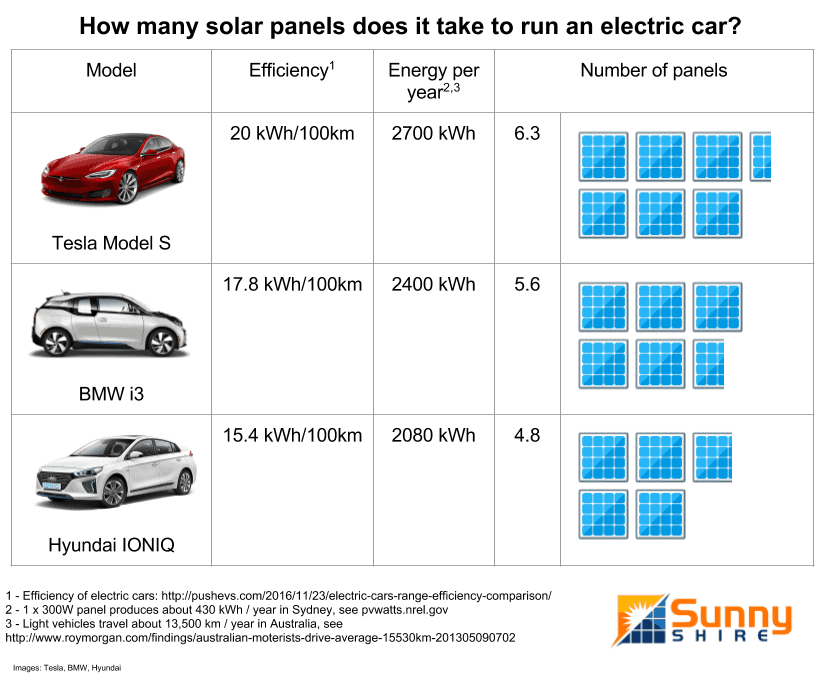
Credit: sunnyshire.org.au
Solar Panel Fundamentals
Understanding the basics of solar panels is key to charging an electric vehicle (EV) efficiently. Solar panels turn sunlight into electricity. The amount of power they produce depends on several factors.
This section breaks down how solar panels work and what affects their output. It will help you decide how many panels you need for your EV.
Solar Panel Output And Efficiency
Solar panel output is the amount of electricity a panel can produce. It is measured in watts (W). Most residential solar panels produce between 250 and 400 watts.
Efficiency shows how well a panel converts sunlight to electricity. Higher efficiency means more power in less space. Most panels have 15% to 20% efficiency.
Choosing panels with better efficiency can reduce the number of panels needed.
Factors Affecting Solar Power Generation
Several factors affect how much power solar panels generate. Sunlight intensity is the main one. More sunlight means more electricity.
Panel angle and direction also matter. Panels facing south with a tilt matching your latitude get the most sun.
Shade from trees or buildings can lower power output. Dirt and dust on panels reduce efficiency too.
Average Sunlight Hours
Sunlight hours mean the time panels receive full sun in a day. This varies by location and season. More sunlight hours increase power generation.
Most places get 4 to 6 peak sunlight hours daily. Use this number to estimate daily energy from your panels.
Knowing average sunlight helps calculate how many solar panels you need to charge your EV daily.
Calculating Solar Panels For Ev Charging
Calculating the number of solar panels needed to charge an electric vehicle (EV) helps plan a clean energy setup. This process involves understanding how far you drive, how much energy your EV uses, and how much power your solar panels can produce. Breaking these steps down makes the task easier and clearer.
Estimating Daily Driving Distance
Start by noting how many miles you drive each day. Track your trips for a week to get an average. This number shows how much energy your EV will need daily. Short drives need less energy, while long trips require more.
Determining Energy Needs
Check your EV’s energy consumption, usually shown in kilowatt-hours per mile (kWh/mile). Multiply this by your daily miles. The result is the total energy your EV uses each day. This figure is key for sizing your solar system.
Matching Solar Output To Charging Requirements
Find out the average sunlight hours your location receives. Multiply this by the wattage of one solar panel. This gives daily energy output per panel. Divide your EV’s daily energy need by this output to find the number of panels required. This step ensures your solar setup meets your EV’s charging needs.
System Components And Setup
Setting up a solar system to charge an electric vehicle (EV) needs the right parts working well together. This system includes solar panels, devices to convert power, batteries for storage, and ways to connect with home energy. Each part plays a key role in making sure your EV charges efficiently and safely.
Inverters And Charge Controllers
Solar panels produce direct current (DC) electricity. Most EVs and homes use alternating current (AC). Inverters change DC into AC to power your EV and home devices. Charge controllers protect batteries from overcharging. They keep the system safe and extend battery life. Choosing the right inverter and controller is important for smooth charging.
Battery Storage Options
Batteries store extra solar energy for use when the sun is not shining. You can use lithium-ion or lead-acid batteries. Lithium-ion batteries last longer and work well with EV charging. Battery size depends on your daily driving needs and solar panel output. Proper storage helps you charge your EV anytime, even at night.
Integration With Home Energy Systems
Connecting your solar setup with your home energy system adds convenience. It allows you to use solar power for both your EV and household needs. Smart energy systems can balance power use and save money. Integration also supports backup power during outages. This setup makes your energy use more efficient and flexible.
Cost And Savings Analysis
Understanding the cost and savings of using solar panels to charge an electric vehicle (EV) helps you plan better. It shows how much you spend first and how much you save later. This section breaks down the main costs and the financial benefits over time.
Initial Investment Breakdown
Buying solar panels needs money upfront. The price includes the panels, inverter, and installation. A typical home solar system costs between $10,000 and $20,000. The size of the system depends on your EV’s energy needs. Bigger systems cost more but can charge your car faster. The cost also varies by location and the type of panels you choose.
Long-term Financial Benefits
Solar panels reduce your electricity bills. Charging an EV with solar power is cheaper than using grid electricity. Over time, this saves a lot of money. Solar panels usually last 25 years or more. This means many years of free power after the initial cost. The savings grow bigger if electricity prices rise.
Incentives And Rebates
Governments offer incentives to lower solar panel costs. These include tax credits and rebates. Some places give money back after installation. These incentives can cut your costs by 20% to 30%. Check local programs before buying. They make solar charging more affordable and faster to pay off.
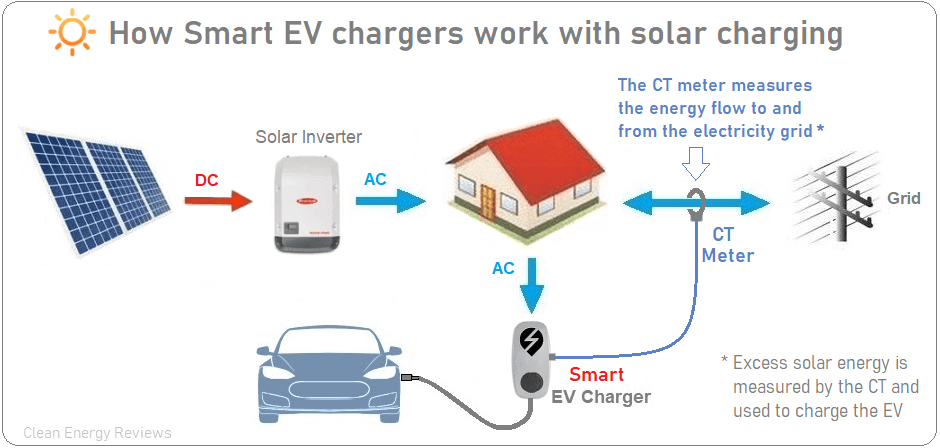
Credit: www.cleanenergyreviews.info
Common Challenges And Solutions
Using solar panels to charge an electric vehicle (EV) can be very efficient. Still, some challenges may arise during setup and use. These challenges can affect how many panels you need and how well they work. Understanding these problems helps find good solutions. This section covers common challenges and practical tips to manage them.
Weather And Seasonal Variations
Solar panels depend on sunlight. Clouds, rain, and snow reduce energy production. Winter days are shorter with less sun. This lowers the charging speed for your EV. Panels also work less well in extreme heat. Adjusting the number of panels can help. Adding more panels covers energy losses in bad weather.
Using a solar battery can store extra energy. This keeps charging your EV when the sun is low. Tracking systems that follow the sun improve efficiency too.
Space Limitations
Not everyone has a large roof or yard for many panels. Small spaces limit the total energy you can produce. This means fewer panels and slower EV charging. Choosing high-efficiency panels helps get more power in less space. Panels with a compact design work well in tight spots.
Another option is installing panels on walls or carports. Careful planning of panel placement maximizes space use. Combining solar power with grid electricity can also fill energy gaps.
Maintenance Tips
Solar panels need basic care to keep working well. Dirt, leaves, and dust can block sunlight. Cleaning panels regularly improves energy output. Check for damage or loose wires often. Doing this prevents power loss and costly repairs.
Trim nearby trees to avoid shading. Use mild soap and water for cleaning. Avoid harsh chemicals that can harm panels. Scheduling yearly professional inspections adds safety and efficiency.
Future Trends In Solar Ev Charging
The future of solar EV charging is bright and full of innovation. New technologies will change how we charge electric vehicles using solar power. These trends will make solar charging faster, smarter, and more connected. They will help reduce costs and increase efficiency for EV owners. Understanding these trends can help you prepare for a cleaner, greener future.
Advances In Solar Technology
Solar panels are becoming more efficient and affordable. New materials capture more sunlight even on cloudy days. Flexible and lightweight panels allow easier installation on roofs and cars. These improvements will reduce the number of panels needed to charge an EV. Solar energy will become more accessible for everyday use.
Smart Charging Systems
Smart chargers communicate with your vehicle and the solar panels. They adjust the charging speed based on sunlight and battery status. This saves energy and protects the car battery. Smart systems can schedule charging during peak solar hours. They also help manage electricity use to lower costs.
Grid Integration And Vehicle-to-grid
Solar EV chargers will connect better with the electricity grid. Vehicle-to-Grid (V2G) technology allows EVs to send power back to the grid. This helps balance energy supply and demand. During high solar production, EVs can store extra energy. At night, they can supply energy back to homes or the grid. This makes solar charging more flexible and reliable.
)
Credit: www.energysage.com
Frequently Asked Questions
How Many Solar Panels Charge An Ev Daily?
An average EV needs about 30 kWh daily. A 300-watt solar panel produces roughly 1. 2 kWh per day. So, around 25 solar panels are needed.
What Affects The Number Of Solar Panels For Ev Charging?
Sunlight hours and panel efficiency change the number needed. EV battery size and daily driving distance also matter.
Can A Small Solar System Fully Charge An Ev?
Small systems may charge the EV slowly or partially. For full daily charging, a larger system with more panels is best.
How Long Do Solar Panels Take To Charge An Ev?
Charging time depends on panel count and sunlight. With 20-30 panels, it may take a full day of sun.
Is It Cheaper To Charge Ev With Solar Panels?
Solar energy cuts electricity costs for EV charging. Initial setup costs are higher but save money over time.
Conclusion
Calculating the right number of solar panels is key for EV charging. It depends on your car’s battery size and daily driving distance. Sunlight hours and panel efficiency also affect the total needed. Adding a few extra panels can cover cloudy days.
This helps keep your EV charged and ready. Solar power saves money and reduces pollution. Start with a clear plan, and adjust as needed. Solar panels and EVs work well together for clean energy. Simple steps lead to smarter, greener driving.