
If you use lithium-ion batteries in your devices, you need to know about the Lithium Ion Battery Protection Circuit Module. This small but powerful component keeps your battery safe from damage, overcharging, and overheating.
Without it, your battery’s life could be shorter, or worse, it could become dangerous. You’ll discover how this module works and why it’s essential for your battery’s health and your safety. Keep reading to protect your investments and get the most out of your battery-powered devices.
Basics Of Lithium Ion Batteries
Lithium ion batteries power many devices today. They store energy in a small, light package. Understanding their basics helps in using them safely and effectively.
Battery Composition And Chemistry
Lithium ion batteries have three main parts. The anode, cathode, and electrolyte work together to store energy. The anode is usually made of carbon. The cathode contains lithium metal oxides. The electrolyte allows lithium ions to move between the two.
This movement creates the electric current that powers devices. The chemical reaction inside is reversible. This means the battery can be charged and used many times.
Common Uses And Applications
These batteries are in many everyday items. Smartphones, laptops, and tablets rely on them. Electric cars use large lithium ion batteries for power. Even some power tools and cameras use them.
Their light weight and high energy make them popular. They last longer and charge faster than many other batteries. This makes them a top choice for portable electronics.
Credit: www.epectec.com
Role Of Protection Circuit Modules
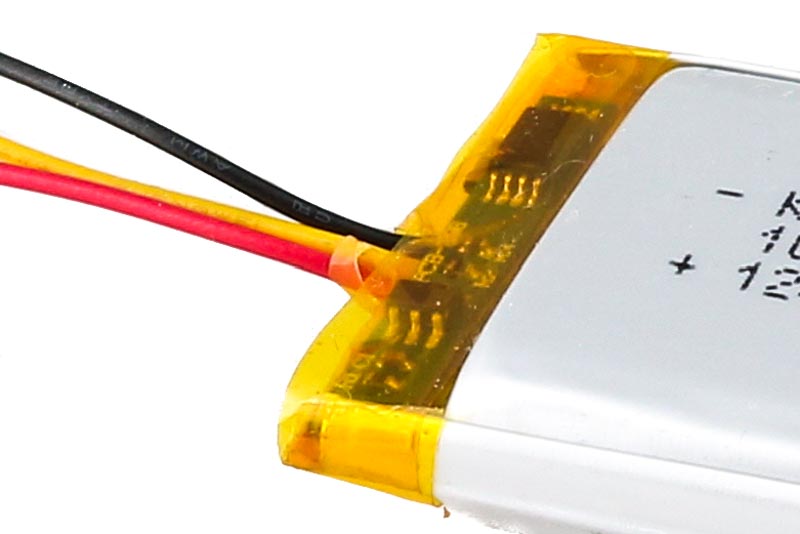
The protection circuit module plays a key role in lithium-ion batteries. It keeps the battery safe during charging and use. Without it, batteries can get damaged or even cause hazards. The module controls many safety functions to keep the battery working well and lasting longer.
Preventing Overcharge And Overdischarge
The module stops the battery from charging too much. Overcharging can harm the battery cells and reduce battery life. It also prevents the battery from overdischarging. Overdischarge can cause the battery voltage to drop too low. This can make the battery unstable and unsafe to use.
Short Circuit And Overcurrent Protection
The protection module detects short circuits in the battery system. A short circuit can cause a sudden surge of current. This surge can damage the battery and connected devices. The module cuts off the current flow to prevent harm. It also stops overcurrent, which is when too much current flows for a long time.
Temperature Monitoring
The module checks the battery temperature continuously. Lithium-ion batteries can get very hot during use or charging. High temperature can damage the battery and cause safety risks. The module stops charging or discharging if the battery gets too hot. It helps keep the battery safe and stable.
Key Components In Protection Modules
The Lithium Ion Battery Protection Circuit Module keeps batteries safe and healthy. It stops problems like overcharging, over-discharging, and short circuits. This module has key parts that work together to protect the battery and extend its life.
Each part has a special role. They detect electrical changes and control the flow of power. This helps the battery work safely under different conditions.
Mosfets And Their Function
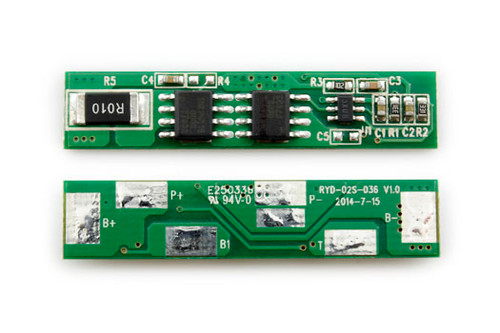
MOSFETs act as switches in the protection circuit. They control the flow of electricity to the battery. When a problem occurs, MOSFETs quickly turn off the current. This stops damage and keeps the battery safe.
Voltage Detection Chips
Voltage detection chips monitor the battery’s voltage level. They check if the voltage is too high or too low. If the voltage goes beyond safe limits, these chips signal the MOSFETs. The circuit then cuts off the power to protect the battery.
Thermistors And Temperature Sensors
Thermistors and temperature sensors track the battery’s heat. Batteries can get hot during use or charging. These sensors send temperature data to the circuit. If the battery gets too hot, the circuit stops charging to prevent damage or fire.
Types Of Protection Circuit Modules
Protection Circuit Modules (PCMs) play a vital role in keeping lithium-ion batteries safe. Different types of PCMs offer various levels of protection and features. Choosing the right type depends on the battery’s use and the needed safety level.
Basic Pcm Designs
Basic PCMs provide essential safety functions. They protect against overcharge, over-discharge, and short circuits. These modules use simple circuits to monitor voltage and current. They cut off power if any unsafe condition occurs. Basic PCMs are cost-effective and widely used in small batteries.
Smart Pcm With Communication Features
Smart PCMs add communication functions to basic protection. They can send data about battery status to other devices. This feature helps in better battery management and monitoring. Smart PCMs often include temperature sensors. They improve safety by giving real-time updates and alerts.
Integrated Pcm Solutions
Integrated PCMs combine protection with battery management in one unit. They control charging, discharging, and cell balancing. These modules optimize battery life and performance. Integrated solutions are common in electric vehicles and large battery packs. They offer advanced protection with fewer components.
Choosing The Right Protection Module
Choosing the right lithium ion battery protection circuit module is very important. It keeps your battery safe from damage and extends its life. Not all protection modules work with every battery. Picking the correct one needs careful thought.
Several factors affect the choice. These include the voltage, current, and battery type. Also, the quality of the module matters a lot. Understanding these points helps you select the best protection module.
Matching Voltage And Current Ratings
Voltage and current ratings must match your battery. The module’s voltage rating should be equal or slightly higher. Too low voltage can cause failure. The current rating shows the maximum current the module can handle. It must be higher than your battery’s max current. This ensures safe operation and avoids damage.
Compatibility With Battery Packs
Different battery packs have different designs. Some use single cells, others use multiple cells in series or parallel. The protection module must fit the battery pack type. Check if the module supports your battery’s configuration. Incompatible modules can cause poor performance or failure.
Quality And Certification Checks
Quality is very important for safety and reliability. Look for modules made by trusted brands. Check for certifications like CE, UL, or RoHS. Certified modules meet safety standards. Avoid cheap, uncertified modules. They may not protect the battery properly and can be dangerous.
Credit: www.szaspower.com
Installation And Wiring Tips
Installing and wiring a Lithium Ion Battery Protection Circuit Module requires care and attention. Proper steps ensure safety and long battery life. Follow these simple tips for a smooth setup.
Safe Handling Practices
Always wear insulated gloves during installation. Avoid touching battery terminals with bare hands. Work in a dry and clean area. Keep metal tools away from the battery. Store the module away from heat sources. Handle the battery gently to prevent damage.
Correct Connection Methods
Match the positive and negative terminals correctly. Use the right wire size for connections. Secure all wires tightly to avoid loose contacts. Connect the protection circuit to the battery before powering devices. Double-check polarity before powering on. Avoid crossing wires to prevent short circuits.
Testing After Installation
Measure voltage across the battery terminals first. Check the protection circuit’s response to overcharge and discharge. Use a multimeter to verify all connections. Test the battery under load to confirm stability. Watch for unusual heat or smell. Stop immediately if you detect any issues.
Common Issues And Troubleshooting
Lithium Ion Battery Protection Circuit Modules (PCM) are vital for battery safety and performance. They prevent overcharging, deep discharge, and short circuits. Despite their importance, PCMs can face common problems that affect battery life and function.
Understanding these issues helps you spot problems early. It also guides you in troubleshooting and deciding the right action to take. This section covers typical PCM problems and steps to fix or replace them.
Pcm Failure Signs
One clear sign is the battery not charging fully. The device may shut down quickly even with a full charge. Swelling of the battery pack also indicates PCM trouble. Another sign is overheating during charging or use. Inconsistent voltage readings can mean PCM errors. These signs warn of protection failure and risk to the battery.
Resetting And Repair Options
Some PCMs have a reset feature to clear faults. This can restore normal function if the problem is minor. Disconnect the battery and wait a few minutes to reset. Check for any visible damage or loose connections. Repairing may involve replacing damaged components like resistors. Use a multimeter to test circuit parts for faults. Only attempt repairs if you have basic electronics knowledge.
When To Replace The Module
Replace the PCM if resets or repairs fail. Persistent charging issues or repeated shutdowns signal replacement need. Physical damage or corrosion on the module means replacement. A new PCM ensures better battery safety and performance. Using a faulty PCM risks battery damage or fire. Always choose a PCM compatible with your battery pack.
Advancements In Battery Protection
Battery protection technology has improved a lot in recent years. These advances keep lithium-ion batteries safer and last longer. Protection circuit modules now use smarter tools to watch battery health closely.
Safety has become a top priority. New systems prevent problems before they start. These updates help batteries work better in many devices, from phones to electric cars.
Smart Monitoring Technologies
Smart sensors track voltage, temperature, and current constantly. They send real-time data to control units. This quick feedback helps stop damage early. These systems detect overheating or overcharging fast. Smart monitoring reduces risks of battery failure and fire.
Integration With Battery Management Systems
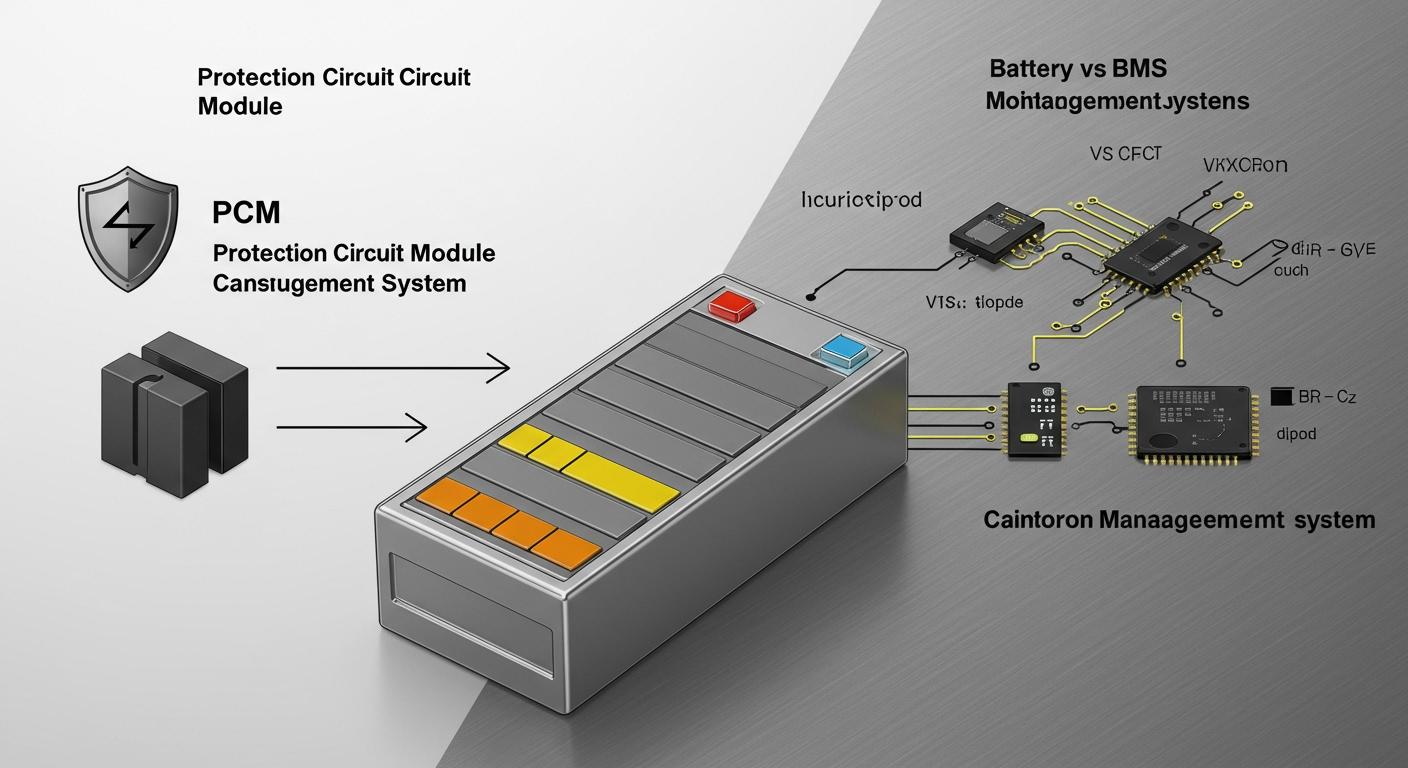
Protection modules now link directly with battery management systems (BMS). This connection improves communication between parts. The BMS controls charging and discharging with more accuracy. It balances battery cells to extend overall life. Integration ensures better control over battery safety.
Future Trends In Safety Features
New safety features will use artificial intelligence to predict problems. Self-healing circuits could fix minor faults automatically. Wireless monitoring might allow remote battery checks anytime. Future modules will focus on eco-friendly materials too. These trends aim to make batteries safer and greener.
Credit: power.tenergy.com
Frequently Asked Questions
What Is A Lithium Ion Battery Protection Circuit Module?
A protection circuit module keeps lithium-ion batteries safe during use. It stops overcharging, over-discharging, and short circuits. This helps extend battery life and prevent damage.
How Does A Protection Circuit Module Work?
It monitors voltage, current, and temperature of the battery. When values go beyond safe limits, it cuts off power. This prevents battery damage or safety hazards.
Why Is Protection Important For Lithium-ion Batteries?
Lithium-ion batteries can overheat or catch fire if misused. Protection modules stop dangerous situations by controlling battery functions. They make batteries safer and more reliable.
Can A Protection Circuit Module Improve Battery Lifespan?
Yes, it prevents overcharging and deep discharging, which harm batteries. Keeping batteries within safe limits helps them last longer. Protection modules ensure steady, safe charging and discharging.
Where Are Lithium-ion Battery Protection Modules Used?
They are in smartphones, laptops, electric vehicles, and power banks. Any device with lithium-ion batteries needs protection for safety. These modules are common in many battery-powered gadgets.
Conclusion
A lithium ion battery protection circuit module keeps batteries safe and working well. It stops overcharging, over-discharging, and short circuits. This helps batteries last longer and prevents damage. Using a good protection module is smart for any battery-powered device. It adds safety and improves battery performance.
Choose a reliable module for peace of mind. Safety matters most with lithium ion batteries. Protect your investment with the right circuit module.