
Have you ever wondered why electric cars use high voltage systems instead of the regular low voltage ones found in most vehicles? Understanding this can change the way you see electric cars and their performance.
High voltage is not just a technical detail—it’s the key to making electric cars faster, more efficient, and reliable. If you want to know how this powerful energy system works and why it matters for your next car, keep reading.
This article will break it down in simple terms, so you get the full picture without any confusion.
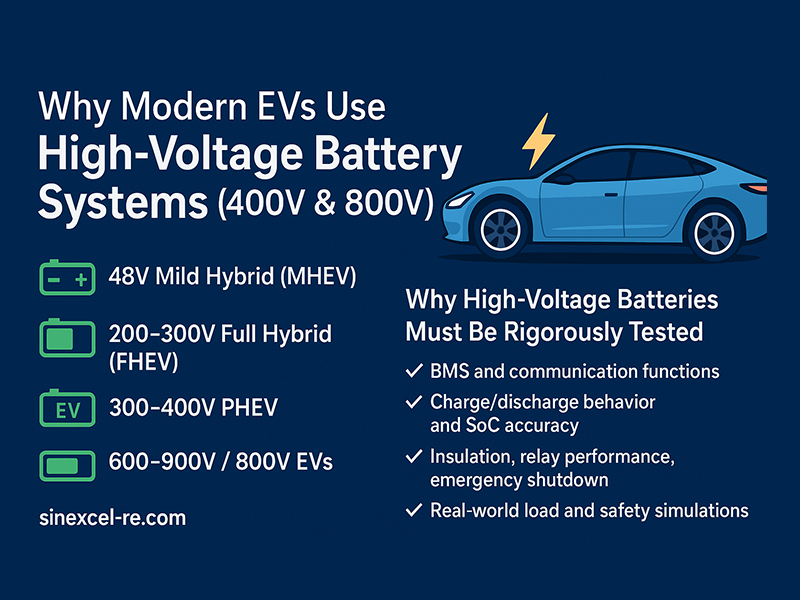
Credit: www.sinexcel-re.com
Benefits Of High Voltage Systems
High voltage systems play a key role in electric cars. They help improve how the car uses energy and performs. These systems bring many benefits that make electric cars better and more reliable.
Improved Energy Efficiency
High voltage allows electric cars to use energy more smartly. It helps the battery send power to the motor without wasting much energy. This means the car can travel farther on a single charge. Better energy use also lowers the need for frequent charging.
Reduced Power Loss
Power loss happens when electricity moves through wires. High voltage reduces this loss by cutting down the current needed. Less current means less heat and energy lost in the wires. This keeps more power for the car’s motor and improves overall efficiency.
Enhanced Performance
Electric cars with high voltage systems deliver stronger and faster power. The motors get enough energy to perform well under different conditions. This results in quicker acceleration and smoother driving. High voltage also supports advanced features like fast charging.
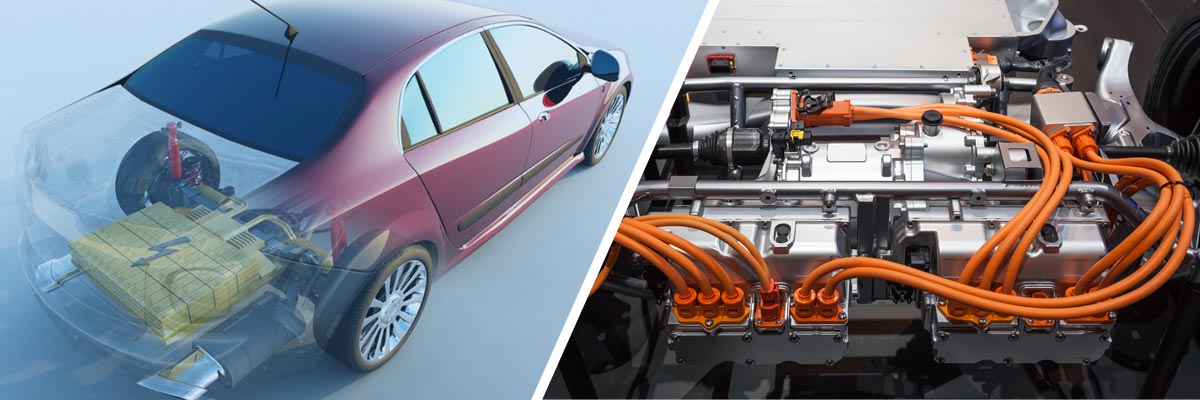
Credit: www.champcable.com
High Voltage And Battery Technology
Electric cars use high voltage to improve how batteries work. High voltage helps the battery store and deliver power more efficiently. This makes electric cars faster and more reliable on the road.
High voltage also helps with battery design and charging. It supports better performance and longer driving range. Understanding these points shows why high voltage is key in electric cars.
Battery Design And Voltage Levels
Electric car batteries have many cells connected in series. This connection raises the total voltage to hundreds of volts. Higher voltage means the battery can deliver more power with less current. Less current reduces heat and energy loss.
High voltage allows batteries to be smaller and lighter. This improves the car’s weight and space efficiency. It also helps the battery last longer and work safely.
Faster Charging Capabilities
High voltage helps electric cars charge faster. Charging stations use high voltage to push more energy into the battery quickly. This reduces the time needed to recharge the car.
With faster charging, drivers can spend less time waiting. It makes electric cars more practical for daily use and long trips. High voltage is a key factor in this quick recharge process.
Impact On Electric Motor Operation
Electric cars rely on high voltage to run their motors efficiently. This high voltage directly impacts how the electric motor works. It helps deliver more power and keeps the motor cool. Both are key to smooth and strong motor performance.
Power Delivery And Control
High voltage allows more power to reach the electric motor. This means the motor can spin faster and create more force. More power helps the car accelerate quickly and drive at higher speeds. It also allows better control of the motor’s speed. The car’s system can adjust power precisely to save energy and improve driving comfort.
Thermal Management
Electric motors produce heat during use. High voltage helps reduce the current needed for the same power. Lower current means less heat generated inside the motor. Less heat keeps the motor parts safe and prevents damage. It also helps maintain motor efficiency over longer drives. Good thermal management extends the motor’s life and keeps the car reliable.
Safety Measures For High Voltage
Electric cars use high voltage to power their motors efficiently. High voltage can be dangerous without proper safety steps. Manufacturers design these cars with strong safety features. These features protect passengers and technicians from electric shocks. Understanding these safety measures builds trust in electric vehicles.
Insulation And Protection
High voltage parts are covered with thick insulation. This prevents electric current from escaping. Insulation materials stop accidental contact with live wires. The car body also acts as a shield against electricity. Wiring is kept inside protective tubes and casings. This reduces the risk of damage or short circuits. Every connection is tested to meet strict safety rules.
Emergency Shutdown Systems
Electric cars have systems that cut power instantly in danger. Sensors detect faults like short circuits or crashes. These sensors trigger an emergency shutdown. The power supply to the high voltage system stops immediately. This lowers the risk of fire or electric shock. Drivers can also manually turn off the system. Emergency shutdown keeps everyone safe during accidents or repairs.
Comparing Low And High Voltage Evs
Electric vehicles (EVs) use different voltage levels in their systems. Some EVs operate at low voltage, while others use high voltage. Comparing these two types helps us understand why high voltage is often preferred in modern electric cars. This section explores the main differences in performance and cost between low and high voltage EVs.
Performance Differences
High voltage EVs deliver more power to the motor. This means faster acceleration and better top speeds. They also handle longer drives without losing efficiency. Low voltage EVs have less power, which can limit speed and range. High voltage systems reduce energy loss during driving. This improves battery life and overall vehicle performance.
Cost Implications
Low voltage EVs usually cost less to build. Their components are cheaper and simpler. High voltage EVs require special parts and safety measures. These add to the production cost. Despite this, high voltage EVs offer better value over time. They save money on energy and need fewer repairs. Buyers may pay more upfront but gain long-term benefits.

Credit: eepower.com
Future Trends In High Voltage Ev Systems
Electric vehicles (EVs) will use higher voltage systems in the future. Higher voltage means faster charging and better energy use. It also helps make cars lighter and more efficient. Engineers and scientists work hard to improve high voltage technology for EVs.
New trends focus on better materials and linking EVs with renewable energy. These changes will make EVs cheaper, safer, and more powerful. The future of high voltage EV systems looks bright and full of possibilities.
Advancements In Materials
New materials help EV systems handle higher voltages safely. These materials resist heat and reduce energy loss. Lightweight materials make cars more efficient. Scientists develop better insulation and wiring for high voltage use. These changes improve battery life and vehicle performance.
Integration With Renewable Energy
High voltage EV systems will connect more with solar and wind power. This helps reduce pollution and save energy. Cars can store power from renewable sources for later use. Charging stations will use clean energy more often. This makes EVs greener and more eco-friendly.
Frequently Asked Questions
Why Do Electric Cars Need High Voltage Batteries?
Electric cars use high voltage batteries to deliver more power efficiently. Higher voltage means less energy loss and better performance. It also helps cars run longer on a single charge.
How Does High Voltage Improve Electric Car Efficiency?
High voltage reduces the current needed to power the car, cutting energy loss as heat. This makes the car’s motor and systems work better. It also helps in faster charging of the battery.
Is High Voltage Safe In Electric Cars?
Yes, electric cars are designed with safety features to handle high voltage. Insulation and automatic shut-offs protect drivers from electric shocks. The systems meet strict safety standards worldwide.
Can High Voltage Affect Electric Car Charging Time?
Higher voltage allows faster charging by sending more power to the battery. This reduces the time needed to recharge the car. Many fast chargers use this principle to speed up charging.
What Role Does High Voltage Play In Electric Car Motors?
High voltage powers the electric motor more efficiently, giving better torque and speed. It helps the motor run smoothly and saves battery energy. This results in a better driving experience.
Conclusion
Electric cars use high voltage to run efficiently and save energy. High voltage helps power the motor with less heat loss. This means cars can drive longer on a single charge. It also allows faster charging times. Safety measures keep drivers protected from high voltage risks.
Understanding this helps appreciate why electric cars perform so well. High voltage is key to the future of clean transportation. Simple and smart.