
Are you curious about how far you can really go with a Tesla Model 3 on a single charge? Understanding the battery range is key to planning your trips and getting the most out of your electric car.
Whether you’re considering buying a Model 3 or already own one, knowing what affects its range can save you time and stress. You’ll discover everything you need to know about the Tesla Model 3 battery range—so you can drive with confidence and enjoy every mile.
Keep reading to find out how to maximize your car’s performance and avoid unexpected stops.

Credit: insideevs.com
Tesla Model 3 Battery Basics
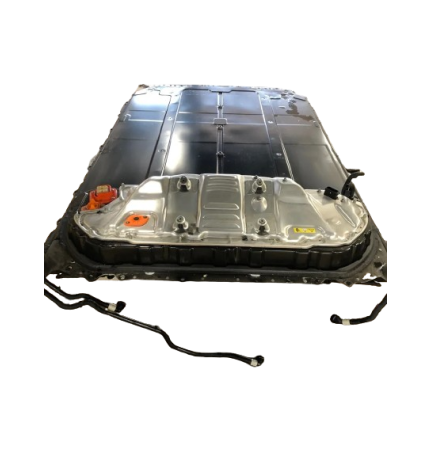
The Tesla Model 3 battery is key to its strong performance and long driving range. Understanding the battery basics helps you know what makes this electric car efficient. The battery stores energy to power the motor and gives the Model 3 its impressive range. It uses advanced technology to deliver power safely and reliably.
Different battery types and capacities affect how far the car can drive on a single charge. Tesla offers several versions of the Model 3, each with a unique battery setup. These differences impact driving distance, charging time, and overall experience.
Battery Types And Capacities
The Model 3 mainly uses lithium-ion batteries. These batteries are light and store a lot of energy. Tesla designs its own battery cells to improve efficiency and lifespan. The battery pack is made of many small cells grouped together.
Battery capacity is measured in kilowatt-hours (kWh). A higher kWh means more stored energy and longer driving range. Tesla offers Model 3 batteries from about 50 kWh to over 80 kWh. Larger capacity batteries take more time to charge but allow longer trips.
Range Variants Explained
The Model 3 comes in different range options. Standard Range has the smallest battery and shortest distance on one charge. Long Range versions use bigger batteries for more miles. Performance models combine large batteries with powerful motors.
Range depends on battery size and driving conditions. City driving usually uses less energy than highway driving. Tesla’s software helps manage battery use to maximize distance. Drivers can expect from around 250 to 350 miles per charge based on the variant.

Credit: www.getamber.com
Factors Affecting Battery Range
The Tesla Model 3 battery range depends on many factors. Understanding these helps drivers plan trips better. It also helps to avoid running out of charge unexpectedly.
Some factors are easy to control. Others depend on the environment or road. Each factor changes how far the car can travel on one charge.
Driving Habits And Speed
Driving fast uses more battery power. Sudden stops and quick starts reduce battery life. Smooth and steady driving saves energy.
Using cruise control on highways helps keep speed steady. Avoiding rapid acceleration extends the driving range. Gentle braking also conserves battery power.
Weather And Temperature Impact
Cold weather lowers battery efficiency. The car uses more energy to keep warm. Hot weather can also reduce battery range.
Running the heater or air conditioner drains the battery faster. Parking in a garage can protect the battery from extreme temperatures. Pre-conditioning the car while charging helps save energy during trips.
Terrain And Road Conditions
Hills and mountains require more battery power to climb. Driving on flat roads uses less energy. Rough or gravel roads increase resistance and battery use.
Strong winds can push against the car, reducing range. Smooth, paved roads help the Model 3 drive farther on one charge.
Charging Strategies For Longer Range
Extending the Tesla Model 3 battery range starts with smart charging habits. Proper charging helps keep the battery healthy and ready for longer trips. This section covers simple strategies to get the most from your battery.
Optimal Charging Practices
Charge your Model 3 regularly but avoid letting the battery drain fully. Keep the charge level between 20% and 80% for daily use. This range helps maintain battery life and performance. Avoid charging to 100% unless needed for long drives. Also, try not to leave the car plugged in at full charge for long periods.
Using Superchargers Efficiently
Superchargers provide fast charging on the road. Use them for quick top-ups rather than full charges. Charging slows down after 80%, so stopping early saves time. Plan stops to let the battery cool before charging. Cooler batteries charge faster and safer at Superchargers.
Home Charging Tips
Set up a home charger for convenience and cost savings. Use a Level 2 charger for faster charging times. Charge overnight to start each day with a full battery. Keep the charging area dry and well-ventilated. Check cables and connectors regularly for safety and efficiency.
Maintenance Tips To Preserve Battery Health
Keeping your Tesla Model 3 battery healthy helps you drive longer and saves money. A well-maintained battery lasts longer and works better. Here are some simple tips to keep your battery in good shape.
Regular Software Updates
Tesla often releases software updates to improve battery performance. These updates fix bugs and improve energy use. Always install updates as soon as they are available. Updates help your battery stay efficient and last longer.
Battery Cooling And Heating
The battery works best at the right temperature. Tesla has a system to cool or heat the battery automatically. Avoid parking your car in very hot or cold places for long times. This helps prevent battery damage and keeps range stable.
Avoiding Deep Discharges
Try not to use all your battery charge at once. Deep discharges can reduce battery life. Charge your Model 3 before it drops too low. Keeping the battery between 20% and 80% helps maintain its health over time.
Driving Techniques To Extend Mileage
Extending the battery range of your Tesla Model 3 depends a lot on how you drive. Small changes in driving habits can help you get more miles per charge. Efficient driving keeps the battery healthy and saves energy.
Here are some driving techniques to help you stretch your Tesla Model 3’s battery range.
Smooth Acceleration And Braking
Start and stop slowly. Avoid quick acceleration and hard braking. Smooth driving uses less energy. It keeps the battery from draining fast. Gentle changes in speed help the car run longer on a single charge.
Using Regenerative Braking
Regenerative braking recovers energy when you slow down. Use this feature by easing off the accelerator early. The car will convert motion into battery power. This process saves energy and increases the driving range.
Speed Management
Driving at high speeds uses more battery power. Keep your speed steady and moderate. Avoid fast driving and sudden bursts of speed. Lower speeds reduce air resistance and save energy. This simple step can add miles to your trip.
Tech Features That Boost Range
The Tesla Model 3 includes smart tech to help save battery power. These features help drivers get more miles from each charge. Understanding these tools can improve your driving experience.
Energy Consumption Display
The Energy Consumption Display shows how much power your car uses. It tracks energy use in real time. Drivers see which actions use more battery. This helps to adjust driving style. You can slow down or drive smoothly to save energy.
Range Mode And Climate Controls
Range Mode limits energy use for heating and cooling. It adjusts the climate system to use less power. This means the car uses battery only for comfort when needed. You can keep your car warm or cool without wasting energy. This feature helps extend the driving range on cold or hot days.
Tire Pressure Monitoring
Proper tire pressure is key for better range. The Model 3 checks tire pressure all the time. Low pressure causes more drag and uses more battery. The system alerts you if pressure drops. Keeping tires inflated improves efficiency and safety. It’s a simple way to boost your car’s range.
Planning Trips For Maximum Efficiency
Planning trips with a Tesla Model 3 requires smart steps to save battery and avoid delays. Careful planning helps you drive longer and reach your destination on time. Small choices make a big difference in battery use and trip comfort.
Focus on the route, charging stops, and weather. These factors affect your car’s battery range and overall trip efficiency. Let’s explore how to plan trips for maximum efficiency with a Tesla Model 3.
Route Optimization
Choose the shortest and fastest roads to save battery power. Avoid routes with heavy traffic or many stops. Use navigation tools that show energy use for different roads. Smooth driving on flat roads uses less battery than steep hills.
Charging Stop Planning
Plan charging stops before you run low on battery. Use Tesla’s Supercharger network for quick charging. Check charger locations on your route and their availability. Schedule stops every 100 to 150 miles for a stress-free trip.
Weather Considerations
Cold and hot weather can reduce battery range. Use climate control wisely to keep the car comfortable and save power. Check weather forecasts and plan your trip to avoid extreme temperatures. Drive carefully in bad weather to keep battery life steady.
Credit: evshop.eu
Frequently Asked Questions
What Is The Tesla Model 3 Battery Range On A Full Charge?
The Tesla Model 3 can travel about 263 to 353 miles on a full charge. The exact range depends on the specific model and battery size.
How Does Weather Affect Tesla Model 3 Battery Range?
Cold weather can reduce the battery range by up to 30%. Hot weather also lowers range but usually less than cold.
How Long Does It Take To Charge The Tesla Model 3 Battery?
Using a fast charger, it takes around 30 minutes to charge up to 80%. Home charging with a regular outlet can take 8 to 12 hours.
Can Driving Habits Change The Tesla Model 3 Battery Range?
Yes, aggressive driving like speeding or quick acceleration lowers the range. Smooth driving and steady speeds help save battery power.
What Factors Influence Tesla Model 3 Battery Life And Range?
Battery age, road conditions, temperature, and use of climate control affect range. Proper maintenance and charging habits can keep the battery healthy.
Conclusion
The Tesla Model 3 offers a strong battery range for daily drives. It suits both city trips and longer journeys. Charging stations are growing, making travel easier. Battery efficiency helps save money on fuel. This car balances power and distance well.
Choosing Model 3 means fewer stops to recharge. Overall, its battery range fits many needs. A practical choice for those wanting electric travel.