
Are you curious about the future of battery technology and how it could change the way you use your devices? Solid state battery energy density is a game-changer that promises longer-lasting power in smaller, safer packages.
Imagine your phone, laptop, or electric car running much longer without needing a recharge. This article will break down what solid state battery energy density means for you and why it matters more than ever. Keep reading to discover how this technology could transform your everyday life.
Basics Of Solid State Batteries
Solid state batteries are a new type of battery technology. They offer better energy storage and safety. These batteries use solid materials instead of liquid or gel electrolytes. This change improves how much energy the battery can hold and how long it lasts. Understanding the basics helps to see why they are important for future devices and vehicles.
Key Components
Solid state batteries have three main parts. The first is the anode, which stores and releases electrons. The second is the cathode, which collects electrons during discharge. The third is the solid electrolyte, which moves ions between the anode and cathode. This solid electrolyte replaces the liquid used in traditional batteries. It is safer and less likely to leak or catch fire.
How They Differ From Traditional Batteries
Traditional batteries use liquid or gel electrolytes. These liquids can leak and are flammable. Solid state batteries use a solid electrolyte, making them safer. They also hold more energy in the same space. This means longer battery life and smaller battery size. Solid state batteries charge faster and last through more cycles. These differences make them attractive for electric cars and portable devices.
Energy Density Explained
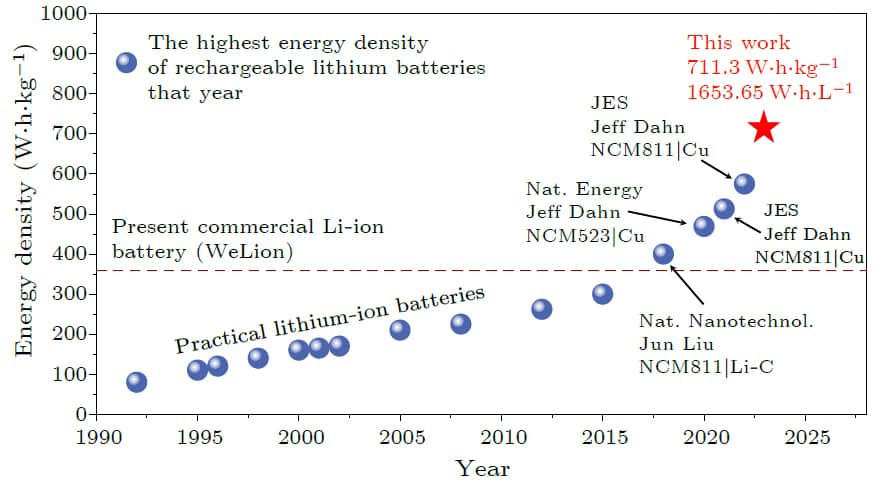
Energy density is a key measure for any battery. It tells us how much energy a battery can hold in a certain space or weight. Higher energy density means a battery can store more power without growing larger or heavier.
This feature is crucial for many uses. From electric cars to smartphones, better energy density means longer use and less charging. Solid state batteries show promise in improving this aspect significantly.
Importance In Battery Technology
Energy density affects battery size and weight. Devices need batteries that last longer but stay light. Solid state batteries offer higher energy density than traditional ones. This means longer battery life in smaller, lighter packs.
For electric vehicles, this can mean more miles per charge. For gadgets, it means fewer charges and longer use. Energy density is a key factor driving new battery designs and improvements.
Measuring Energy Density
Energy density is measured in watt-hours per kilogram (Wh/kg) or per liter (Wh/L). These numbers show how much energy fits in a battery by weight or volume. Higher numbers mean more energy in less space or weight.
Scientists test batteries under set conditions to get accurate energy density values. Comparing these values helps to find better battery materials and designs. Solid state batteries often score higher in these tests than older types.
Advantages Of Solid State Battery Energy Density
Solid state batteries offer many benefits, especially in energy density. This means they can store more energy in a smaller space. Higher energy density improves battery performance in many devices. It also brings safety and durability advantages. These benefits make solid state batteries a strong choice for future technology.
Higher Capacity And Compactness
Solid state batteries hold more energy than traditional batteries. They use solid electrolytes instead of liquid ones. This change allows batteries to be smaller and lighter. Devices can run longer without increasing battery size. Compact batteries fit better in electronics and vehicles.
Enhanced Safety Features
Solid state batteries reduce the risk of leaks and fires. The solid electrolyte is less flammable than liquid electrolytes. This lowers chances of overheating and short circuits. These batteries are safer for everyday use and travel. Safety improvements protect users and devices alike.
Longer Lifespan
Solid state batteries last longer than regular lithium-ion batteries. They handle more charge cycles without losing capacity. This means fewer replacements over time. A longer lifespan saves money and reduces waste. Durability makes solid state batteries reliable for many uses.
Challenges In Achieving High Energy Density
Solid-state batteries hold promise for higher energy density than traditional batteries. Yet, reaching this goal involves many challenges. These challenges affect how much energy the battery can store safely and efficiently. Understanding these issues helps explain why progress is slow and complex.
Material Limitations
Solid-state batteries use solid electrolytes instead of liquid ones. Finding materials that conduct ions well and remain stable is tough. Many solid electrolytes have low ion conductivity. Some materials degrade quickly or react with electrodes. This limits battery life and energy capacity. Researchers must find materials that balance conductivity and stability.
Manufacturing Hurdles
Making solid-state batteries requires precise techniques. Solid electrolytes are often brittle and hard to handle. Creating thin, uniform layers is difficult. Small defects can cause short circuits or reduce performance. Scaling up production from lab to factory is a major problem. Consistency in quality is hard to maintain at large scale.
Cost Factors
Solid-state batteries are expensive to produce now. Rare materials and complex processes increase costs. Manufacturing equipment and quality control add to expenses. High costs limit commercial use and slow adoption. Reducing cost is essential for solid-state batteries to compete with lithium-ion batteries.
Impact On Electric Vehicles
Solid state battery energy density has a strong impact on electric vehicles. It changes how cars perform and how drivers experience them. The improvements in battery technology bring key benefits to EVs. These benefits affect driving range, charging times, and battery life.
Extended Driving Range
Higher energy density means batteries store more power. This lets electric vehicles travel longer distances on a single charge. Drivers can go farther without stopping to recharge. It reduces range anxiety and makes EVs more practical for daily use.
Faster Charging Times
Solid state batteries can handle higher charging speeds safely. This shortens the time needed to recharge the vehicle. Faster charging fits better into busy lifestyles. Drivers spend less time waiting and more time on the road.
Improved Battery Durability
These batteries last longer with less wear over time. They resist damage from heat and charging cycles better. This means fewer replacements and lower maintenance costs. Electric vehicles stay reliable for many years with solid state batteries.
Credit: physicsworld.com
Applications Beyond Automobiles
Solid state batteries offer higher energy density and safety than traditional batteries. Their benefits reach far beyond cars. Many fields can use these batteries to improve performance and durability. Let’s explore some key areas where solid state batteries make a big impact.
Consumer Electronics
Smaller devices need long-lasting power. Solid state batteries fit perfectly in smartphones, laptops, and wearables. They provide more charge in a lighter package. Users get longer usage without frequent charging. These batteries also reduce overheating risks, making devices safer.
Grid Storage Solutions
Energy storage is vital for renewable power sources. Solid state batteries help store solar and wind energy efficiently. They offer higher capacity and longer life than current options. This helps keep the power grid stable. It also supports clean energy use at a larger scale.
Aerospace And Defense
Weight and reliability are critical in aerospace and defense. Solid state batteries provide high energy in a compact form. They help power drones, satellites, and military equipment. Their safety reduces risks during extreme conditions. This boosts mission success and equipment lifespan.
Future Trends In Solid State Battery Development
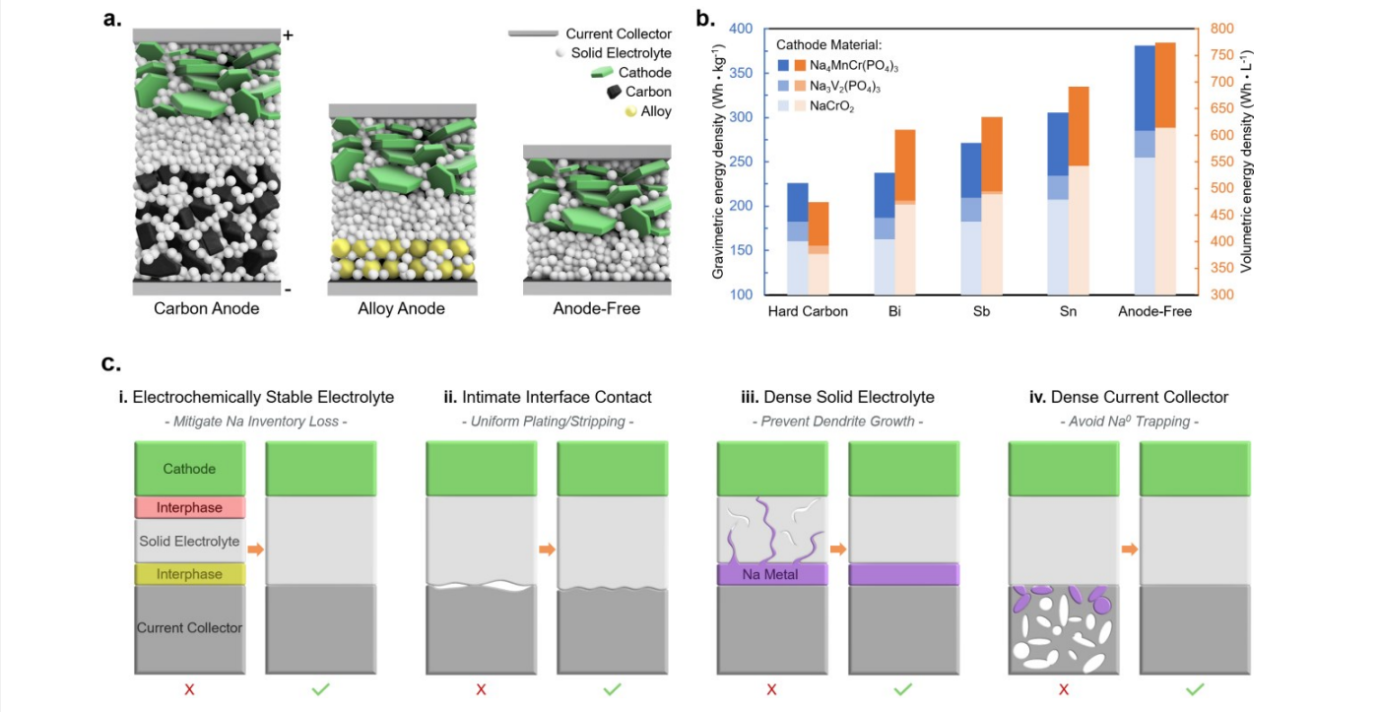
Solid state batteries show strong potential for future energy storage. Their energy density could surpass current lithium-ion batteries. Researchers focus on improving materials, production, and energy use. These trends shape the future of solid state battery development.
Innovative Materials
New materials can increase battery capacity and safety. Researchers explore solid electrolytes that conduct ions faster. Some materials reduce battery weight and size. These advances help create longer-lasting batteries for many uses.
Scaling Production
Producing solid state batteries on a large scale is challenging. Factories need new machines and processes. Reducing costs is important for wider use. Progress in manufacturing will make these batteries more common and affordable.
Integration With Renewable Energy
Solid state batteries can store energy from wind and solar power. They offer stable and efficient storage solutions. Better batteries help smooth out energy supply from renewables. This supports cleaner and more reliable electricity grids.
Credit: www.ess-news.com

Credit: www.sciencedirect.com
Frequently Asked Questions
What Is Solid State Battery Energy Density?
Solid state battery energy density means how much energy the battery can store in a small space. Higher energy density means longer use for devices or cars. It is a key factor for battery performance.
How Does Solid State Battery Energy Density Compare To Lithium-ion?
Solid state batteries usually have higher energy density than lithium-ion batteries. They store more energy in the same size. This makes them lighter and better for electric vehicles.
Why Is Energy Density Important In Solid State Batteries?
Energy density determines how long a battery can power a device or vehicle. Higher density means longer battery life and less charging. It also helps reduce battery size and weight.
What Limits Energy Density In Solid State Batteries?
Energy density is limited by the materials used in the battery’s electrodes and electrolyte. Solid electrolytes can restrict how much energy fits inside. Research is ongoing to improve these materials.
Can Solid State Batteries Improve Electric Vehicle Range?
Yes, higher energy density in solid state batteries can increase electric vehicle range. Cars can drive farther on a single charge. This is a big advantage over current batteries.
Conclusion
Solid state batteries offer higher energy density than traditional ones. They store more power in a smaller space. This makes devices last longer between charges. Safety also improves due to solid materials inside. Challenges remain in cost and large-scale production.
Research continues to find better materials and designs. These batteries could change electric cars and gadgets soon. The future looks bright for solid state technology. Keep watching this space for new updates.