
If you own or are thinking about buying an electric vehicle, understanding the battery management system (BMS) is key to getting the most out of your ride. The BMS is like the brain behind your car’s battery, keeping it safe, efficient, and long-lasting.
Without it, your electric vehicle wouldn’t perform as smoothly or reliably. You’ll discover what a battery management system is, why it matters to your vehicle’s health, and how it impacts your driving experience. Keep reading to learn how this hidden hero makes your electric journey possible.
Battery Management System Basics
The Battery Management System (BMS) is a key part of electric vehicles. It helps keep the battery safe and working well. The BMS controls how the battery charges and discharges. It also protects the battery from damage.
This system makes sure the battery lasts longer and performs better. It monitors the battery’s health and prevents problems like overheating or overcharging. Understanding the basics of a BMS helps you see why it is important for electric cars.
Core Functions
The BMS has several important jobs. It measures the battery’s voltage, current, and temperature. It balances the charge among the battery cells to keep them even. The system also protects the battery by stopping charging if it detects a fault. It tracks the battery’s state of charge (SOC) and state of health (SOH). These functions keep the battery safe and efficient.
Key Components
A BMS includes sensors to monitor voltage and temperature. It has a control unit that processes data and makes decisions. There are also communication modules to send information to the vehicle’s main computer. The system uses switches to connect or disconnect the battery as needed. These parts work together to keep the battery stable and safe.
Types Of Bms
BMS designs vary based on the vehicle and battery type. Centralized BMS uses one control unit for the whole battery pack. Distributed BMS places small controllers on each battery module. Modular BMS combines both methods for flexibility and accuracy. Each type offers different benefits in cost, complexity, and performance.
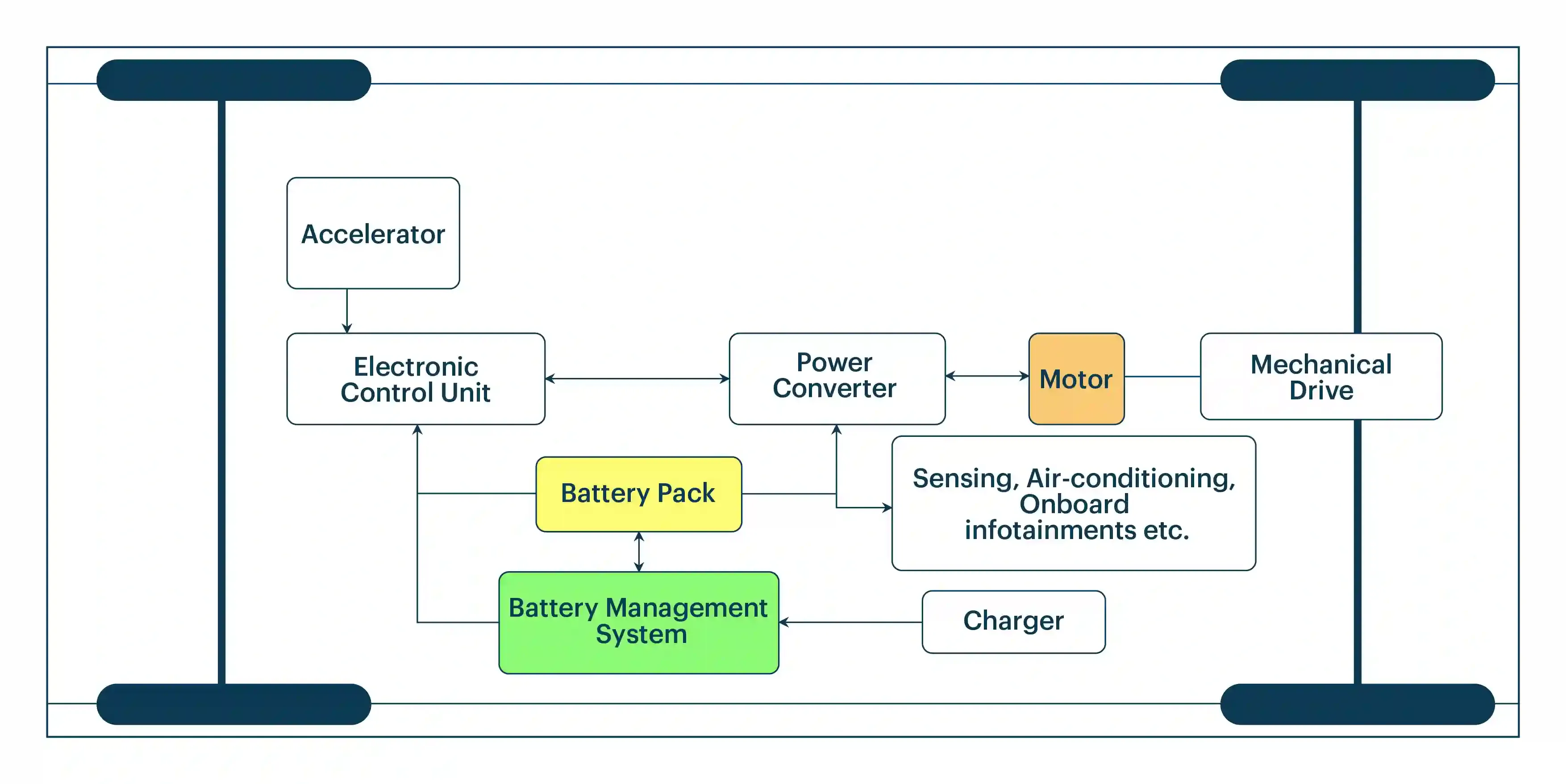
Credit: www.cavliwireless.com
Role In Electric Vehicles
The Battery Management System (BMS) plays a vital role in electric vehicles. It manages the battery pack to ensure safe and efficient operation. The BMS monitors voltage, temperature, and current in real time. It keeps the battery within safe limits to prevent damage and hazards.
Besides safety, the BMS optimizes battery performance. It balances the cells to deliver steady power. It also helps extend the battery’s life, making the vehicle more reliable.
Safety Enhancements
The BMS protects the battery from unsafe conditions. It detects overheating, overcharging, and deep discharging. The system can shut down the battery to avoid fires or explosions. It also alerts the vehicle and driver about potential risks. Safety is the BMS’s top priority in electric vehicles.
Performance Optimization
The BMS ensures each battery cell works efficiently. It balances cell charging to prevent weak spots. This balance improves power output and driving range. The system adjusts energy flow based on driving needs. It helps maintain smooth acceleration and energy use.
Battery Longevity
The BMS helps the battery last longer. It avoids extreme charging and discharging that wear out cells. The system controls temperature to prevent damage from heat. Regular monitoring allows early detection of battery issues. A well-managed battery saves money by reducing replacement costs.
Battery Monitoring Techniques
Battery monitoring techniques play a vital role in electric vehicles. They help keep the battery safe and working well. These techniques track different battery conditions in real time. They ensure the battery lasts longer and performs better. Understanding these methods gives insight into how electric vehicles manage power efficiently.
Voltage Measurement
Voltage measurement checks the electric potential of each battery cell. This data shows how much charge each cell holds. It helps detect weak or faulty cells early. Accurate voltage readings keep the battery balanced and healthy. This prevents sudden failures and extends battery life.
Temperature Sensing
Temperature sensing monitors the heat inside the battery pack. Batteries work best within a safe temperature range. Sensors detect overheating or cold conditions. This data triggers cooling or heating systems. It protects the battery from damage caused by extreme temperatures.
State Of Charge Estimation
State of Charge (SoC) estimation shows the remaining battery power. It tells drivers how much energy is left. SoC uses voltage, current, and temperature data to calculate charge. Accurate SoC helps prevent unexpected battery drain. It improves driving range and energy management.
State Of Health Assessment
State of Health (SoH) assessment measures battery aging and capacity loss. It compares current performance with the battery’s original state. SoH helps predict when a battery needs replacement. It keeps the electric vehicle reliable and safe over time.
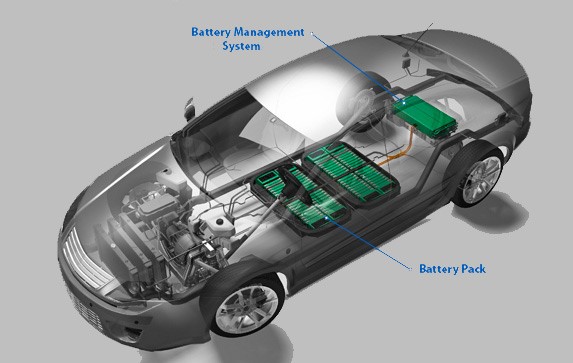
Credit: www.einfochips.com
Thermal Management In Bms
Thermal management in a Battery Management System (BMS) is vital for electric vehicles. It keeps the battery pack at a safe and efficient temperature. Batteries work best within a certain temperature range. Too hot or too cold can reduce battery life and performance. The BMS uses different methods to control heat and cold. This helps protect the battery and improve the vehicle’s range.
Cooling Methods
Cooling methods help lower battery temperature during use. Air cooling uses fans to blow air over the battery cells. It is simple and cost-effective but less efficient. Liquid cooling uses coolant pipes around the battery pack. It removes heat faster and keeps the temperature stable. Some systems use phase change materials to absorb heat. These methods prevent overheating and keep the battery safe.
Heating Strategies
Heating is important in cold weather to keep batteries active. The BMS can turn on electric heaters inside the battery pack. It warms the cells to the right temperature for charging and driving. Some systems use the battery’s own heat during use to warm cold cells. Heating helps maintain battery power and protects it from damage.
Thermal Runaway Prevention
Thermal runaway is a dangerous condition where the battery overheats uncontrollably. The BMS monitors temperature closely to detect early signs. It can reduce battery use or shut down the system if needed. Cooling systems activate quickly to stop temperature rise. Thermal runaway prevention protects the vehicle and passengers from fire risks.
Communication Protocols
Communication protocols are the backbone of Battery Management Systems (BMS) in electric vehicles. They enable different components to exchange information efficiently. Clear communication helps monitor battery health and optimize performance. These protocols ensure safety and reliability during vehicle operation.
Can Bus Integration
The Controller Area Network (CAN) bus is a popular protocol in electric vehicles. It connects the BMS to the vehicle’s central computer. The CAN bus allows fast, reliable data exchange across multiple components. It supports real-time monitoring of battery status and vehicle systems. This integration helps maintain battery efficiency and safety.
Data Transmission
Data transmission in BMS involves sending information about voltage, temperature, and charge levels. Protocols standardize this data for easy interpretation. Accurate data transmission prevents battery damage and extends battery life. It also supports energy management and performance tracking.
Diagnostics And Alerts
Communication protocols enable the BMS to send diagnostic information. They alert drivers and technicians about battery issues early. Alerts include warnings about overheating, low charge, or cell imbalance. Quick detection reduces risks and prevents costly repairs. Diagnostics keep the electric vehicle running smoothly and safely.
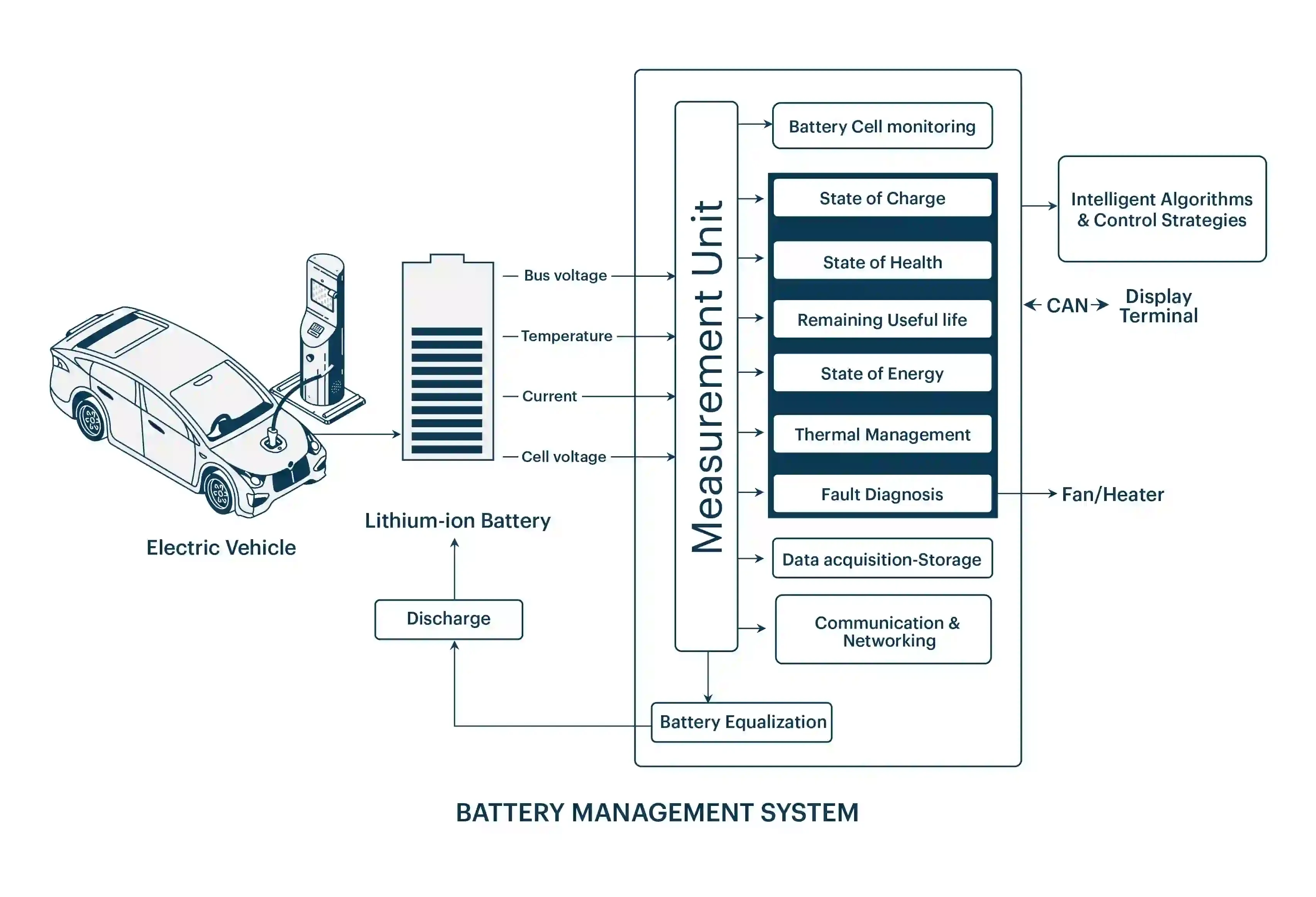
Credit: www.cavliwireless.com
Bms Challenges And Solutions
The Battery Management System (BMS) faces many challenges in electric vehicles. These challenges affect battery life, safety, and performance. Engineers work hard to solve these problems. Here are some key challenges and how solutions help improve the system.
Balancing Cell Voltages
Battery cells may have different voltages during use. This difference can cause problems and reduce battery life. The BMS balances cell voltages to keep them equal. It moves energy from high-voltage cells to low-voltage ones. This process protects the battery and helps it last longer.
Handling Battery Degradation
Batteries lose capacity over time. This is called degradation. The BMS tracks the battery’s health every day. It adjusts how the battery charges and discharges. This careful control slows down degradation. It keeps the battery working well for many years.
Software Updates And Calibration
The BMS uses software to manage battery functions. Software updates improve performance and fix bugs. Calibration adjusts the system to match the battery’s condition. Regular updates and calibration help the BMS stay accurate and safe. This keeps the electric vehicle reliable on the road.
Future Trends In Bms
The future of Battery Management Systems (BMS) in electric vehicles is full of exciting changes. These advances aim to make batteries safer, last longer, and perform better. New technologies will help manage energy more efficiently and reduce costs.
Innovations in software and hardware will shape how BMS works. These improvements will support the growing demand for electric vehicles worldwide. Here are some key trends to watch in BMS development.
Artificial Intelligence Integration
Artificial intelligence (AI) helps BMS learn from battery data. It predicts battery health and adjusts charging to extend battery life. AI also detects faults early, preventing failures and improving safety. Smarter BMS can adapt to different driving styles and conditions.
Wireless Bms
Wireless BMS removes the need for many wires inside the battery pack. This reduces weight and lowers production costs. Wireless systems simplify installation and maintenance. They also offer faster data transfer and better real-time monitoring.
Advanced Battery Chemistries
New battery chemistries require updated BMS designs. These chemistries provide higher energy density and faster charging. BMS must handle new safety challenges and performance limits. Future BMS will support solid-state and lithium-sulfur batteries, among others.
Frequently Asked Questions
What Is The Main Role Of A Battery Management System In Evs?
A Battery Management System (BMS) monitors and protects the battery pack. It ensures safe charging, discharging, and balances cell voltage. This helps extend battery life and improve vehicle safety.
How Does A Bms Improve Electric Vehicle Battery Life?
The BMS prevents overcharging and deep discharging, which damage batteries. It keeps cells balanced and within safe temperature limits. This careful management helps batteries last longer.
Why Is Battery Temperature Control Important In Evs?
Battery temperature affects performance and safety. The BMS monitors heat to prevent overheating or freezing. Proper temperature control keeps the battery efficient and safe.
Can A Bms Detect Battery Faults Or Issues?
Yes, the BMS continuously checks battery health and status. It alerts the system if any cell is faulty or out of range. Early detection prevents damage and ensures reliability.
How Does A Bms Contribute To Ev Safety?
The BMS controls current flow and voltage levels to avoid risks. It prevents short circuits, overheating, and overvoltage conditions. This protects both the battery and the vehicle occupants.
Conclusion
A Battery Management System keeps electric vehicle batteries safe and efficient. It checks battery health and controls charging. This helps extend battery life and improve car performance. Without a BMS, batteries can overheat or lose power quickly. Understanding BMS helps users trust electric vehicles more.
It plays a key role in making EVs reliable and long-lasting. Knowing how BMS works gives confidence in electric car technology. A good BMS supports a cleaner and greener future. Simple but essential for every electric vehicle.