
Traveling with lithium batteries can feel tricky and even risky if you don’t know the right way to pack them. You might worry about safety rules or whether your devices will make it through security without a hitch.
But don’t let confusion hold you back. In this guide, you’ll discover simple, clear steps to pack your lithium batteries safely for air travel. By the time you finish reading, you’ll have the confidence to protect your gear and fly worry-free.
Keep reading to learn exactly what you need to do—your next trip depends on it.
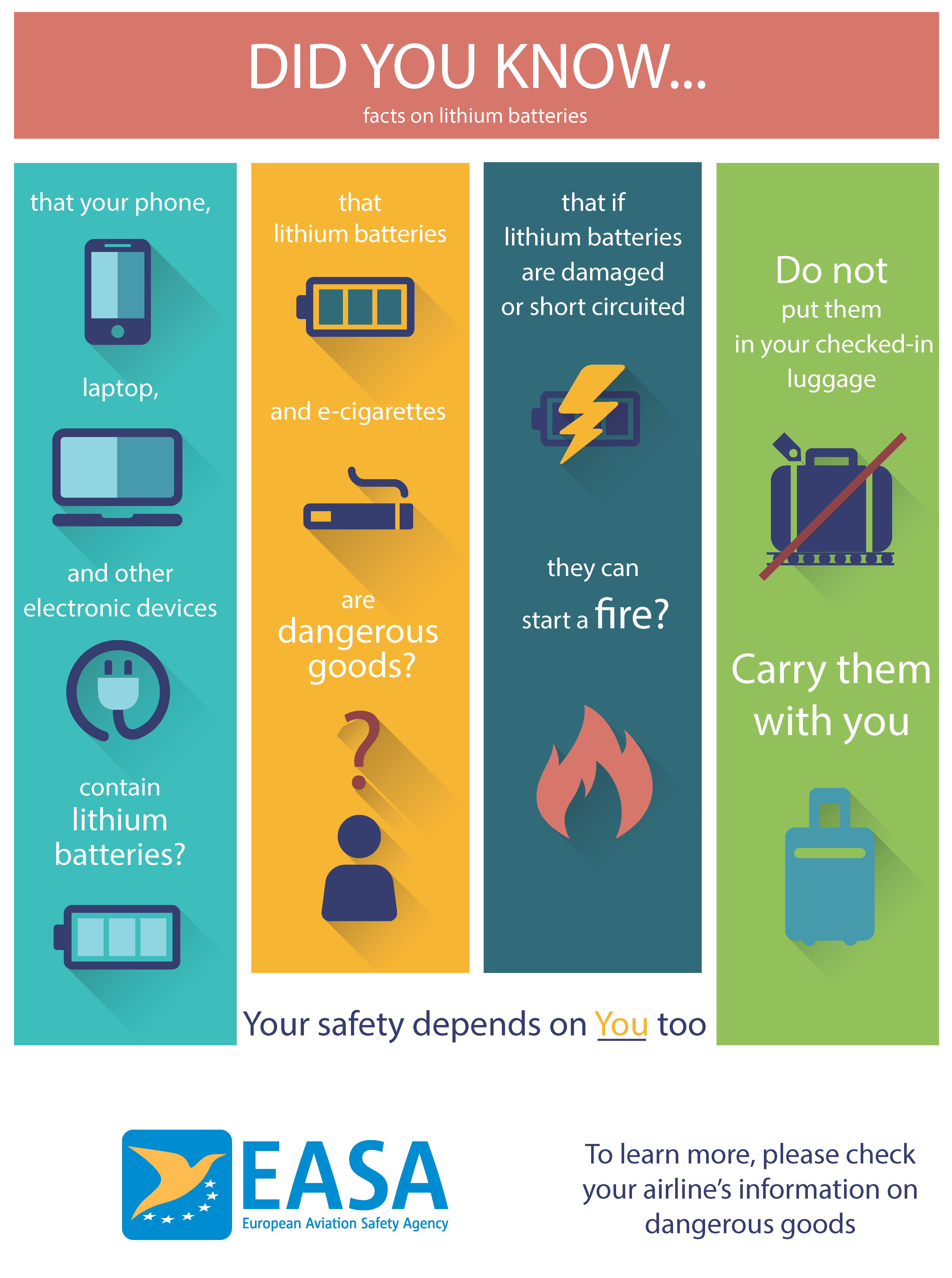
Credit: www.easa.europa.eu
Regulations For Lithium Batteries
Traveling with lithium batteries requires careful attention to rules. Airlines and safety groups set strict limits. These rules help prevent accidents during flights. Knowing them ensures smooth and safe travel.
Airline Rules And Limits
Each airline sets its own rules for lithium batteries. Most allow batteries in carry-on bags only. Larger batteries may need airline approval before flying. Airlines also limit battery size by watt-hours (Wh). Carry extra batteries in original packaging. Avoid packing batteries in checked luggage.
Icao And Iata Guidelines
The International Civil Aviation Organization (ICAO) sets global safety standards. The International Air Transport Association (IATA) follows these rules. Both organizations regulate battery size and quantity. They require batteries to be protected from short circuits. Batteries must be protected by tape or in separate bags. These rules apply to all airlines worldwide.
Battery Types And Classifications
Lithium batteries come in different types. Lithium-ion and lithium metal are common. Lithium-ion batteries power phones and laptops. Lithium metal batteries are often in cameras and watches. Each type has specific packaging rules. Knowing your battery type helps follow regulations correctly.
Preparing Batteries For Travel
Preparing lithium batteries for air travel is crucial for safety. Proper steps reduce risks and meet airline rules. This section explains how to get batteries ready before packing.
Check Battery Condition
Look closely at each battery. Make sure there are no cracks or damage. Damaged batteries can leak or catch fire. Remove any batteries that show signs of wear. Only carry batteries in good condition on the plane.
Charge Levels To Maintain
Keep batteries charged to about 30-50%. This level lowers the chance of overheating. Fully charged or empty batteries may cause problems during flights. Use a charger to reach the right charge before packing.
Insulate Battery Terminals
Cover battery terminals with tape or plastic caps. This stops short circuits caused by metal touching terminals. Make sure the tape is tight and covers all contacts. Proper insulation prevents sparks and keeps batteries safe in luggage.
Packing Methods
Packing lithium batteries for air travel needs care and attention. Proper methods reduce risks and keep your devices safe. Follow clear steps to pack batteries the right way. This helps you avoid damage and delays at the airport.
Here are simple packing methods to protect your lithium batteries during flights.
Use Original Packaging
Always use the original packaging for your lithium batteries. It is designed to protect the battery from shocks and short circuits. The packaging keeps terminals covered and separates each battery safely. If you lost the original box, use a plastic bag or a battery case. This prevents batteries from touching metal objects or other batteries.
Separate Batteries From Devices
Remove batteries from devices before packing. Loose batteries can cause sparks if they touch metal parts. Keep devices and batteries apart inside your carry-on bag. This reduces the chance of damage or fire. It also helps airport security check your items easily.
Avoid Loose Batteries
Never pack loose batteries without protection. Each battery needs to be insulated and secured. Use tape or battery covers to protect the terminals. Place each battery in a separate plastic bag or container. This stops them from moving and touching each other. Loose batteries increase the risk of short circuits and fire.

Credit: flightsafety.org
Carry-on Vs Checked Baggage
Packing lithium batteries for air travel needs careful thought. Choosing between carry-on and checked baggage matters a lot for safety. Airlines and regulators have strict rules about lithium batteries on planes. These rules aim to reduce fire risks and keep passengers safe.
Knowing the differences between carry-on and checked baggage rules helps travelers avoid problems. Some batteries are not allowed in checked bags. Others need special handling. Carry-on bags offer better control and quick action in emergencies.
Why Carry-on Is Safer
Carry-on bags stay with passengers during the flight. Crew can act fast if a battery overheats or catches fire. Passengers can spot signs of damage early. Checked bags are stored in cargo holds, far from people.
Fires in cargo areas are harder to detect and put out. Carry-on storage reduces fire risk because of constant supervision. Many airlines require lithium batteries to be carried on board. This rule protects everyone on the plane.
Banned Batteries In Checked Bags
Airlines ban certain lithium batteries from checked baggage. Large lithium-ion batteries with high watt-hours are often forbidden. Damaged or recalled batteries cannot go in checked bags either. Loose batteries must be in carry-on bags too.
These bans prevent possible fires out of reach in the cargo hold. Always check airline policies before packing batteries. Following these rules avoids delays and safety hazards. It also helps airport security screen bags quickly.
Tips For Carry-on Packing
Place batteries in original packaging or cover terminals with tape. This prevents short circuits and sparks. Keep batteries separate from metal objects or other batteries. Use a plastic bag or small container for storage.
Limit the number of spare batteries carried. Check the watt-hour rating allowed by the airline. Charge batteries partially instead of fully. Label batteries clearly if required by the airline.
These steps reduce fire risks and keep batteries safe. Carry-on packing with care means a smoother travel experience.
Handling Spare Batteries
Handling spare lithium batteries during air travel needs care and attention. Airlines and safety authorities have clear rules to keep flights safe. Following these rules avoids delays and risks. Learn how to pack and carry spare batteries correctly.
Limits On Quantity And Capacity
Most airlines allow only a few spare lithium batteries per passenger. Usually, the limit is around two to four batteries. Each battery must not exceed 100 watt-hours (Wh). Batteries between 100 Wh and 160 Wh need airline approval. Larger batteries are often banned. Check battery capacity before packing. Do not carry damaged or recalled batteries.
Proper Storage Techniques
Store spare batteries in your carry-on bag only. Avoid placing them in checked luggage. Keep battery terminals covered with tape or in separate plastic bags. This prevents short circuits during travel. Use original packaging or a battery case for extra protection. Never carry loose batteries in pockets or bags.
Declaration Requirements
Declare spare lithium batteries at the check-in counter if requested. Some airlines need approval for batteries over 100 Wh. Always inform staff about any large or unusual batteries. Carry proof of battery capacity if possible. Honest declaration helps avoid fines and delays.
Safety Precautions During Travel
Traveling with lithium batteries requires special care to ensure safety. These batteries can be dangerous if not handled properly during air travel. Taking simple safety steps helps prevent accidents and keeps you and others safe on the flight.
Avoiding Short Circuits
Short circuits can cause batteries to heat up or catch fire. Keep battery terminals covered with tape or in original packaging. Do not place loose batteries in your bag. Separate batteries from metal objects like keys or coins. Use battery cases or plastic bags for extra protection.
Monitoring For Overheating
Check batteries regularly for signs of heat or swelling. Avoid leaving batteries in hot places such as inside a car or direct sunlight. If a battery feels warm, remove it from devices and cool it down. Overheating batteries should not be used or charged until inspected.
Emergency Procedures
Know what to do if a battery catches fire. Use a fire extinguisher designed for electrical fires, not water. Alert the flight crew immediately if you notice smoke or unusual smells. Keep a safe distance and avoid touching the battery. Follow all airline instructions during an emergency.

Credit: vmedia.digital
Frequently Asked Questions
What Types Of Lithium Batteries Are Allowed On Planes?
Only lithium-ion and lithium metal batteries under certain limits are allowed. Batteries must meet airline and TSA rules. Check watt-hour (Wh) ratings and lithium content before travel.
How Should I Pack Lithium Batteries For Air Travel?
Keep batteries in original packaging or cover terminals with tape. Place batteries in carry-on luggage to reduce fire risk. Avoid loose or damaged batteries during packing.
Can I Carry Spare Lithium Batteries In Checked Baggage?
No, spare lithium batteries must be in carry-on bags only. Checked baggage can pose safety risks if batteries short circuit or catch fire. Follow airline-specific rules for battery limits.
What Is The Maximum Watt-hour Rating For Air Travel Batteries?
Most airlines allow lithium-ion batteries up to 100 watt-hours without approval. Batteries between 100-160 watt-hours need airline permission. Batteries over 160 watt-hours are generally banned on passenger planes.
Are Damaged Or Recalled Lithium Batteries Allowed On Flights?
Damaged or recalled lithium batteries are not allowed on any flight. They pose serious fire and safety hazards. Dispose of them properly before traveling to avoid issues.
Conclusion
Packing lithium batteries safely for air travel protects you and others. Follow airline rules closely and carry batteries in your carry-on luggage. Use original packaging or cover battery terminals to avoid short circuits. Keep batteries dry and avoid damage during packing.
Check battery capacity limits before you fly. Staying careful helps prevent accidents and delays. Safe packing means a smooth trip and peace of mind. Always prepare your batteries with care before heading to the airport. Safety first, every time you travel by air.