
Are you tired of waiting hours to charge your electric vehicle? Imagine plugging in your car and getting back on the road in just minutes.
Fast charging technologies for EV batteries are changing the game, making long waits a thing of the past. You’ll discover how these innovations work and what they mean for your driving experience. Get ready to learn how fast charging can save you time and keep your EV ready whenever you need it.
Keep reading to unlock the future of electric vehicle charging!
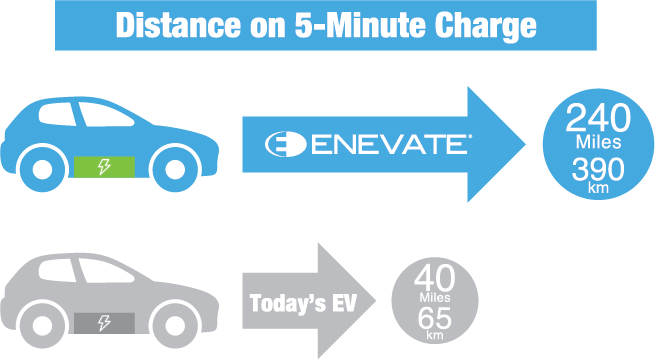
Credit: www.enevate.com
Evolution Of Ev Charging
The evolution of EV charging has been rapid and vital. It shapes how electric vehicles fit into daily life. Early methods were slow, causing long waits. The need for speed led to fast charging technologies. These developments help drivers recharge quickly and easily.
Early Charging Methods
Early electric cars used simple chargers. These chargers took many hours to fill the battery. Most charging happened at home using standard outlets. Public charging stations were rare and slow. This limited the distance people could travel by electric car.
Shift To Fast Charging
Fast charging technology started to improve in the 2010s. New chargers delivered higher power to batteries. Charging time dropped from hours to less than an hour. Networks of fast chargers began to appear in cities. This made electric cars more practical for long trips.
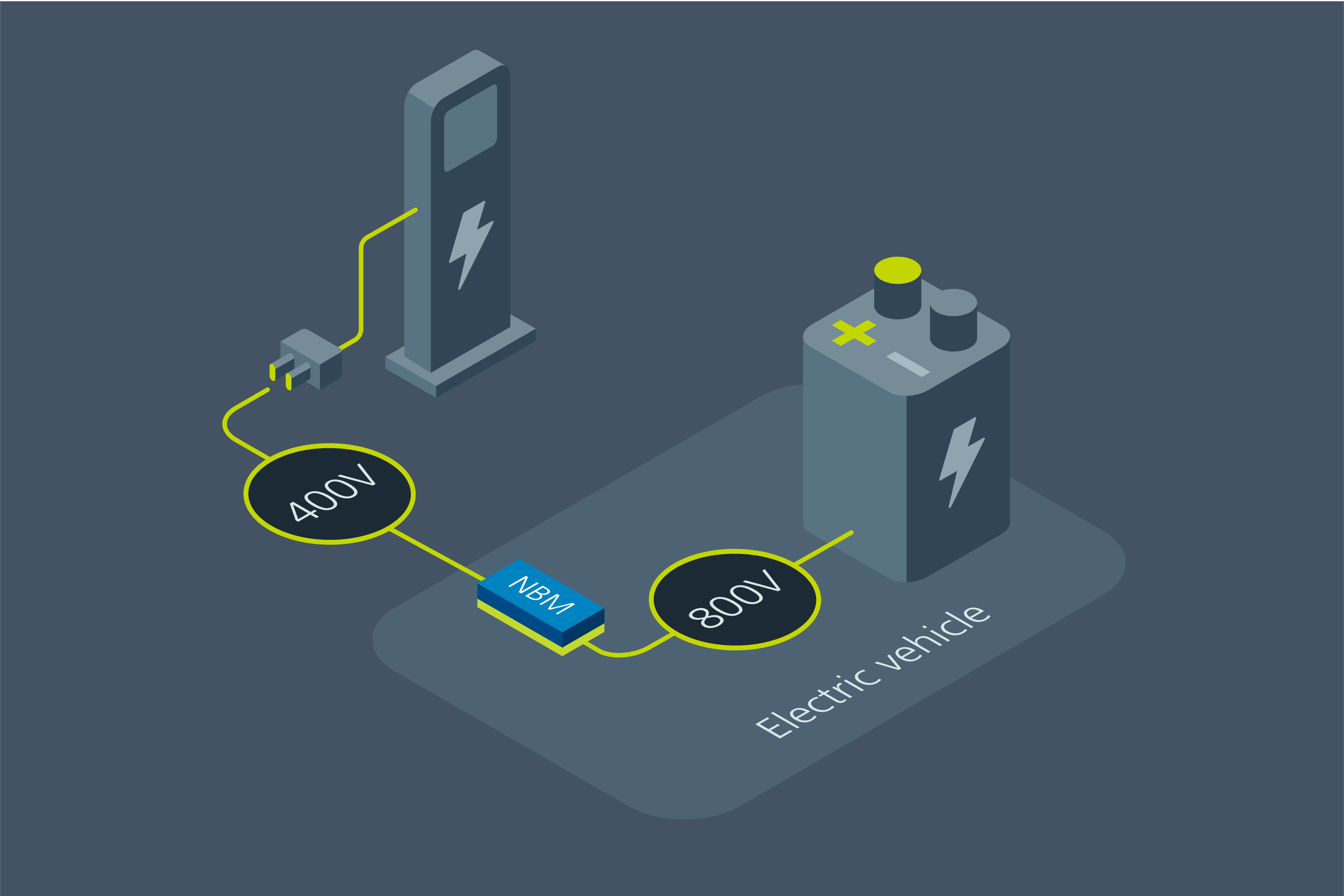
Credit: www.vicorpower.com
Types Of Fast Charging
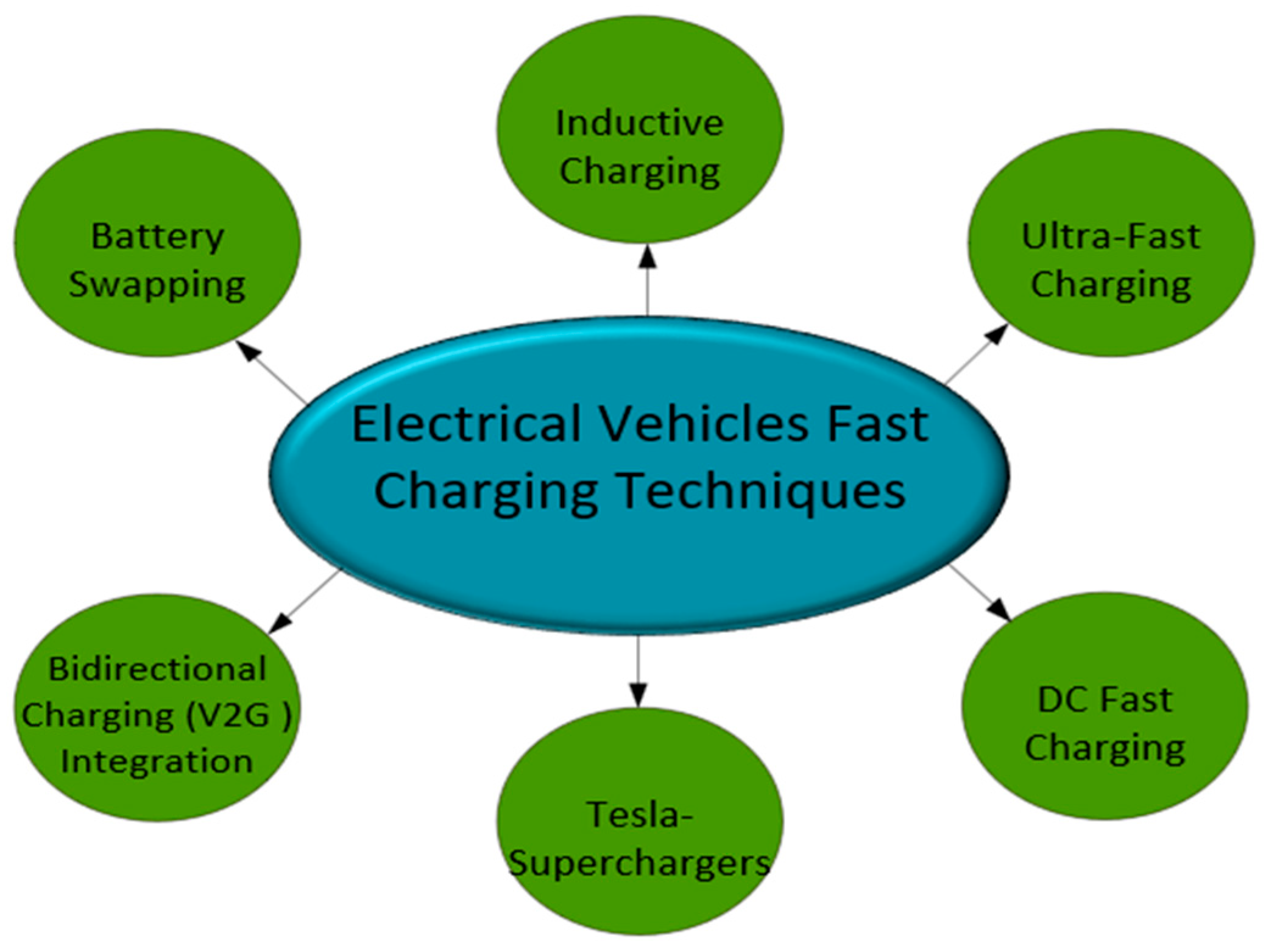
Fast charging technologies for electric vehicle (EV) batteries help drivers save time. These technologies deliver power quickly, making charging stops shorter. Several types of fast charging exist, each with unique features and benefits.
Level 3 Dc Fast Charging
Level 3 charging uses direct current (DC) to charge the battery fast. It can add 60 to 80 miles of range in just 20 minutes. This type is common at public charging stations along highways. It works well for long trips and quick stops.
Ultra-fast Charging
Ultra-fast charging offers even higher power levels than Level 3. It can deliver up to 350 kW of power or more. This means an 80% charge in 15 minutes or less for some EVs. It requires special chargers and compatible vehicles.
Wireless Fast Charging
Wireless charging uses magnetic fields to transfer energy without cables. This method is less common but growing in popularity. It allows charging by parking over a charging pad. Wireless fast charging is convenient but usually slower than wired fast charging.
Battery Chemistry And Fast Charging
Battery chemistry plays a key role in fast charging for electric vehicle (EV) batteries. Different battery types respond differently to high charging speeds. The chemistry affects how quickly a battery can take in charge without damage. Understanding this helps improve charging technology and battery life.
Lithium-ion Advancements
Lithium-ion batteries are the most common in EVs. Scientists improve their materials to allow faster charging. Changes in the anode and cathode help reduce charging time. New additives in the electrolyte also boost performance. These improvements keep the battery safe during quick charges.
Solid-state Batteries
Solid-state batteries use solid materials instead of liquid electrolytes. This design allows faster ion movement. It also reduces the risk of overheating. These batteries can charge quicker and last longer. They are a promising option for future EV fast charging.
Thermal Management
Heat affects battery performance during fast charging. Good thermal management systems keep battery temperatures stable. Cooling systems prevent overheating and damage. Proper heat control helps maintain battery health. It also allows the battery to charge at higher speeds safely.
Impact On Drive Time
Fast charging technologies have a clear effect on drive time for electric vehicles (EVs). Faster charging means less waiting and more driving. This change helps EV owners plan trips better and drives more efficiently. Below are key ways fast charging impacts drive time.
Reduced Downtime
Fast charging cuts the time spent at charging stations. Instead of waiting hours, drivers recharge in minutes. This reduces breaks and keeps trips moving. Drivers spend less time parked and more time on the road.
Extended Travel Range
Quick charging allows drivers to cover longer distances without long stops. They can recharge frequently without losing much travel time. This expands the practical range of EVs for daily and long trips. More places become reachable.
Charging Infrastructure Expansion
More fast chargers appear along highways and cities. This growth supports quick stops and continuous driving. Drivers find charging points easily on popular routes. The spread of fast chargers helps reduce drive time gaps.
Challenges And Solutions
Fast charging technologies for EV batteries face several challenges. These obstacles affect battery life, energy demand, and industry compatibility. Solutions are developing to address these issues. Understanding these challenges helps improve EV fast charging systems.
Battery Degradation
Fast charging causes batteries to heat up quickly. High temperatures can damage battery cells. This reduces battery capacity over time. Manufacturers use advanced cooling systems to lower heat. New battery materials also resist fast charging stress. Software controls slow down charging when needed. These methods help extend battery life.
Grid Demand
Fast chargers draw large amounts of electricity from the grid. This sudden demand can strain local power systems. It may cause power outages or increased costs. Smart charging technology balances load during peak hours. Some stations use energy storage to reduce grid impact. Renewable energy sources support cleaner fast charging. These steps help maintain grid stability.
Standardization Efforts
Different EV makers use various fast charging standards. This creates confusion and limits charger compatibility. Industry groups work to create universal standards. Common connectors and protocols simplify charging for users. Standardization reduces costs for manufacturers and consumers. It encourages wider adoption of fast charging networks.
Credit: www.mdpi.com
Future Trends In Fast Charging
Fast charging technology for electric vehicle (EV) batteries is evolving quickly. New developments aim to make charging faster, safer, and more efficient. These advances will impact how we use and think about EVs in the near future.
Smart Charging Systems
Smart charging systems use software to control charging speed and times. They adjust power based on battery health and grid demand. This helps extend battery life and reduce energy costs. Smart chargers can also communicate with the vehicle and the grid for better performance.
Integration With Renewable Energy
Fast chargers will increasingly use renewable energy like solar and wind. This reduces pollution and lowers charging costs. Some stations will store energy in batteries to use when the sun is down or wind is low. This makes EV charging cleaner and more reliable.
Vehicle-to-grid Technology
Vehicle-to-grid (V2G) technology allows EVs to send energy back to the grid. Cars can act as mobile energy storage during peak demand. This helps balance the grid and can earn money for EV owners. V2G also supports renewable energy by storing excess power for later use.
Frequently Asked Questions
What Are The Main Types Of Fast Charging For Ev Batteries?
Fast charging mainly includes DC fast charging and Level 2 AC charging. DC fast charging delivers higher power for quick battery fill-ups. Level 2 is slower but widely available and good for overnight charging.
How Fast Can Ev Batteries Charge With Fast Charging Technology?
EV batteries can charge up to 80% in about 20 to 40 minutes using fast chargers. Charging speed depends on the charger power and battery size. New technologies aim to reduce charging time even more.
Does Fast Charging Harm Ev Battery Life?
Frequent fast charging may slightly reduce battery lifespan over time. Most EVs manage charging to protect battery health. Using fast charging only when needed helps extend battery life.
Are All Evs Compatible With Fast Charging Stations?
Most modern EVs support fast charging, but the connector type varies. CCS and CHAdeMO are common fast charging standards worldwide. Always check your EV’s charging compatibility before using fast chargers.
What Improvements Are Expected In Future Fast Charging Technologies?
Future technologies focus on higher power and safer, faster charging. Solid-state batteries and better cooling systems are in development. These advances aim to make charging quicker and more efficient.
Conclusion
Fast charging technology helps electric vehicles charge much faster today. It saves time and makes EVs more practical for daily use. Battery safety and lifespan remain important as charging speeds improve. New materials and designs keep pushing charging limits further.
Drivers benefit from less waiting and more driving time. The future of EV charging looks bright and promising. Staying informed about these technologies can help you choose better. Fast charging makes electric cars easier and more convenient to own.