
When it comes to choosing the right battery for your electric vehicle or energy storage system, you might have come across two popular options: LFP and NMC batteries. But which one is really the best fit for your needs?
Understanding the key differences between LFP and NMC batteries can save you money, improve performance, and extend the life of your devices. You’ll discover how these batteries work, their strengths and weaknesses, and which one suits your lifestyle or project.
Keep reading to make an informed choice that powers your future the right way.
Battery Chemistry Basics
Understanding battery chemistry helps choose the right battery for your needs. Different batteries use different materials inside. These materials affect how the battery works and lasts. Two popular types are LFP and NMC batteries. Knowing their chemistry basics can guide your decision.
What Is Lfp?
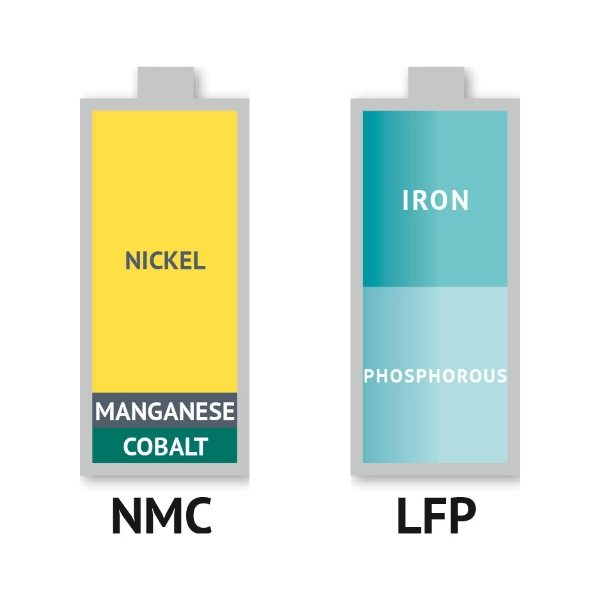
LFP stands for lithium iron phosphate. It uses iron and phosphate in its cathode. This makes the battery very stable and safe. LFP batteries last long and handle many charge cycles. They often weigh more but cost less to produce. These batteries are common in electric vehicles and energy storage.
What Is Nmc?
NMC means lithium nickel manganese cobalt oxide. It uses nickel, manganese, and cobalt. This mix gives the battery high energy density. NMC batteries store more energy in less space. They are lighter but usually cost more. These batteries are popular in smartphones and electric cars.
Key Chemical Differences
LFP batteries have iron and phosphate, making them very stable. NMC batteries have nickel, manganese, and cobalt, giving more power. LFP has lower energy density but lasts longer. NMC offers higher energy but can degrade faster. These chemical differences affect safety, cost, and battery life.

Credit: troescorp.com
Performance Comparison
Comparing the performance of LFP and NMC batteries helps to understand their best uses. Each type has strengths in different areas. This affects how well they work in devices and vehicles.
Performance depends on factors like energy density, power output, and how fast they can charge or discharge. These details matter for choosing the right battery for your needs.
Energy Density
NMC batteries have higher energy density than LFP batteries. This means NMC stores more energy in the same space. Devices using NMC can run longer without extra weight. LFP batteries are lighter in energy storage but are safer and last longer.
Power Output
LFP batteries offer stable power output over time. They handle high power demands without overheating. NMC batteries can deliver strong power but may degrade faster at high loads. LFP suits applications needing consistent power over many cycles.
Charge And Discharge Rates
LFP batteries support faster charge and discharge rates safely. This allows quick recharging and strong bursts of power. NMC batteries charge quickly but need careful management to avoid damage. LFP’s resilience makes it good for frequent charging cycles.
Safety And Stability
Safety and stability are vital when choosing between LFP and NMC batteries. Both types store energy, but they differ in how they handle heat, stress, and fire risks. Understanding these differences helps pick the right battery for your needs.
Thermal Stability
LFP batteries resist heat better than NMC batteries. They keep stable at higher temperatures without breaking down. NMC batteries can overheat more easily, causing problems. This makes LFP safer in hot or tough environments.
Risk Of Fire
LFP batteries have a lower chance of catching fire. Their chemical makeup reduces the risk of flames or explosions. NMC batteries contain more reactive materials, raising fire risks if damaged or overheated. Safety is a key benefit of LFP cells.
Durability Under Stress
LFP batteries last longer under heavy use and rough conditions. They tolerate more charge cycles and physical stress without failing. NMC batteries can degrade faster with frequent use. For long-term reliability, LFP often performs better.
Credit: www.ufinebattery.com
Lifespan And Degradation
Understanding the lifespan and degradation of batteries is key to choosing the right type. LFP (Lithium Iron Phosphate) and NMC (Nickel Manganese Cobalt) batteries behave differently over time. This section explains how these batteries age and what affects their performance.
Cycle Life
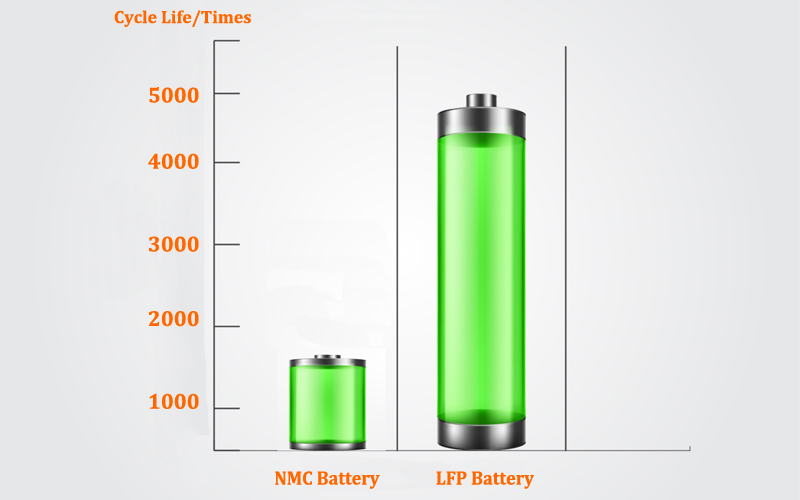
Cycle life means how many times a battery can charge and discharge fully. LFP batteries usually last longer, often reaching 2,000 to 3,000 cycles. NMC batteries typically last about 1,000 to 2,000 cycles. This makes LFP better for long-term use. Fewer replacements save money and reduce waste.
Capacity Retention
Capacity retention is how much battery power stays after many cycles. LFP batteries keep more capacity over time. They lose less power after hundreds of cycles. NMC batteries lose capacity faster. This means NMC batteries may need replacement sooner.
Effects Of Environmental Factors
Temperature and storage conditions affect battery life. LFP batteries handle heat better and degrade slower in warm environments. NMC batteries can suffer more from high heat. Cold temperatures lower both types’ performance but impact NMC more. Proper care helps extend battery life for both types.
Cost And Availability
Cost and availability play a big role in choosing between LFP and NMC batteries. These factors affect the final price and how easy it is to get these batteries. Understanding the differences helps buyers and manufacturers make smart decisions.
Material Costs
LFP batteries use lithium, iron, and phosphate. These materials are more common and less costly.
NMC batteries need nickel, manganese, and cobalt. Cobalt is expensive and in limited supply.
The higher cost of cobalt raises the price of NMC batteries.
Manufacturing Expenses
LFP batteries have a simpler design. This leads to lower production costs.
NMC batteries require more complex processes to handle expensive metals.
The extra steps increase the manufacturing expenses for NMC batteries.
Market Supply Trends
LFP battery materials are widely available worldwide. This supports steady production and supply.
NMC batteries depend on cobalt and nickel, often sourced from limited regions.
Supply risks can cause price changes and delays for NMC batteries.
Applications And Use Cases
Batteries power many devices and systems around us. Different types suit different needs. LFP and NMC batteries each have unique strengths. These strengths define where each battery type is best used. Understanding their applications helps choose the right battery for the right job.
Electric Vehicles
LFP batteries are common in electric buses and some cars. They last long and are very safe. NMC batteries store more energy in less space. This makes them ideal for electric cars needing longer range. Both types support clean transport but fit different vehicle types.
Energy Storage Systems
LFP batteries are popular in home and grid energy storage. They handle many charging cycles without losing much power. NMC batteries store more energy, which is good for limited space. Energy systems benefit from both types depending on size and cost needs.
Consumer Electronics
NMC batteries often power laptops, smartphones, and tablets. They offer high energy density for longer use. LFP batteries are less common here but used in some power tools and devices. Each battery type helps keep electronics running efficiently and safely.
Environmental Impact
The environmental impact of batteries matters for our planet’s health. Different battery types affect nature in various ways. LFP (Lithium Iron Phosphate) and NMC (Nickel Manganese Cobalt) batteries each have unique effects on the environment. Understanding these helps us choose cleaner energy solutions.
Raw Material Sourcing
LFP batteries use iron and phosphate, which are common and less harmful. These materials cause less damage during mining. NMC batteries need nickel, manganese, and cobalt. Mining cobalt and nickel often harms ecosystems and local communities. LFP’s raw materials are easier to find and cause less pollution.
Recycling Potential
LFP batteries are simpler to recycle because they do not contain cobalt. Recycling processes for LFP batteries are safer and cheaper. NMC batteries have valuable metals but are harder to recycle fully. Some materials in NMC batteries can be toxic if not handled well. Recycling helps reduce waste and saves resources for both types.
Carbon Footprint
LFP batteries generally have a lower carbon footprint during production. Their raw materials require less energy to mine and process. NMC batteries need more energy because of complex metal extraction. Using LFP batteries means less carbon dioxide released into the air. Choosing batteries with a smaller carbon footprint helps fight climate change.
Credit: www.ecolithiumbattery.com
Choosing The Right Battery
Choosing the right battery is key for your device or vehicle. Each type of battery has its strengths and limits. Picking the best one depends on what you need now and what you expect in the future.
Understanding the differences between LFP and NMC batteries helps make a smart choice. Both have unique features that suit different uses. Study these details to find the right fit for your needs.
Assessing Your Needs
Think about what you want from your battery. Is it for a car, a solar system, or small electronics? LFP batteries offer longer life and more safety. NMC batteries provide higher energy density and lighter weight. Match the battery type to your daily use and power demands.
Long-term Considerations
Consider how long the battery should last. LFP batteries last many cycles and stay safe under stress. NMC batteries may wear out faster but store more energy. Also, think about the cost over time, including replacements and maintenance.
Future Technology Trends
Battery tech improves fast. LFP batteries are growing in popularity for electric vehicles and storage. NMC batteries are evolving to hold more charge and become safer. Watch how these trends develop to choose a battery that stays useful for years.
Frequently Asked Questions
What Are The Main Differences Between Lfp And Nmc Batteries?
LFP batteries use lithium iron phosphate, while NMC batteries use nickel, manganese, and cobalt. LFP offers longer life and better safety. NMC gives higher energy density and more power.
Which Battery Type Is Safer For Electric Vehicles?
LFP batteries are safer because they are more stable and less likely to catch fire. NMC batteries can overheat more easily under stress. Safety is a key factor for EVs.
How Do Lfp And Nmc Batteries Compare In Cost?
LFP batteries are generally cheaper due to cheaper raw materials. NMC batteries cost more because of expensive metals like cobalt. Cost affects the choice for many buyers.
Which Battery Lasts Longer, Lfp Or Nmc?
LFP batteries typically last more charge cycles, meaning longer lifespan. NMC batteries have shorter cycle life but higher energy output. Longevity suits different uses.
Are Lfp Batteries Better For Home Energy Storage?
Yes, LFP batteries are often preferred for home storage due to safety and long life. NMC batteries can be used but need careful handling. Home use favors reliability.
Conclusion
Both LFP and NMC batteries have clear strengths and weaknesses. LFP batteries last longer and are safer but weigh more. NMC batteries are lighter and store more energy but cost more. Your choice depends on what matters most: safety, cost, weight, or energy.
Understanding these differences helps you pick the right battery. Think about your needs carefully before deciding. This way, you get the best battery for your use. Simple, smart choices lead to better results.