
When it comes to your electric vehicle, safety is probably one of your top concerns. Lithium-ion batteries power most EVs, but you might wonder how safe they really are.
What keeps these powerful energy sources from overheating, catching fire, or failing unexpectedly? You’ll discover the key safety features built into lithium-ion EV batteries that protect you every time you hit the road. Understanding these protections will give you peace of mind and help you make smarter choices about your electric vehicle.
Keep reading to learn how technology is working behind the scenes to keep you safe.

Credit: www.sciencedirect.com
Battery Chemistry And Safety
Battery chemistry plays a big role in lithium-ion EV battery safety. These batteries store energy through chemical reactions. The materials inside affect how safe and stable the battery is. Understanding the chemistry helps explain risks and safety features.
Battery makers choose chemicals carefully to balance power, life, and safety. Some chemicals handle heat better. Others store more energy but have higher risks. Knowing these details helps make better and safer batteries for electric vehicles.
Key Chemical Components
Lithium-ion batteries use lithium ions to move charge. The main parts are the cathode, anode, electrolyte, and separator. The cathode often contains metals like cobalt, nickel, or manganese. The anode is usually made of graphite. The electrolyte carries lithium ions between the electrodes. The separator keeps the electrodes apart to avoid short circuits.
Common Safety Risks
Batteries can face risks like overheating, short circuits, and chemical leaks. Damage or poor design may cause internal shorts. Overcharging or high temperatures can cause gas buildup. This leads to swelling or even fire. Proper management systems help reduce these risks by monitoring battery conditions.
Thermal Runaway Causes
Thermal runaway happens when the battery heats uncontrollably. It starts from damage, overcharge, or manufacturing defects. Heat triggers chemical reactions that release more heat. This cycle can cause fire or explosion. Safety designs include cooling systems and protective circuits to prevent this.

Credit: www.sciencedirect.com
Design Elements Enhancing Safety
Design elements play a key role in making lithium-ion EV batteries safe. They help prevent problems like overheating and short circuits. These elements work together to keep the battery stable and reliable. Let’s explore the main design features that enhance safety in these batteries.
Battery Management Systems
The Battery Management System (BMS) acts as the brain of the battery pack. It monitors voltage, current, and temperature in real-time. The BMS stops the battery from charging or discharging too fast. It also balances the cells to keep them at the same charge level. This control prevents overcharging, over-discharging, and overheating. The BMS sends alerts if any problem arises. This system reduces the risk of battery failure and extends battery life.
Thermal Management Techniques
Thermal management keeps battery temperatures within safe limits. It uses cooling or heating systems to control heat. Air cooling is common in many EVs. Liquid cooling offers better temperature control for larger packs. Some batteries use phase change materials to absorb heat. Proper thermal management avoids overheating and thermal runaway. It ensures the battery works well in hot or cold weather. This design element protects the battery and the vehicle.
Cell And Pack Design
The shape and layout of cells affect safety. Cells are arranged to avoid damage from impacts. Insulating materials separate cells to stop short circuits. The pack design includes strong outer casing for protection. Some packs have fire-resistant layers to slow flames. Connectors and wiring are designed to prevent sparks. This careful design reduces risks during crashes or faults. It helps keep passengers and the vehicle safe.
Safety Testing And Standards
Safety testing and standards play a key role in lithium-ion EV battery development. These tests ensure the batteries perform well under different conditions. They protect users and vehicles from harm. Strict standards guide manufacturers to make safer batteries.
Industry Safety Protocols
Batteries follow strict safety protocols during design and production. These protocols cover electrical, mechanical, and thermal safety. They help prevent short circuits, overheating, and leaks. Protocols also require quality checks at every stage.
Crash And Impact Testing
Crash tests simulate real accidents to check battery durability. Batteries must withstand impacts without breaking or catching fire. Engineers test crush resistance and vibration tolerance. These tests reduce risks during car collisions.
Fire Resistance Measures
Fire resistance is vital for lithium-ion batteries. Tests check how batteries react to extreme heat or flames. Fireproof materials and safety vents help control thermal runaway. These measures limit fire spread and protect passengers.
Advanced Safety Technologies
Safety is a top priority in lithium-ion EV batteries. Advanced safety technologies help prevent accidents and improve battery life. These innovations reduce risks like overheating and fires. They make electric vehicles safer for everyone.
Solid-state Batteries
Solid-state batteries use solid materials instead of liquid electrolytes. This change reduces leaks and fires. They offer better stability and last longer than regular batteries. Solid-state technology is a key step for safer EV batteries.
Fire-resistant Electrolytes
Fire-resistant electrolytes lower the chance of battery fires. These special chemicals resist burning even under extreme heat. They protect the battery during crashes or damage. This feature adds a strong safety layer to EV batteries.
Smart Monitoring Sensors
Smart sensors track battery temperature, voltage, and current constantly. They detect problems early and alert the system. This helps prevent overheating or overcharging. Sensors keep the battery working safely and efficiently.
User Practices For Battery Safety
Using lithium-ion EV batteries safely is very important. Proper user habits can prevent accidents and extend battery life. Simple daily actions help keep you and your vehicle safe.
Following safety guidelines ensures the battery works well for a long time. Learning good habits protects your investment and the environment.
Proper Charging Habits
Charge the battery in a cool, dry place. Avoid charging in very hot or cold areas. Use the charger that came with your EV. Fast charging is okay sometimes, but regular slow charging is better. Do not leave the battery plugged in after it is fully charged. Unplug it to avoid overheating or damage.
Storage Guidelines
Store the battery in a dry place away from direct sunlight. Keep the battery at a medium charge level during storage. Avoid storing the battery fully charged or completely empty. Store the battery in a cool place, around 20°C (68°F). Check the battery charge every few months and recharge if needed.
Handling And Maintenance Tips
Handle the battery carefully to avoid drops or impacts. Clean the battery terminals with a dry cloth to prevent corrosion. Avoid exposing the battery to water or moisture. Inspect the battery regularly for any damage or swelling. Replace the battery if it shows signs of damage or poor performance.
Future Trends In Battery Safety
Battery safety is a key focus for electric vehicle makers. Future trends aim to reduce risks and improve reliability. New technologies and rules will shape safer lithium-ion batteries.
Safety improvements protect drivers and help boost EV adoption. Developers explore fresh materials, smarter tools, and stricter regulations. These advances create safer batteries for everyone.
Innovations In Materials
Researchers develop new materials that resist overheating. Solid-state electrolytes replace liquid ones to prevent leaks. These materials reduce fire risks and increase battery life.
Advanced coatings protect battery cells from damage. Safer separators stop short circuits inside cells. These material changes improve overall battery safety.
Enhanced Diagnostic Tools
Smart sensors monitor battery health in real time. They detect temperature changes and voltage drops early. These tools alert drivers to potential problems before they grow.
Machine learning predicts battery failures using data patterns. Continuous monitoring helps maintain optimal battery conditions. Enhanced diagnostics lead to fewer accidents and longer battery life.
Regulatory Developments
Governments enforce stricter safety standards for EV batteries. New rules require better testing and certification processes. These regulations ensure higher quality and safer products.
International cooperation creates uniform safety guidelines worldwide. Clear rules help manufacturers meet safety goals. Regulations drive innovation and protect consumers.
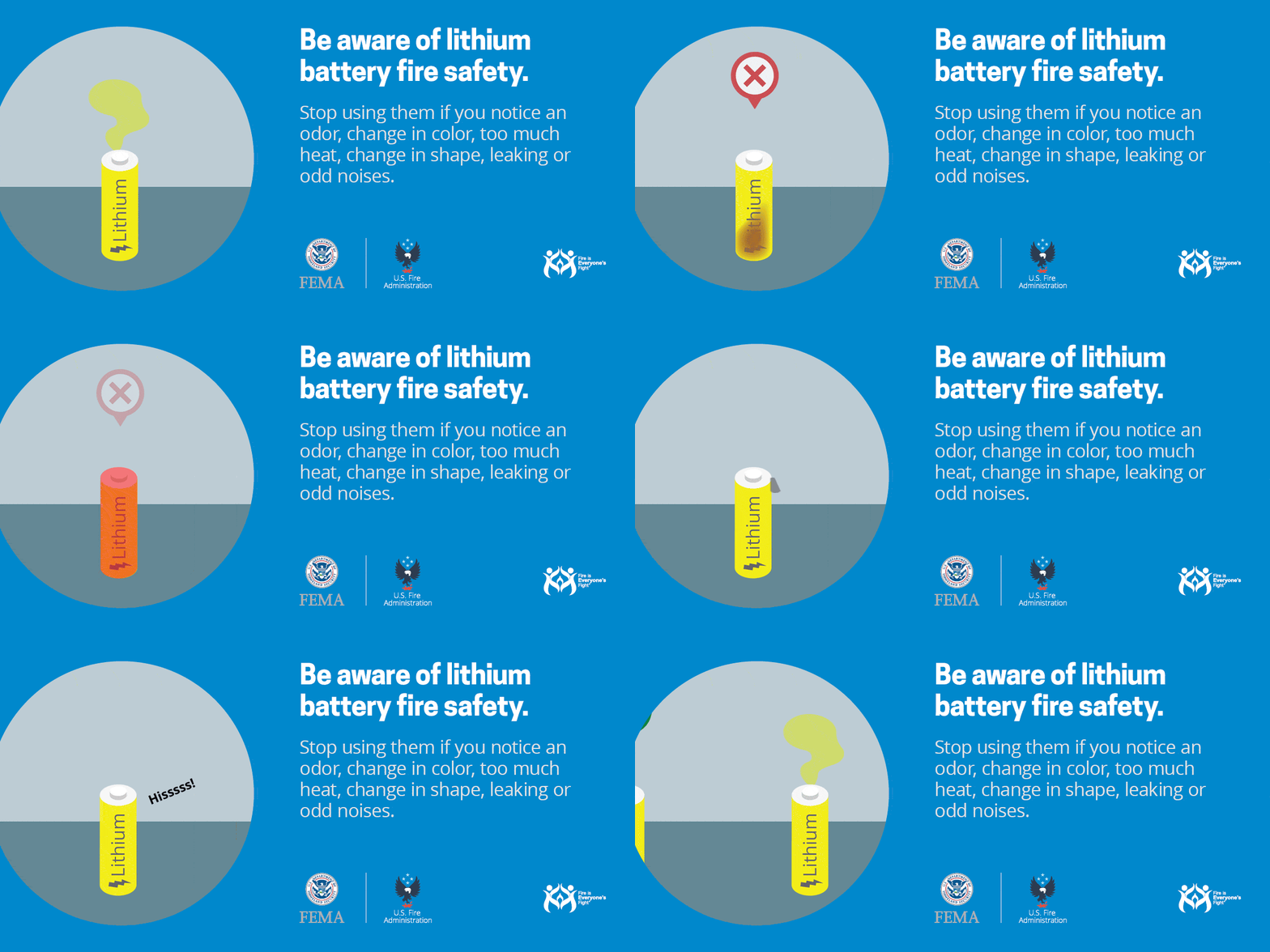
Credit: www.usfa.fema.gov
Frequently Asked Questions
What Are The Main Safety Features In Lithium-ion Ev Batteries?
Lithium-ion EV batteries have built-in sensors to monitor temperature and voltage. They use protective circuits to stop overcharging and short circuits. These features prevent overheating and possible fires.
How Do Battery Management Systems Improve Ev Battery Safety?
Battery management systems (BMS) track each battery cell’s health and balance their charge. BMS alerts the system if any cell is damaged or too hot. This helps avoid battery failure and increases lifespan.
Why Is Thermal Management Important In Lithium-ion Ev Batteries?
Thermal management keeps the battery temperature stable during use and charging. It prevents overheating, which can cause damage or fire. Cooling systems like liquid or air cooling are used for this.
Can Lithium-ion Ev Batteries Catch Fire? How Is It Prevented?
Yes, lithium-ion batteries can catch fire if damaged or overcharged. Safety systems stop this by controlling voltage and temperature. Strong battery casing also protects against physical damage.
How Do Manufacturers Test Lithium-ion Ev Battery Safety?
Manufacturers use strict tests like short circuit, overcharge, and impact tests. These tests ensure batteries work safely under different conditions. Only batteries that pass are used in electric vehicles.
Conclusion
Safety features in lithium-ion EV batteries protect users and vehicles. They stop overheating, short circuits, and overcharging. These features help batteries last longer and work better. Engineers design them to keep driving safe and smooth. Understanding these safety parts builds trust in electric vehicles.
Choosing EVs with good battery safety is smart. It ensures peace of mind on every trip. Safety is key for a cleaner, greener future.