
Are you ready to take control of your home’s energy like never before? The Tesla Solar Roof and Powerwall work together to give you clean, reliable power while reducing your electricity bills.
But knowing how to integrate these two powerful systems can be tricky. This guide is made just for you—to simplify the process and help you get the most out of your investment. Keep reading, and you’ll discover easy steps, expert tips, and everything you need to make your Tesla Solar Roof and Powerwall work seamlessly as a team.
Your smarter, greener home starts here.
Tesla Solar Roof Basics
The Tesla Solar Roof Basics explain how this technology blends solar power with roofing materials. It looks like a normal roof but produces electricity from sunlight. This helps reduce energy bills and adds value to homes.
The roof uses special glass tiles that collect solar energy. These tiles are strong and designed to last for many years. Tesla offers a clean and modern solution for solar power without bulky panels on top.
Key Features
The Solar Roof uses tempered glass tiles that resist weather and damage. It integrates solar cells into these tiles to capture sunlight efficiently. The design matches traditional roof styles for a neat look.
The system connects to the home’s electrical system to power appliances. It includes monitoring tools to track energy production in real time. This helps users understand their energy use clearly.
The roof is built for durability and comes with a warranty. It can withstand hail, wind, and fire. This makes it a reliable option for many climates.
How It Works
The solar tiles absorb sunlight and convert it into direct current (DC) electricity. An inverter then changes DC to alternating current (AC) for home use. This power runs lights, devices, and appliances.
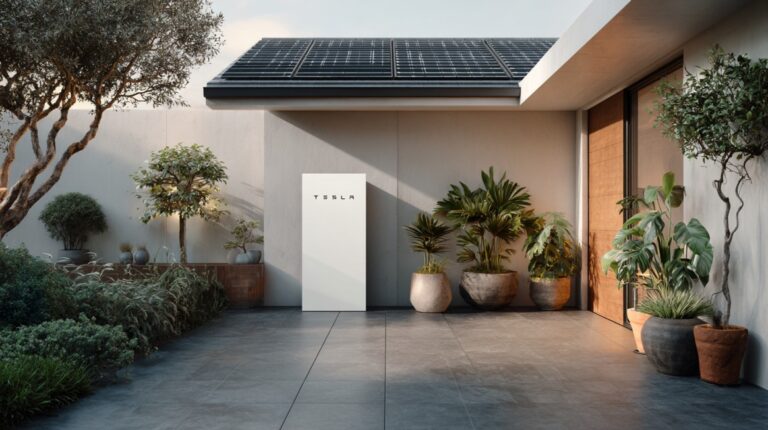
The system connects to the home’s power grid and the Tesla Powerwall battery. The Powerwall stores extra energy for use when the sun is not shining. This setup provides power even during outages.
Solar Roof works automatically, sending excess energy back to the grid. Homeowners can save money by reducing grid electricity use. The system also reduces carbon footprint by using clean energy.
Powerwall Essentials
The Tesla Powerwall is a key part of the Solar Roof system. It stores energy so you use solar power even at night. This helps you save money and have power during outages.
Understanding the Powerwall’s main functions and benefits is important. It makes your home more energy independent and efficient.
Core Functions
The Powerwall stores electricity generated by your Solar Roof. It powers your home when the sun is not shining. It also provides backup power during outages.
The system automatically switches between solar power and the Powerwall. It keeps your home running smoothly without manual work. It tracks your energy use to optimize savings.
Battery Storage Benefits
Battery storage reduces your reliance on the electric grid. You can use stored solar energy at night or on cloudy days. This lowers your electricity bills.
The Powerwall also protects your home from blackouts. It supplies power during storms or grid failures. This adds safety and peace of mind for your family.
Energy stored in the Powerwall helps balance demand. It supports the grid by reducing peak load times. This is better for the environment and your community.
Connecting Solar Roof To Powerwall
Connecting the Tesla Solar Roof to the Powerwall creates a smart energy system. It stores solar power for use during the night or outages. This connection helps maximize energy savings and self-reliance. Proper wiring and compatibility are key for smooth integration.
Wiring Requirements
The wiring between the Solar Roof and Powerwall must follow strict guidelines. Use high-quality cables rated for outdoor use. The wiring should handle the voltage and current from the solar panels. A licensed electrician must install the connections for safety and code compliance. Proper grounding is essential to prevent electrical hazards. The wiring layout should minimize energy loss for better efficiency.
System Compatibility
The Solar Roof works best with Tesla Powerwall models designed for integration. The Powerwall’s inverter communicates directly with the solar system. This communication balances energy production and storage. Check for software updates to keep both systems synced. Non-Tesla inverters may not support full functionality. Confirm compatibility before installation to avoid issues.
Installation Steps
Installing the Tesla Solar Roof with Powerwall requires clear steps. Each phase ensures the system works efficiently and safely. Follow this guide to understand the process.
Site Assessment
Experts inspect your roof to check its condition and size. They look for shade, roof angle, and sunlight exposure. This step helps decide the best solar panel layout. It also identifies potential challenges before installation begins.
Mounting And Setup
Solar tiles replace some roof tiles during this step. Installers carefully place the Tesla Solar Roof tiles. They connect the tiles to form a strong, weatherproof surface. The Powerwall battery is placed nearby, usually inside or outside the home. Proper mounting ensures durability and good energy capture.
Electrical Connections
Technicians link the solar roof to the Powerwall and your home’s electrical system. They install wiring and inverters to convert solar energy into usable power. Safety checks confirm all connections meet electrical codes. This step allows your home to use stored solar energy effectively.
Optimizing Energy Usage
Optimizing energy usage with Tesla Solar Roof and Powerwall helps save money and energy. It ensures your home uses electricity smartly throughout the day. This section explains simple ways to manage your energy effectively.
Load Management
Load management means balancing how and when you use electricity. The Powerwall stores solar energy for later use. Use appliances during the day to lower grid reliance. Shift heavy tasks like washing to daylight hours. This reduces peak demand and saves on bills. Smart energy use extends your Powerwall’s backup time.
Peak Time Strategies
Peak time means hours when electricity costs more. Tesla’s system can detect these times automatically. Use stored solar energy from the Powerwall during peak hours. Avoid running big appliances in the evening or early morning. This lowers your electricity bill and eases grid stress. Plan energy use to match off-peak hours for best results.

Credit: www.arkaenergy.com
Monitoring And Maintenance
Keeping an eye on your Tesla Solar Roof and Powerwall is important. Monitoring and maintenance help keep the system working well. This section shows how to check and care for your setup. Regular attention helps catch issues early and keeps energy flowing smoothly.
Using The Tesla App
The Tesla app lets you monitor your Solar Roof and Powerwall anytime. It shows energy production and usage in real time. You can see how much solar energy you use or store. The app also sends alerts for any system problems. It helps you track battery charge and power consumption easily.
With the app, check daily and weekly reports. These reports show how well your system performs. The app also helps you update software remotely. This keeps your system running with the latest features and fixes.
Routine Checks
Perform simple checks on your Solar Roof and Powerwall regularly. Look for dirt, debris, or damage on solar tiles. Clean the roof gently if you see dirt blocking sunlight. Check for signs of wear or cracks on tiles.
Inspect the Powerwall for any unusual noises or warning lights. Ensure it is free from dust and moisture. Keep the area around the Powerwall clear for good airflow. Test your home’s energy system by using the Tesla app reports.
Routine care helps your system last longer and work better. Schedule a professional inspection at least once a year. This keeps your Solar Roof and Powerwall safe and efficient.
Troubleshooting Common Issues
Troubleshooting common issues with your Tesla Solar Roof and Powerwall helps keep your system running smoothly. These problems can affect energy production or storage. Quick fixes can save time and prevent bigger problems. Below are common issues and tips for solving them.
Powerwall Alerts
Powerwall alerts notify you about system problems. Check the Tesla app for messages or warnings. Common alerts include low battery charge or communication errors. Restarting the Powerwall can often clear minor faults. Ensure your Wi-Fi connection is stable to avoid communication issues. Contact Tesla support if alerts persist or show critical errors.
Solar Roof Performance
Solar Roof performance may drop due to dirt, shade, or weather. Clean solar tiles gently with water to remove dust and debris. Avoid harsh chemicals or abrasive tools that can damage tiles. Monitor energy output through the Tesla app daily. Low power output during cloudy days is normal. Persistent low performance could indicate a wiring or inverter problem. Have a certified technician inspect the system if needed.
Credit: www.carboeurope.org
Maximizing Savings
Saving money with Tesla Solar Roof and Powerwall is possible with smart planning. Using these systems well reduces your energy bills and helps the environment. Understanding how to get the most value is key to long-term savings.
Small changes in how you use energy can make a big difference. Knowing about financial help and improving energy habits will boost your savings.
Incentives And Rebates
Many local governments offer rebates for solar roof installations. These reduce your upfront costs significantly. Check your state and city programs for available incentives. Federal tax credits can also lower your total expense. These credits often cover a large part of your investment. Applying early ensures you don’t miss out on savings. Some utility companies have special offers for solar power users. These programs can include cash payments or bill credits. Always ask your installer about current deals and incentives.
Energy Efficiency Tips
Use energy during the day to benefit from solar power. Run appliances like washers and dryers when the sun is strong. Set your Powerwall to store energy for nighttime use. Turn off lights and devices when not in use. Install LED bulbs to save electricity. Seal doors and windows to keep your home cool or warm. Use ceiling fans to reduce air conditioning needs. Monitor your energy use with Tesla’s app for better control. These small steps add up and lower your energy bills.

Credit: www.tesla.com
Frequently Asked Questions
How Does Tesla Solar Roof Integrate With Powerwall?
Tesla Solar Roof connects directly to the Powerwall. It stores extra energy produced during the day for night use. This integration helps reduce electricity bills.
Can Powerwall Store Energy From Tesla Solar Roof At Night?
Yes, Powerwall stores solar energy collected during the day. It powers your home at night or during outages. This ensures continuous energy supply anytime.
What Are The Benefits Of Combining Solar Roof And Powerwall?
Combining both reduces reliance on the grid and lowers energy costs. It provides backup power during outages. Also, it supports clean and renewable energy use.
How Is Tesla Solar Roof Wired To Powerwall?
Solar Roof panels send electricity to the Powerwall inverter. The inverter converts DC to usable AC power for the home. This setup allows seamless energy flow and storage.
Does Powerwall Increase Solar Roof’s Energy Efficiency?
Powerwall does not increase panel efficiency but stores excess energy. It lets you use stored solar power when sunlight is low. This improves overall energy usage and savings.
Conclusion
Tesla Solar Roof and Powerwall work well together for clean energy. They store and use solar power efficiently. This setup helps reduce electricity bills and reliance on the grid. Installation takes some planning but pays off over time. Monitoring your system keeps it running smoothly.
Choose Tesla for a reliable, eco-friendly energy solution. Simple steps lead to big savings and energy independence. A smart choice for homes aiming to go green.