
Imagine having a battery that lasts much longer, weighs less, and charges faster than the ones you use today. Sounds exciting, right?
That’s exactly what lithium sulfur batteries promise to deliver. If you want to know how this technology could change your gadgets, cars, and even the way we store energy, keep reading. By the end, you’ll understand why lithium sulfur batteries could be the game-changer you’ve been waiting for.
Lithium Sulfur Battery Basics
Lithium sulfur batteries are a new type of battery technology. They use sulfur as one of the main materials. These batteries offer a different way to store and use energy. They have potential benefits over traditional batteries. Understanding how they work can help you see their future role in energy storage.
These batteries could power devices and vehicles with less weight. They might also provide more energy for longer times. Let’s explore the basics of lithium sulfur batteries to know what makes them special.
How They Work
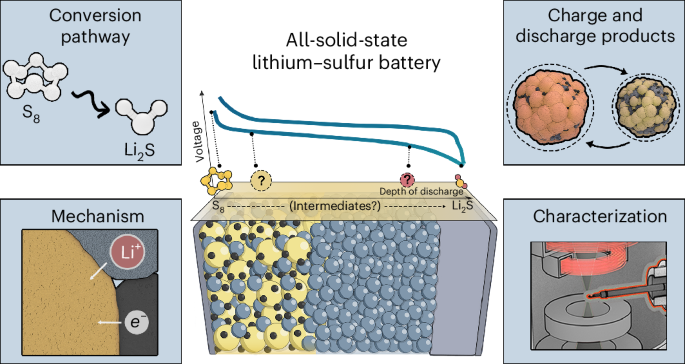
Lithium sulfur batteries create energy through chemical reactions. Lithium ions move from the lithium metal anode to the sulfur cathode during discharge. This movement produces electricity to power devices. When charging, the lithium ions return to the anode. This back-and-forth flow stores and releases energy efficiently.
Key Components
The main parts are the lithium metal anode and sulfur cathode. The electrolyte helps lithium ions move between the two. A separator keeps the anode and cathode apart to avoid short circuits. Sulfur is light and has high energy capacity. Lithium metal offers high energy density and light weight.
Comparison With Lithium Ion
Lithium sulfur batteries can hold more energy than lithium-ion. They are lighter because sulfur weighs less than cobalt or nickel. Lithium-ion batteries use heavier metals and have lower energy density. Sulfur is cheaper and more abundant than metals in lithium-ion batteries. However, lithium sulfur batteries may have shorter lifespans now.
Credit: www.nature.com
Advantages Over Traditional Batteries
Lithium sulfur batteries offer many benefits over traditional batteries. These advantages make them a strong choice for future energy needs. They store more energy, cost less to make, and harm the environment less.
These features help lithium sulfur batteries stand out in many uses. From electric cars to portable devices, they bring improvements that matter.
Higher Energy Density
Lithium sulfur batteries can hold much more energy than standard batteries. This means devices can run longer without charging. They also allow for smaller, lighter battery packs. This is important for electric vehicles and portable electronics.
Cost Effectiveness
Sulfur is cheap and widely available compared to metals like cobalt. This lowers the cost of making lithium sulfur batteries. Their simpler design also reduces manufacturing expenses. These factors make them a budget-friendly option for many industries.
Environmental Benefits
Lithium sulfur batteries use materials that are less harmful to nature. Sulfur is abundant and non-toxic. These batteries produce less waste and are easier to recycle. Using them helps reduce pollution and conserves natural resources.
Current Challenges
Lithium sulfur batteries offer high energy potential and low cost. Yet, several challenges hold back their wide use. These problems need clear solutions for better performance. Here are the main issues faced by lithium sulfur batteries today.
Cycle Life Limitations
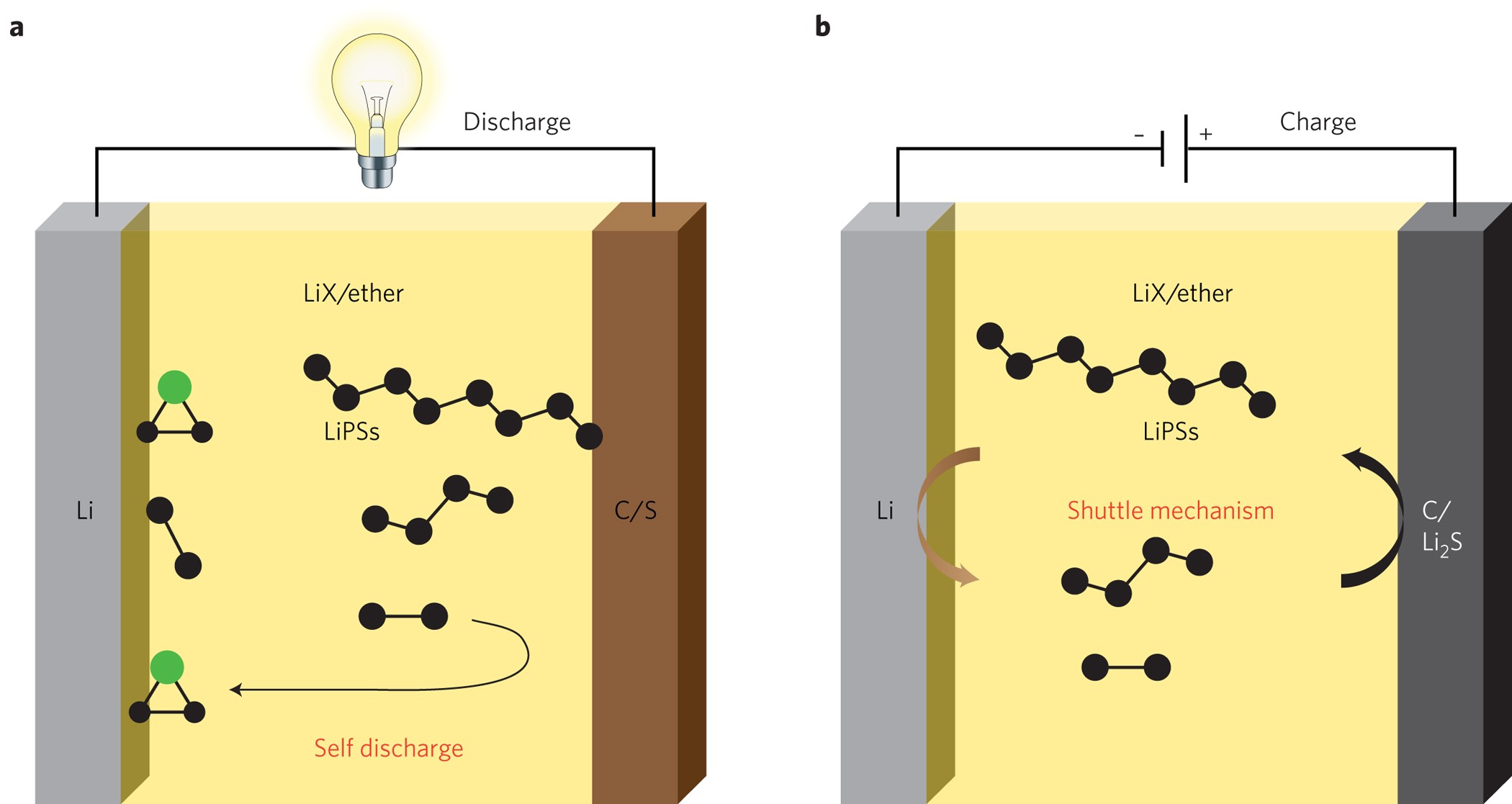
These batteries often have short cycle life. They lose capacity quickly after repeated use. The sulfur cathode breaks down during charging and discharging. This breakdown reduces the battery’s ability to hold charge. Improving cycle life is key to making them practical.
Capacity Fade Issues
Capacity fade happens as the battery ages. Active sulfur material dissolves into the electrolyte. This loss lowers the battery’s capacity over time. The shuttle effect causes unwanted reactions inside the cell. Reducing capacity fade is critical for reliable energy storage.
Safety Concerns
Safety remains a concern for lithium sulfur batteries. The lithium metal anode can form dendrites. Dendrites may cause short circuits and fires. Managing heat and preventing leaks is also challenging. Safer designs are necessary for everyday applications.

Credit: www.tycorun.com
Recent Technological Advances
Recent advances in lithium sulfur batteries have pushed their performance to new levels. Researchers focus on making these batteries last longer and hold more energy. These improvements could bring better batteries for electric cars and portable devices. Several key areas show promising progress.
Improved Cathode Designs
Cathodes in lithium sulfur batteries now use new materials to hold sulfur better. These materials stop sulfur from falling apart during charging. This change helps batteries keep their energy for more cycles. Scientists create porous structures that trap sulfur and its compounds. This design reduces energy loss and boosts battery life.
Novel Electrolyte Solutions
New electrolyte formulas reduce unwanted chemical reactions inside the battery. These solutions help lithium ions move smoothly between the electrodes. They also prevent the formation of harmful byproducts. By using safer and more stable electrolytes, batteries perform better and last longer. This step is key to making lithium sulfur batteries more reliable.
Enhanced Battery Architectures
Battery makers now build lithium sulfur cells with better internal layouts. These designs improve how parts fit and work together. They allow faster charging and better heat management. Some architectures use thin layers and flexible materials. This approach lowers weight and increases energy density. Better architecture means stronger and more efficient batteries.
Applications Driving Growth
Lithium sulfur batteries are gaining attention due to their unique advantages. Their high energy capacity and light weight make them suitable for many uses. These applications help drive the growth of lithium sulfur battery technology worldwide.
Each use case highlights different benefits and helps improve battery design. The main areas pushing development include electric vehicles, grid energy storage, and portable electronics.
Electric Vehicles
Lithium sulfur batteries offer longer driving ranges for electric cars. They weigh less than traditional lithium-ion batteries. This weight reduction helps improve vehicle efficiency. Car makers want batteries that last longer and cost less. Lithium sulfur meets many of these needs. The battery’s ability to store more energy supports longer trips. This attracts both manufacturers and buyers in the market.
Grid Energy Storage
Power grids require reliable energy storage to balance supply and demand. Lithium sulfur batteries provide a cost-effective solution for storing large amounts of electricity. They help store energy from renewable sources like wind and solar. Their lightweight nature reduces installation costs for grid projects. This technology supports more stable and cleaner energy systems. It also helps communities handle power outages better.
Portable Electronics
Devices like smartphones and laptops need batteries that last longer. Lithium sulfur batteries can store more power in a smaller size. This means longer usage time between charges. They also weigh less, making devices easier to carry. Battery life and weight are key factors for users. Lithium sulfur batteries can improve user experience in many gadgets.
Future Outlook
Lithium sulfur batteries show promise for the future of energy storage. Their light weight and high energy capacity make them attractive. Researchers and companies are working hard to solve current challenges. These efforts focus on making the batteries more stable and longer-lasting. The future of lithium sulfur batteries looks hopeful and full of potential.
Commercialization Prospects
Companies are investing in lithium sulfur battery development. Production costs are expected to decrease over time. Improving battery life is key to commercial success. Early models may appear in niche markets first. Portable electronics and drones could benefit from lighter batteries. Mass production will depend on overcoming technical hurdles.
Research Trends
Scientists are exploring new materials for better performance. Studies focus on reducing capacity loss during charging cycles. Innovations in electrode design aim to boost stability. Research also targets faster charging and safer operation. Collaboration between universities and industry speeds progress. Many labs worldwide contribute to these advancements.
Impact On Renewable Energy
Lithium sulfur batteries could support renewable energy storage. Their high energy density helps store more power in less space. This can improve solar and wind energy systems. Efficient storage enables steady power supply despite weather changes. Lightweight batteries are easier to transport and install. They may help make clean energy more accessible and reliable.
Credit: www.nature.com
Frequently Asked Questions
What Are Lithium Sulfur Batteries Used For?
Lithium sulfur batteries are mainly used in electric vehicles and portable devices. They offer high energy storage in a light weight design. This makes them ideal for long-lasting power needs.
How Do Lithium Sulfur Batteries Work?
These batteries use sulfur as the cathode and lithium as the anode. During discharge, lithium ions move to the sulfur cathode, creating electrical energy. This process stores and releases energy efficiently.
What Are The Benefits Of Lithium Sulfur Batteries?
They provide higher energy density compared to traditional lithium-ion batteries. They are lighter and cheaper because sulfur is abundant. This helps improve battery life and reduce costs.
What Are The Main Challenges Of Lithium Sulfur Batteries?
The batteries face issues like short life span and capacity loss over time. The sulfur cathode can break down during charging cycles. Scientists are working to improve their stability and durability.
How Do Lithium Sulfur Batteries Compare To Lithium-ion Batteries?
Lithium sulfur batteries have greater energy capacity and lower weight. But lithium-ion batteries currently last longer and are more stable. Each type suits different uses depending on power and lifespan needs.
Conclusion
Lithium sulfur batteries offer many benefits over traditional types. They hold more energy and weigh less. This makes them useful for many devices and vehicles. Still, challenges remain to improve their life and stability. Research continues to solve these problems.
As technology grows, we expect better batteries soon. These batteries could change how we use energy daily. Keep an eye on this promising field. Exciting developments may arrive in the near future.