
Flying with lithium batteries can feel tricky and confusing. You might wonder if your phone, laptop, or extra power bank is allowed on the plane.
You’re not alone in asking these questions. Knowing the rules can save you from last-minute stress, delays, or even having your devices taken away. You’ll discover simple, clear guidelines that help you pack your lithium batteries safely and confidently. Keep reading to learn exactly what you need to do before your next flight.
Credit: nediv.arrl.org
Lithium Batteries And Air Travel
Flying with lithium batteries requires extra care. Airlines have rules to keep passengers safe. These batteries power many devices we use daily. Understanding their types and risks helps travelers follow airline policies.
Types Of Lithium Batteries
Lithium batteries come in two main types. Lithium-ion batteries are rechargeable. They power phones, laptops, and cameras. Lithium metal batteries are not rechargeable. They are used in watches and remote controls. Each type has different safety rules for flying.
Why Lithium Batteries Are Risky On Planes
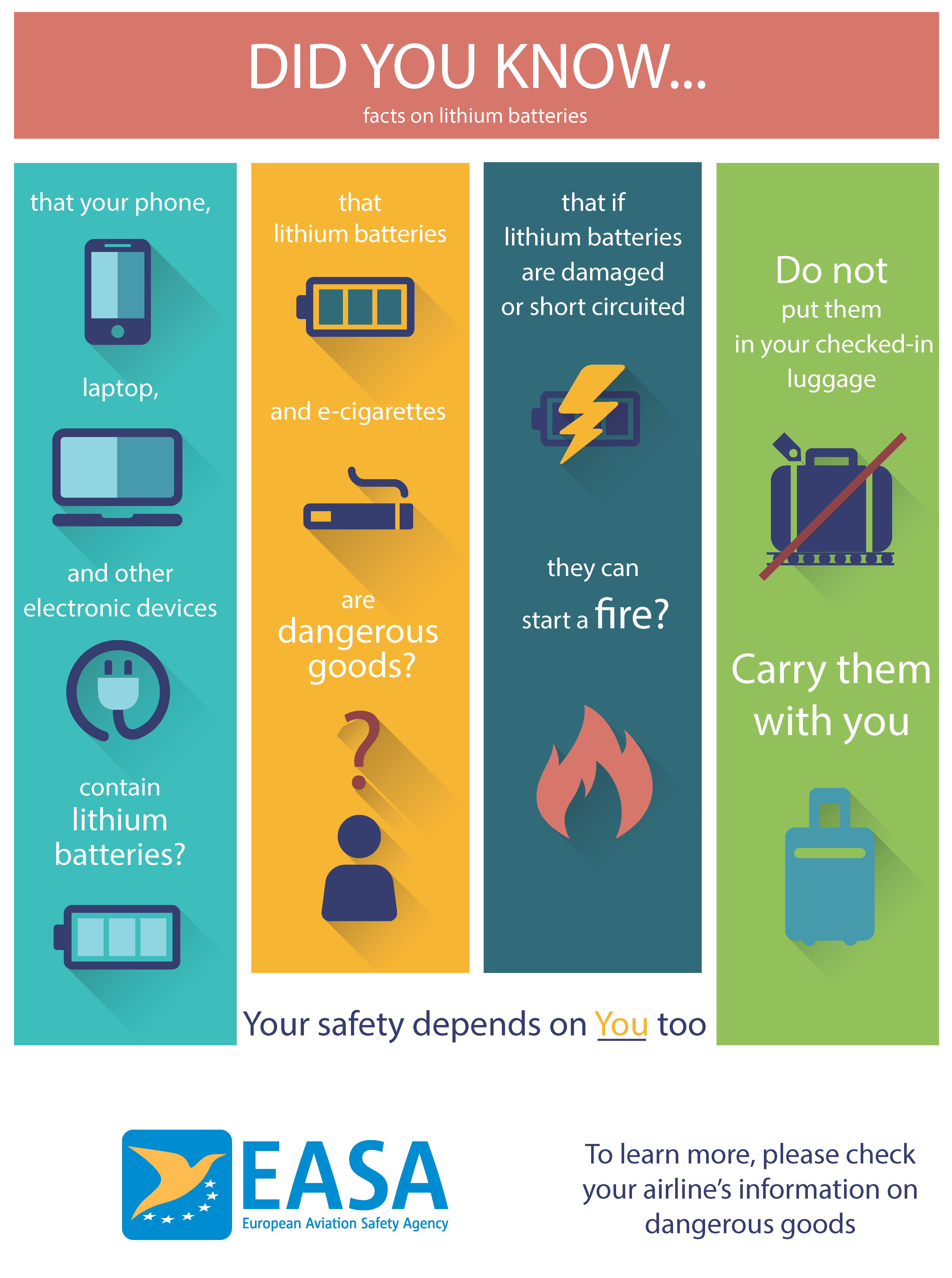
Lithium batteries can catch fire if damaged or short-circuited. Fires in the air are hard to control. Batteries may overheat due to pressure changes. Overheating can cause explosions or smoke. That is why airlines limit battery size and quantity. Proper packing and handling reduce risks on planes.
Airline Rules For Lithium Batteries
Flying with lithium batteries requires careful attention to airline rules. Airlines set specific guidelines to keep all passengers safe. These rules focus on how you carry batteries and their size limits. Knowing these rules helps avoid delays and problems at the airport.
Carry-on Vs Checked Luggage Policies
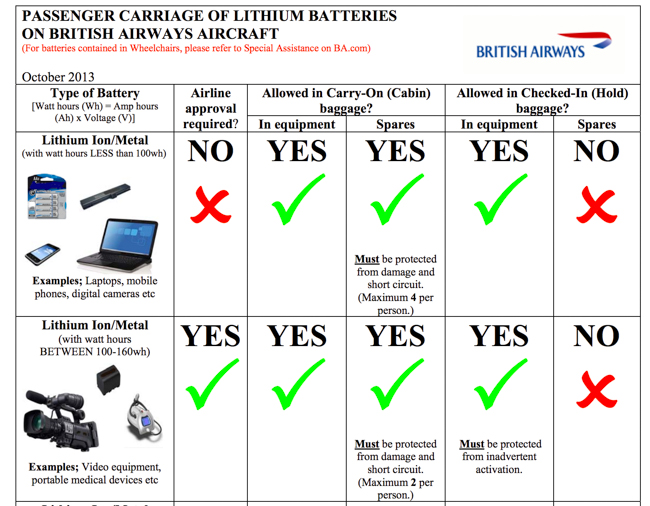
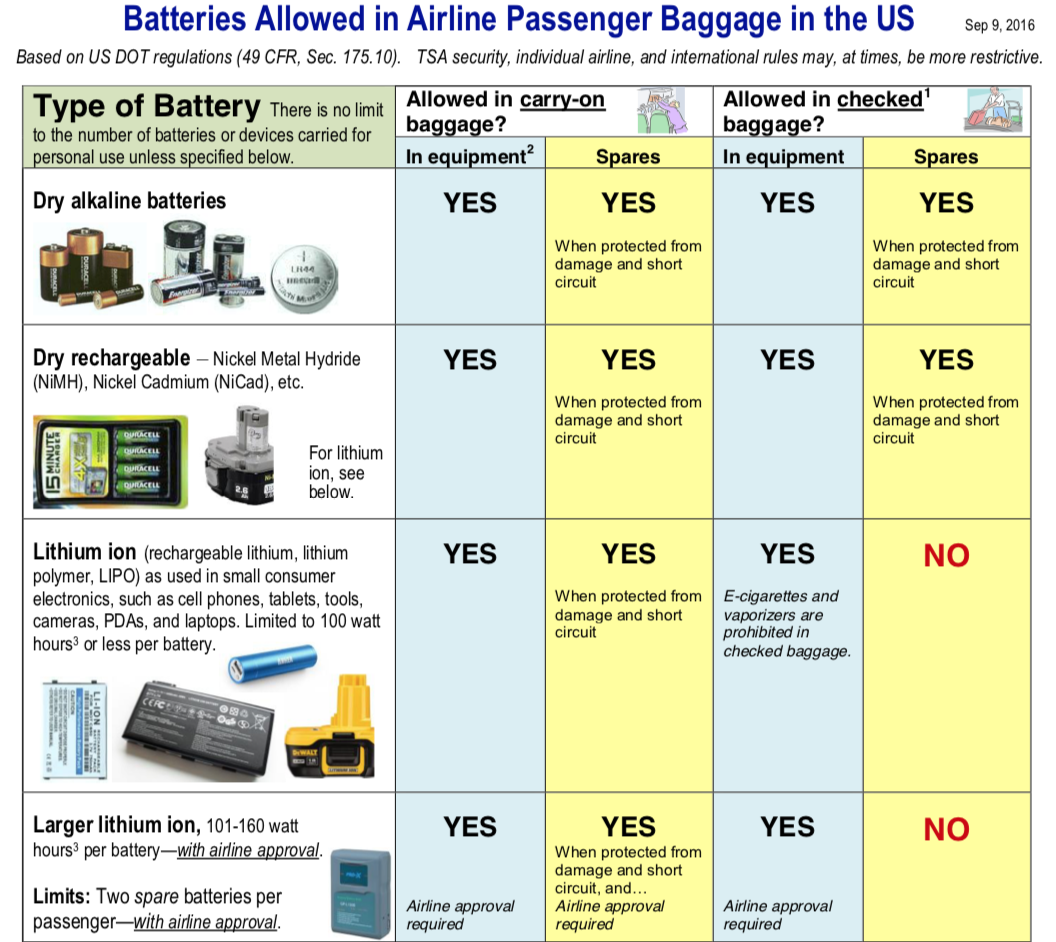
Most airlines allow lithium batteries only in carry-on bags. Batteries in checked luggage can cause fire risks. Small batteries, like those in phones and laptops, usually must stay with you. Larger batteries may be banned from checked bags altogether. Always check airline rules before packing.
Battery Size And Quantity Limits
Airlines limit the size and number of lithium batteries you can bring. Battery size is measured in watt-hours (Wh). Most airlines allow batteries under 100 Wh without approval. Batteries between 100 Wh and 160 Wh need airline approval. Carry only a few spare batteries to avoid issues. Packing too many batteries is often not allowed.
Packing Lithium Batteries Safely
Packing lithium batteries safely is important for air travel. These batteries can catch fire if damaged or short-circuited. Proper packing helps prevent accidents and keeps your trip smooth.
Follow simple steps to protect the batteries and avoid risks. This section explains how to pack lithium batteries safely for flying.
Protecting Terminals And Preventing Shorts
Cover battery terminals with tape to stop metal contact. Exposed terminals can touch metal objects and cause a short circuit. Use non-conductive tape like electrical tape for best results.
Keep batteries separate from other metal items. Store each battery in its own plastic bag or pouch. This prevents accidental contact and reduces the risk of sparks.
Using Approved Battery Cases
Use cases made specifically for lithium batteries. These cases protect batteries from damage during travel. Hard-shell cases offer extra protection against drops and pressure.
Choose cases that meet airline and safety guidelines. Proper cases lower the risk of battery damage and help pass security checks. Always check battery cases before packing.
Credit: www.newsshooter.com
Charging And Using Devices Onboard
Charging and using devices onboard a plane is common today. Passengers rely on phones, tablets, and laptops for work and entertainment. Carrying lithium batteries requires special care due to safety rules.
Understanding how to charge devices and handle issues helps keep flights safe. Airlines set clear guidelines for battery use in the air. Following these rules ensures a smooth trip for everyone.
Rules For Charging Batteries In Flight
Only use approved chargers and cables provided by the device maker. Airlines may limit charging to certain outlets or USB ports. Avoid charging batteries in checked luggage, as it is unsafe.
Do not leave devices charging unattended. Some airlines require devices to be off or in airplane mode while charging. Keep devices cool; overheating batteries pose fire risks.
Handling Device Malfunctions
Stop charging immediately if your device feels hot or smells strange. Inform the flight crew about any smoke or sparks. Do not try to fix the device yourself on the plane.
Flight attendants are trained to handle battery issues safely. Move the device away from other passengers if possible. Follow crew instructions to prevent accidents.
Dealing With Battery Emergencies
Battery emergencies on a plane can be scary. Knowing how to handle them is very important. Lithium batteries can overheat or catch fire. Quick action helps keep everyone safe. This section explains how to spot problems and what to do in an emergency.
Recognizing Signs Of Battery Overheating
Watch for unusual heat from the battery. It may feel hot to touch. Swelling or bulging is a bad sign. Smoke or a strange smell can appear. Sparks or popping noises can happen too. Notice any of these signs immediately.
Steps To Take During A Fire
Stay calm and alert others nearby. Use a fire extinguisher if available. Do not use water on lithium battery fires. Move away from the fire safely. Alert flight crew or emergency responders right away. Keep a safe distance until help arrives.
Credit: www.easa.europa.eu
Tips For Frequent Flyers
Flying with lithium batteries can be tricky for frequent flyers. Knowing the right tips helps avoid delays and problems at security. Safety rules change often. Staying informed is key for a smooth travel experience. Here are simple tips to keep your batteries compliant and stay updated.
Keeping Spare Batteries Compliant
Carry spare batteries in your carry-on bag only. Check the battery size limits set by airlines. Use original packaging or cover battery terminals with tape. Avoid loose batteries to prevent short circuits. Keep batteries away from metal objects like keys or coins. Always carry just the allowed number of spare batteries. Follow these rules to prevent damage and delays.
Staying Updated On Airline Regulations
Airline rules for lithium batteries can change quickly. Visit the airline’s website before every trip. Sign up for airline newsletters or alerts. Check government safety agencies for the latest battery guidelines. Use apps that provide airline and airport updates. Staying informed helps avoid surprises at the airport. It also keeps you safe during your journey.
Frequently Asked Questions
What Lithium Batteries Are Allowed On Planes?
Most airlines allow lithium-ion and lithium metal batteries in carry-on bags. Spare batteries must be under 100 watt-hours. Larger batteries need airline approval.
Can Lithium Batteries Be Checked In Luggage?
No, spare lithium batteries must be carried in the cabin. Batteries installed in devices may go in checked bags but check airline rules first.
How Should I Pack Lithium Batteries For Flights?
Keep batteries in original packaging or cover terminals with tape. Store them in carry-on bags to prevent short circuits and damage.
Are There Limits On Lithium Battery Size For Flights?
Yes, batteries under 100 watt-hours are generally allowed. Between 100-160 watt-hours, airline approval is needed. Batteries over 160 watt-hours are mostly banned.
What Happens If A Lithium Battery Overheats On A Plane?
Flight crews have special fire safety tools to handle battery fires. Passengers should report any smoke or heat from devices immediately. Safety is the top priority.
Conclusion
Flying with lithium batteries requires careful planning and awareness. Pack them in carry-on bags for safety. Keep batteries from damage or short circuits. Airlines set clear rules to follow. Check battery limits before your trip. Stay calm and prepared at security checks.
Safety helps everyone travel smoothly. Remember these tips for your next flight. Safe travels with your devices!