
If you own or are thinking about an electric vehicle (EV), understanding how your battery stays cool and safe is crucial. EV battery thermal management systems play a key role in keeping your car running smoothly, preventing overheating, and extending battery life.
Imagine driving without worrying about your battery’s temperature or sudden performance drops. You’ll discover how these systems work, why they matter for your EV’s health, and what it means for your driving experience. Keep reading to unlock the secrets behind a safer, more efficient electric ride.
Importance Of Thermal Management
Thermal management is vital for electric vehicle (EV) batteries. It controls the battery temperature to keep it within a safe range. Proper temperature helps the battery work well and last longer. Without good thermal management, batteries can overheat or get too cold. Both extremes can cause damage and reduce performance. This section explains why thermal management is important for EV batteries.
Impact On Battery Performance
Batteries perform best at moderate temperatures. Heat can cause chemical reactions to speed up, leading to faster energy loss. Cold temperatures slow down these reactions, reducing the battery’s ability to deliver power. Thermal management keeps the battery in the right temperature range for consistent power output. This helps the vehicle run smoothly and efficiently. Proper cooling or heating systems prevent sudden drops in performance.
Effects On Battery Lifespan
High temperatures can cause permanent damage to battery cells. This damage reduces the total number of charge cycles the battery can handle. Extreme cold can also harm the battery by increasing internal resistance. Good thermal management limits temperature swings and prevents stress on battery materials. This protection extends the battery’s useful life. A longer battery life means fewer replacements and lower costs for EV owners.
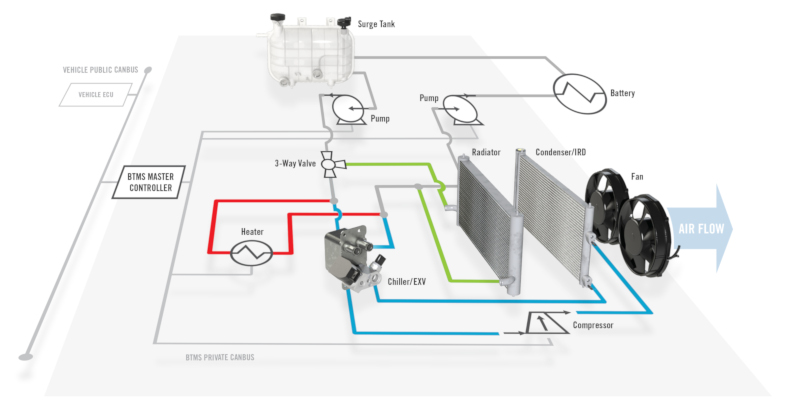
Credit: www.modineev.com
Types Of Thermal Management Systems
Electric vehicle (EV) batteries need to stay cool to work well and last longer. Thermal management systems help control battery temperature. Different types of systems use different methods to keep batteries safe and efficient.
Air Cooling Systems
Air cooling uses fans or vents to move air over the battery. This helps remove heat from the battery surface. It is simple and low cost. Air cooling works best in mild climates. It may not cool enough in very hot conditions.
Liquid Cooling Systems
Liquid cooling uses a coolant fluid to absorb heat from the battery. The fluid moves through pipes or plates near the battery cells. It can keep batteries cooler than air systems. Liquid cooling is more complex and costs more. It is common in high-performance EVs.
Phase Change Materials
Phase change materials absorb heat by changing from solid to liquid. This process stores energy and controls temperature spikes. These materials can reduce overheating during fast charging. They do not need power to work. Phase change materials add extra weight and cost.
Thermoelectric Cooling
Thermoelectric cooling uses electricity to create a temperature difference. It moves heat away from the battery without moving parts. This system is quiet and precise. It uses more energy than other methods. Thermoelectric cooling suits smaller batteries or special cases.
Design Considerations
Designing an EV battery thermal management system requires careful thought. These systems keep the battery at the right temperature. Proper design improves battery life and vehicle safety. Several key factors guide engineers during the design process.
Material Selection
The choice of materials affects heat transfer and durability. Materials must handle high temperatures and resist corrosion. Common options include aluminum and copper for heat exchange. Insulating materials also play a role in controlling heat loss. Lightweight and strong materials help improve system efficiency.
System Integration
The thermal management system must fit well within the EV design. It should work smoothly with the battery and other components. Space is limited, so compact designs are necessary. Integration affects cooling methods, such as liquid or air cooling. Easy installation and maintenance are important for long-term use.
Cost And Weight Factors
Keeping costs low is crucial for mass-market EVs. Designers balance performance with affordable materials and parts. Weight reduction improves vehicle range and handling. Lighter systems use fewer materials and reduce energy consumption. Effective design finds the right balance between cost and weight.
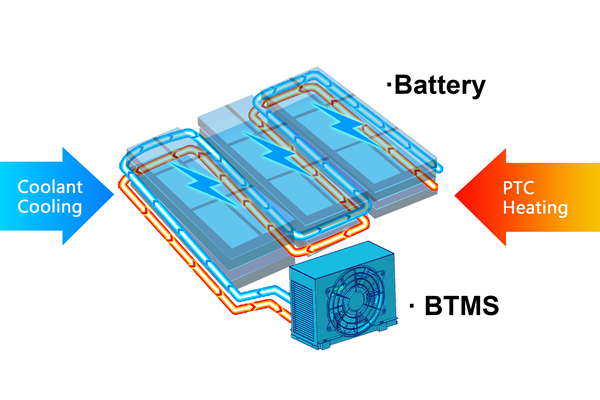
Credit: www.tktev.com
Advanced Technologies In Thermal Management
Advanced technologies in thermal management improve the safety and efficiency of EV batteries. These systems keep battery temperatures in the ideal range. This helps extend battery life and boosts vehicle performance. New innovations use smart tools and intelligent methods to manage heat more effectively.
Smart Sensors And Controls
Smart sensors track battery temperature in real time. They send data to control units for quick responses. These controls adjust cooling or heating systems automatically. This prevents overheating or freezing. Sensors can detect hot spots inside the battery pack. That ensures even temperature distribution. This technology helps avoid damage and maintains battery health.
Ai And Machine Learning Applications
AI uses data to predict battery temperature changes. It learns from past patterns to improve accuracy. Machine learning adjusts thermal management strategies based on conditions. This means better energy use and less wear on the battery. AI can also detect faults early. This reduces risks and enhances battery safety.
Adaptive Cooling Techniques
Adaptive cooling changes how cooling systems work based on need. It increases cooling during high power use or hot weather. When temperatures drop, it reduces cooling to save energy. Some systems use liquid cooling, air cooling, or a mix. These methods respond quickly to temperature changes. Adaptive cooling keeps batteries stable and efficient.
Challenges And Solutions
Electric vehicle (EV) battery thermal management systems face many challenges. These problems affect battery life, safety, and performance. Solving them requires careful design and smart technology. Let’s explore the main issues and how engineers address them.
Heat Dissipation Issues
Batteries produce heat during charging and use. Too much heat harms battery cells and reduces lifespan. Removing this heat is difficult due to tight spaces inside EVs. Cooling systems must be efficient and compact. Engineers use liquid cooling, air cooling, or phase change materials to spread and remove heat. Proper heat dissipation keeps batteries stable and safe.
Energy Efficiency Trade-offs
Thermal management systems consume energy themselves. This lowers the overall range of the EV. Balancing cooling power and energy use is tricky. Systems must cool well but use little power. Using smart sensors and adaptive cooling helps save energy. This balance improves driving range and battery health.
Scalability And Maintenance
EV battery sizes vary by model and brand. Thermal systems need to fit different battery packs easily. Designing scalable systems reduces costs and speeds up production. Maintenance is also a challenge since batteries are sealed units. Thermal systems must work long without frequent repairs. Durable materials and simple designs help lower maintenance needs.
Impact On Ev Efficiency And Range
Battery thermal management systems play a vital role in electric vehicles. They help control battery temperature to keep it in the best range. This control affects how efficient the EV is and how far it can travel on a charge.
Maintaining the right battery temperature prevents energy loss. It stops the battery from overheating or getting too cold. Both conditions can reduce battery life and vehicle range. A good thermal system ensures the battery works at its best all the time.
Optimizing Energy Consumption
Thermal management systems reduce the energy the battery uses for heating or cooling. This saves power for driving instead of temperature control. When the battery stays at an ideal temperature, it charges and discharges more efficiently. This means less wasted energy and longer trips between charges.
By keeping the battery cool, the system lowers resistance inside the cells. This helps the battery deliver power smoothly. Less energy is lost as heat, so the EV runs more efficiently. The car uses less electricity, which extends the driving range.
Enhancing Driving Performance
Proper temperature control supports steady power delivery from the battery. The vehicle can accelerate and climb hills without strain. This creates a smoother and more reliable driving experience.
Thermal systems also protect the battery from damage during fast charging. Safe temperatures allow quicker charging sessions without harming battery health. Drivers benefit from shorter charge times and more usable range.
Future Trends
The future of EV battery thermal management systems is evolving fast. New technologies and ideas are shaping safer, more efficient batteries. These trends will help electric vehicles run cooler and last longer. They also focus on using less energy and fewer materials.
Solid-state Batteries And Thermal Needs
Solid-state batteries offer higher energy density and safety. They require different cooling methods than traditional batteries. Managing heat in solid-state batteries is crucial for performance. These batteries operate at different temperatures. New thermal systems will adapt to these unique needs.
Integration With Vehicle Systems
Thermal management will connect more with vehicle systems. This means better control and faster response. Sensors and software will work together to keep batteries cool. Integration helps optimize energy use and extend battery life. Cars will become smarter in managing heat automatically.
Sustainability And Eco-friendly Approaches
Eco-friendly materials will become common in thermal systems. Recycling and reducing waste will guide new designs. Thermal management will focus on lowering energy use during operation. Using less harmful chemicals benefits the environment. Sustainable approaches will support the green goals of EVs.

Credit: rigidchill.com
Frequently Asked Questions
What Is An Ev Battery Thermal Management System?
An EV battery thermal management system keeps the battery at the right temperature. It prevents overheating and freezing. This helps the battery last longer and work better.
Why Is Thermal Management Important For Ev Batteries?
Battery performance drops if the temperature is too high or low. Thermal management keeps the battery safe and efficient. It also helps improve the driving range.
How Do Ev Battery Thermal Systems Work?
These systems use cooling and heating methods to control temperature. They may use liquid, air, or phase change materials. The system adjusts based on battery needs.
Can Thermal Management Extend Ev Battery Life?
Yes, proper temperature control reduces battery wear and tear. It avoids damage from extreme heat or cold. This means the battery stays healthy longer.
What Are Common Types Of Ev Battery Thermal Systems?
Common types include air cooling, liquid cooling, and heat pumps. Each type has pros and cons for cost and efficiency. Choice depends on the EV design.
Conclusion
EV battery thermal management systems keep batteries safe and efficient. They control temperature to avoid overheating or freezing. This helps batteries last longer and work better. Good thermal management also improves driving range and charging speed. As electric vehicles grow, these systems become more important.
Understanding their role helps you appreciate EV technology more. Smart temperature control makes electric driving smoother and safer. A well-managed battery means fewer problems on the road. Keep an eye on this key part of EV design.