
When you buy an electric vehicle (EV), one of the biggest questions on your mind is probably about the battery warranty. After all, the battery is the heart of your EV, and you want to make sure it’s protected.
But how do you know if your battery warranty is strong enough? What does it really cover, and how long will it last? Understanding your EV battery warranty can save you from unexpected costs and give you peace of mind.
Keep reading, and you’ll discover everything you need to know to protect your investment and keep your EV running smoothly for years to come.
Ev Battery Warranty Basics
Understanding EV battery warranties is important before buying an electric vehicle. These warranties protect your battery from defects and performance loss. Knowing the basics helps you make smart decisions and avoid surprises.
Typical Coverage Periods
Most EV battery warranties last between 8 to 10 years. Some also cover a specific mileage, usually around 100,000 miles. This period ensures peace of mind for many years of driving.
What’s Usually Included
The warranty covers battery defects and performance drops below a certain level. It may include repair or replacement of battery parts. Some warranties also cover labor costs for battery service.
Common Warranty Exclusions
Damage from accidents or improper use is not covered. Normal wear and tear or cosmetic damage usually falls outside the warranty. Using the wrong charger or unauthorized repairs can void the warranty.
Factors Affecting Warranty Validity
Understanding the factors that affect an EV battery warranty is essential. These elements can either keep your warranty valid or cause it to void. Knowing them helps you protect your investment and avoid unexpected costs.
Maintenance Requirements
Regular maintenance is crucial for EV battery health. Following the manufacturer’s guidelines keeps the warranty intact. Skipping scheduled check-ups or using unauthorized service centers may void the warranty. Proper care includes software updates and battery inspections.
Impact Of Driving Habits
Driving style directly affects battery life and warranty coverage. Aggressive driving, like rapid acceleration, strains the battery. Consistent fast charging can also reduce battery health. Smooth, steady driving helps maintain warranty validity.
Environmental Influences
Extreme temperatures can damage an EV battery. Very hot or cold conditions stress battery cells and affect performance. Parking in shaded or climate-controlled areas protects the battery. Environmental care plays a key role in keeping the warranty valid.
Maximizing Warranty Benefits
Maximizing your EV battery warranty benefits helps you save money and avoid stress. Knowing how to use your warranty wisely ensures your battery stays in good shape. Follow simple steps to protect your investment and get the most from your warranty coverage.
Keeping Detailed Service Records
Keep all service and repair documents safe and organized. Records prove that you followed the required maintenance schedule. They also show the battery’s condition over time. Clear records make warranty claims easier and faster to process.
Recognizing Early Warning Signs
Watch for changes in battery performance or charging habits. Strange noises, reduced range, or slow charging may signal issues. Early detection helps you address problems before they get worse. Report signs quickly to benefit from warranty coverage.
How To File A Claim
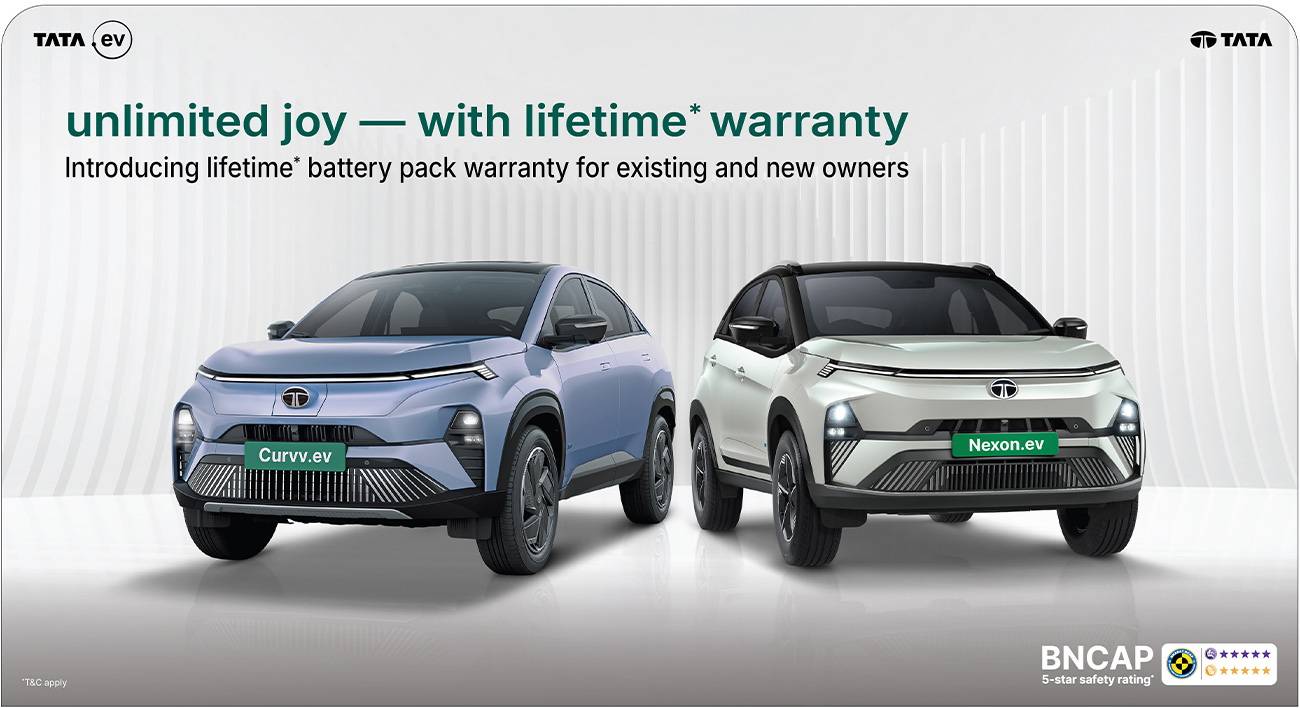
Contact your dealer or manufacturer as soon as you notice problems. Provide detailed service records and proof of purchase. Follow their instructions carefully to submit the claim. Prompt action increases the chance of a smooth warranty process.
Credit: www.tatamotors.com
Extending Battery Lifespan
Extending the lifespan of your EV battery helps you get more value and reduce replacement costs. A longer battery life means your electric vehicle stays reliable for years. Simple habits and care can keep the battery healthy and efficient.
Optimal Charging Practices
Charge your battery regularly but avoid full charges every time. Keep the charge level between 20% and 80% to protect the cells. Fast charging is convenient but use it sparingly. Slow charging is gentler and better for battery health. Avoid letting the battery drain completely to zero.
Temperature Management
Extreme heat or cold harms battery life. Park your EV in shaded or covered areas during hot weather. Warm up the battery before driving in cold climates. Use built-in thermal management systems if available. Stable temperatures keep the battery working well longer.
Software Updates And Calibration
Battery management software controls charging and discharging. Keep your vehicle’s software updated for better performance. Updates often improve battery efficiency and safety. Calibration helps the system measure battery health accurately. Regular updates and calibration prevent unexpected battery problems.
After Warranty Options
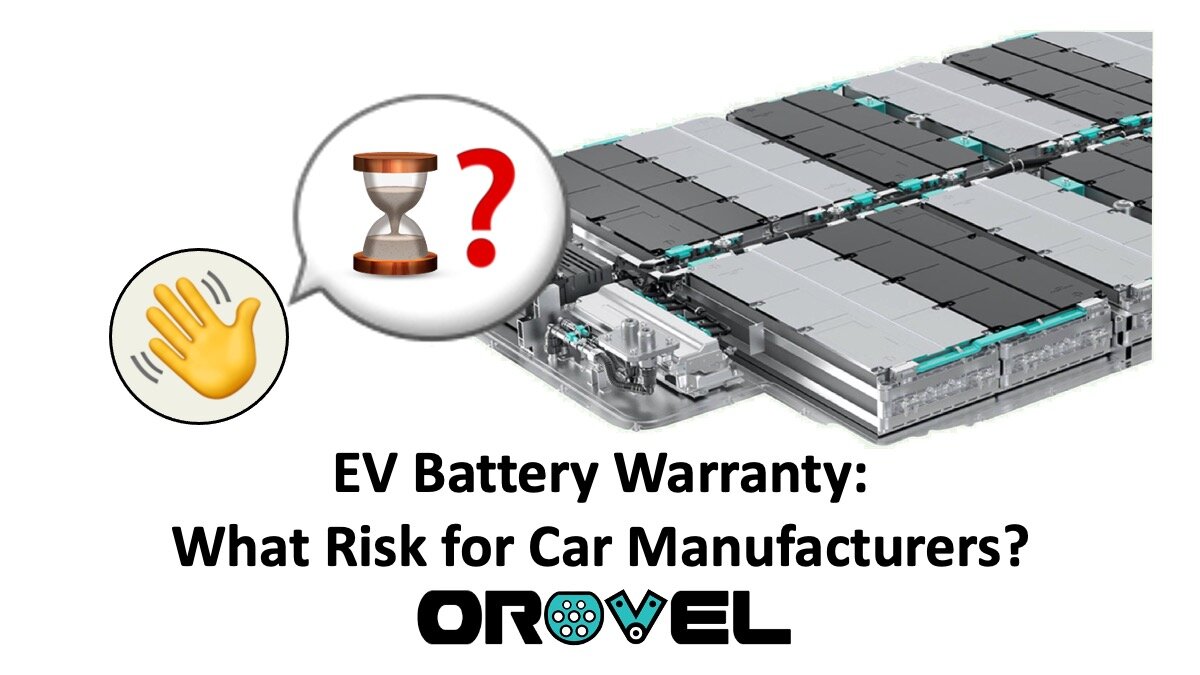
EV battery warranties protect your battery for a set time or mileage. After this period ends, options exist to keep your battery working well. These choices help extend the battery’s life or manage it safely.
Battery Refurbishment Services
Refurbishment services restore used batteries. Experts replace worn-out cells and improve battery health. This service costs less than buying a new battery. It helps maintain your vehicle’s performance and saves money.
Extended Warranty Plans
Extended warranties offer extra coverage after the original ends. They protect against unexpected battery failures. These plans give peace of mind and reduce repair costs. You can often buy them before the original warranty expires.
Recycling And Disposal
Proper recycling keeps harmful materials out of the environment. Many centers accept old EV batteries for safe processing. Recycling recovers valuable metals to use again. Dispose of batteries responsibly to protect nature and comply with laws.
Credit: www.orovel.net
Choosing The Right Ev Battery Warranty
Choosing the right EV battery warranty is important for your peace of mind and savings. Your battery is the heart of your electric vehicle. Its performance affects how far and how well your car runs. A good warranty protects you from costly repairs and replacements. Knowing what to check helps you pick the best warranty for your needs.
Comparing Warranty Terms
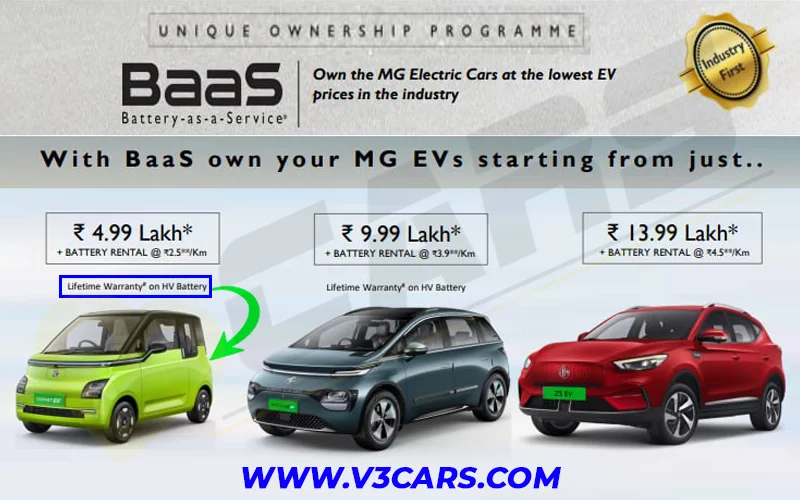
Look closely at what each warranty covers. Some offer coverage for a certain number of years or miles. Others may cover only battery capacity loss beyond a specific percentage. Check if the warranty includes parts and labor costs. Notice any conditions or limits that could affect claims. Clear terms mean fewer surprises later.
Evaluating Manufacturer Reputation
Trustworthy manufacturers often provide better warranties. They stand behind their products and offer reliable support. Research customer reviews and ratings for battery performance and warranty service. A strong reputation suggests fewer battery problems and easier claim processes. Choose brands known for quality and good customer care.
Considering Third-party Warranties
Third-party warranties can offer extra coverage beyond the manufacturer’s plan. They might cover wear and tear or longer periods. Check if the provider is reputable and financially stable. Read the fine print to understand what is included and excluded. Third-party plans can be a smart backup option.
Credit: www.v3cars.com
Frequently Asked Questions
What Is The Typical Warranty Period For Ev Batteries?
Most EV batteries come with a warranty of 8 to 10 years. This covers defects and significant capacity loss. It helps protect your investment.
What Does An Ev Battery Warranty Usually Cover?
The warranty covers battery defects and capacity drops below a set level. It does not cover damage from accidents or misuse. Check your specific warranty for details.
Can Ev Battery Warranty Be Transferred To A New Owner?
Many manufacturers allow transferring the battery warranty to a new owner. This adds value when selling your EV. Always confirm transfer rules with the dealer.
How Is Ev Battery Capacity Loss Measured For Warranty Claims?
Capacity loss is tested by measuring the battery’s energy storage compared to new. If it falls below a certain percentage, the warranty may cover repairs. Exact limits vary by brand.
Does Regular Maintenance Affect Ev Battery Warranty Validity?
Following manufacturer maintenance guidelines keeps your warranty valid. Ignoring care instructions might void coverage. Simple steps like avoiding deep discharges help maintain warranty protection.
Conclusion
EV battery warranties protect your investment and offer peace of mind. They cover defects and battery capacity loss over time. Knowing warranty terms helps avoid unexpected costs. Always check warranty length and coverage before buying. This ensures your electric vehicle stays reliable longer.
A good warranty supports your switch to cleaner driving. Keep your battery healthy by following care tips. This saves money and extends battery life. Choosing the right EV means understanding warranty details well. Stay informed and drive with confidence.