
If you’re curious about what powers your electric vehicle’s battery, understanding EV cathode materials is key. These materials play a huge role in how far your car can go, how fast it charges, and how long the battery lasts.
But what exactly are they, and why should you care? This article will break down everything you need to know about EV cathode materials in simple terms, helping you make smarter choices about your electric vehicle’s performance and future. Keep reading, and discover the secret behind your EV’s power and potential.
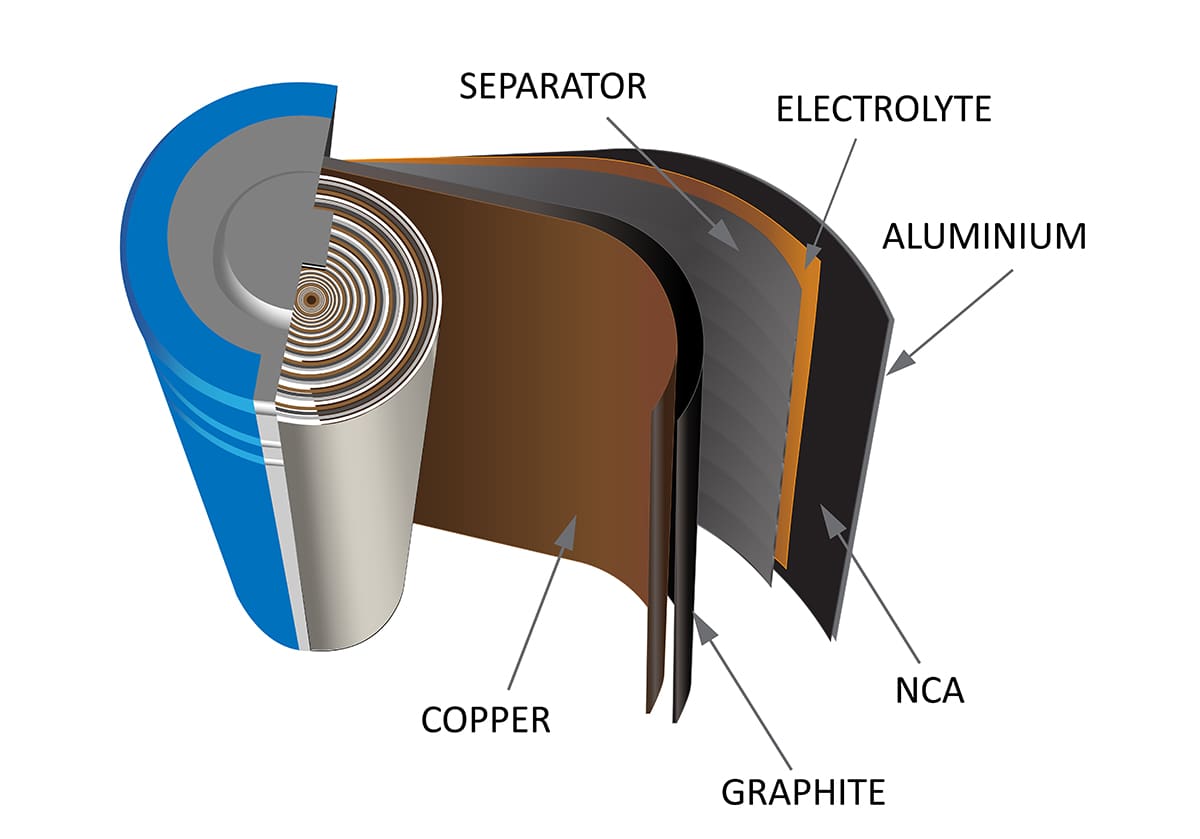
Credit: chargedevs.com
Ev Cathode Material Basics
EV cathode materials are key parts of electric vehicle batteries. They store and release energy during driving and charging. The choice of cathode material affects battery life, range, and safety. Understanding these basics helps to know how EV batteries work.
Different cathode materials have different strengths and weaknesses. They influence how much energy the battery holds and how fast it can charge. Knowing these details helps in choosing the right battery for electric vehicles.
Role In Battery Performance
The cathode controls the battery’s capacity and power output. It stores lithium ions, which move during charging and use. Strong cathode materials improve battery life and stability. They also affect how fast the battery charges and discharges. A good cathode helps prevent overheating and damage.
Common Cathode Types
Many cathode materials exist, each with unique features. Lithium Nickel Manganese Cobalt Oxide (NMC) is popular for balanced performance. Lithium Iron Phosphate (LFP) offers safety and long life. Lithium Cobalt Oxide (LCO) provides high energy but lower lifespan. Each type suits different electric vehicle needs.

Credit: research.gatech.edu
Recent Breakthroughs
Recent breakthroughs in EV cathode materials have brought exciting progress. These advances improve battery life, safety, and cost. The focus is on better performance and greener options. Researchers explore new formulas that store more energy and last longer. These innovations support the shift to electric vehicles worldwide.
High-nickel Cathodes
High-nickel cathodes offer higher energy density. They store more charge in the same battery size. This means longer driving range for electric cars. Scientists reduce cobalt content to lower costs. New methods improve stability and safety of these cathodes. This helps batteries last through many charge cycles.
Solid-state Compatible Materials
Solid-state batteries promise safer, more powerful energy storage. Researchers develop cathode materials that work well with solid electrolytes. These materials allow faster charging and less risk of fire. They also help batteries perform better in cold weather. New cathodes support solid-state designs without losing energy capacity.
Sustainable And Low-cobalt Options
Reducing cobalt use is a top priority. Cobalt mining raises ethical and environmental concerns. New cathode materials use less or no cobalt. These options remain strong and reliable for EVs. They also lower battery costs and improve supply chain stability. Sustainable materials help make electric vehicles greener overall.
Impact On Ev Battery Tech
The impact of EV cathode materials on electric vehicle battery technology is significant. These materials shape how batteries perform and last. Innovations in cathode chemistry drive progress in energy storage. This progress affects many aspects of EV batteries, making them better for users.
Energy Density Improvements
Cathode materials play a key role in increasing energy density. Higher energy density means more power stored in the same battery size. This leads to longer driving ranges for electric vehicles. New cathode formulations allow batteries to hold more charge. This improvement helps reduce range anxiety among EV owners.
Battery Lifespan Enhancements
Better cathode materials also extend battery lifespan. They reduce the wear and tear during charge and discharge cycles. This means batteries can last for more miles and years. Improved stability in cathode chemistry helps prevent capacity loss. Longer battery life lowers the total cost of owning an EV.
Fast Charging Capabilities
Fast charging depends heavily on cathode material properties. Advanced materials can handle higher charging currents safely. This reduces the time needed to recharge EV batteries. Faster charging adds convenience for drivers on the go. It also supports wider adoption of electric vehicles by easing charging challenges.

Credit: www.energy-storage.news
Challenges In Cathode Development
Cathode materials are crucial for electric vehicle batteries. They affect battery life, safety, and performance. Developing better cathodes is not easy. Several challenges slow down progress and increase costs. These challenges impact the entire battery industry.
Material Stability Issues
Many cathode materials lose stability during charging cycles. This causes capacity to drop quickly. Some materials degrade under high temperatures. This reduces battery lifespan and safety. Finding stable materials that last long is tough.
Cost And Scalability
High-quality cathode materials often use rare metals. These metals are expensive and hard to get. Producing cathodes on a large scale raises costs. Manufacturers must balance price with performance. Affordable and scalable solutions remain a challenge.
Environmental Concerns
Mining metals for cathodes harms the environment. It causes pollution and habitat loss. Recycling cathode materials is complex and costly. New methods to reduce environmental impact are needed. Sustainable cathode development is essential for green energy.
Future Trends
The future of EV cathode materials holds exciting possibilities. Advances in science and technology will improve battery performance. These trends focus on making batteries safer, cheaper, and longer-lasting. The industry will see new materials, better integration, and more recycling efforts.
Next-gen Cathode Innovations
New cathode materials aim to increase energy density. Researchers explore alternatives like lithium-rich and solid-state cathodes. These materials offer better stability and higher capacity. They also reduce reliance on rare metals. This shift could lower costs and environmental impact.
Integration With Battery Systems
Future cathodes will work closely with battery management systems. This helps control charging and temperature. Smart systems improve battery life and safety. Integration also supports faster charging and better performance. Batteries will become more efficient and reliable.
Recycling And Circular Economy
Recycling cathode materials will grow in importance. Recovering metals reduces waste and saves resources. Companies will develop better recycling technologies. This supports a circular economy in the EV industry. It helps make electric vehicles more sustainable and affordable.
Frequently Asked Questions
What Are Ev Cathode Materials Used For?
EV cathode materials store and release energy in electric vehicle batteries. They help batteries hold charge and deliver power.
Which Materials Are Common In Ev Cathodes?
Common cathode materials include lithium cobalt oxide, lithium iron phosphate, and nickel manganese cobalt. Each offers different performance and cost.
How Do Cathode Materials Affect Ev Battery Life?
Better cathode materials improve battery life by reducing wear and maintaining capacity. They also support more charging cycles.
Why Is Lithium Important In Ev Cathode Materials?
Lithium ions move between cathode and anode to create electric current. Its lightweight and energy density make it ideal.
Can Ev Cathode Materials Impact Vehicle Range?
Yes, higher quality cathode materials increase energy storage. This helps EVs travel longer distances on a single charge.
Conclusion
Choosing the right EV cathode materials affects battery life and performance. They help store and release energy efficiently. Different materials offer unique benefits and challenges. Understanding these options guides better electric vehicle choices. Advances continue to improve battery safety and power.
As technology grows, expect cleaner and longer-lasting batteries. EV cathode materials play a key role in this progress. Keep learning to stay informed about these important parts.