
You probably know how important electric vehicles (EVs) are for a cleaner future. But have you thought about what happens to their batteries when they reach the end of their life?
EV battery recycling is a crucial step that affects not just the environment but also your health and wallet. Understanding how these batteries are recycled can help you make smarter choices and support a greener planet. Keep reading to discover why EV battery recycling matters and how it impacts you directly.

Credit: www.generalkinematics.com
Ev Battery Lifecycle
The EV battery lifecycle is a key part of electric vehicle sustainability. It starts with raw materials, moves through manufacturing and use, and ends with recycling or disposal. Understanding this lifecycle helps reduce waste and recover valuable materials. Each stage affects the environment and the economy.
Battery Composition And Materials
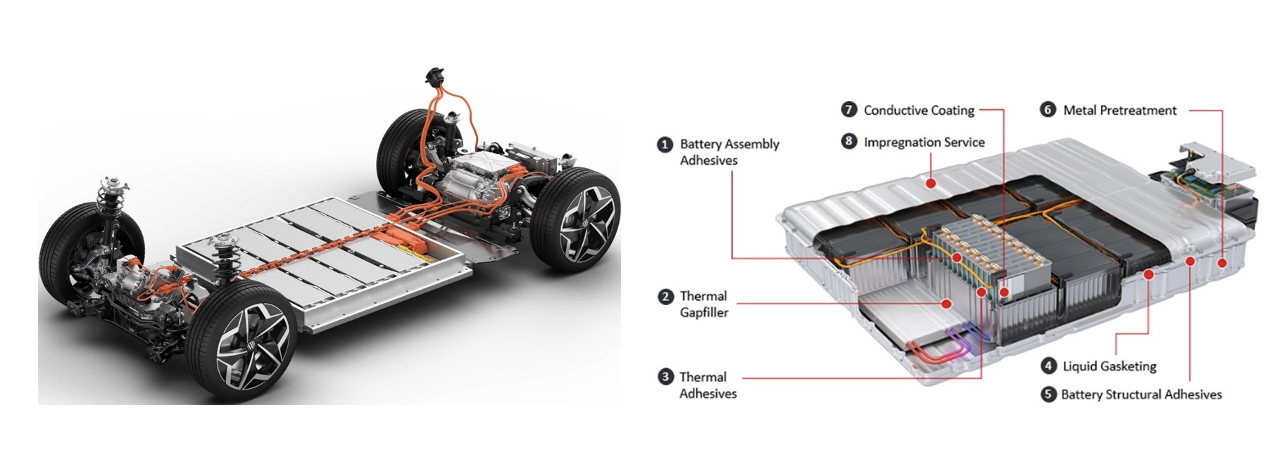
EV batteries contain metals like lithium, cobalt, nickel, and manganese. These materials store and release energy to power the vehicle. The battery also includes graphite, aluminum, and copper parts. These materials come from mining and need careful handling to avoid pollution.
Common Battery Types In Evs
Most EVs use lithium-ion batteries. They offer high energy density and long life. Variations include lithium iron phosphate and nickel manganese cobalt batteries. Each type has different costs, performance, and recycling needs. The choice affects the battery’s impact on the environment.
End-of-life Challenges
EV batteries lose capacity after years of use. Disposing of old batteries is difficult due to toxic chemicals inside. Recycling is complex but essential to recover metals and reduce waste. Safe collection, transport, and processing remain big challenges globally.
Recycling Processes
Recycling processes for EV batteries involve several important steps. Each step helps recover valuable materials safely and efficiently. These methods reduce waste and protect the environment. Understanding these processes shows how old batteries become new resources.
Collection And Sorting Methods
First, used EV batteries are collected from different sources. These include car repair shops, recycling centers, and manufacturers. Sorting is key. Batteries are grouped by type, size, and condition. Proper sorting helps choose the best recycling method. It also prevents mixing harmful materials.
Mechanical Recycling Techniques
Mechanical recycling breaks down batteries into smaller parts. Machines crush and shred the batteries safely. This process separates metals, plastics, and other components. It prepares materials for further treatment. Mechanical recycling is cost-effective and limits chemical use.
Hydrometallurgical Processes
Hydrometallurgy uses liquids to extract metals from battery parts. Chemicals dissolve metals like lithium, cobalt, and nickel. These metals can be purified and reused. This method works at low temperatures. It consumes less energy and produces fewer emissions.
Pyrometallurgical Methods
Pyrometallurgy involves high heat to recover metals from batteries. Batteries are melted in a furnace to separate metal layers. This method extracts valuable metals quickly. It can handle large volumes of batteries. However, it requires careful control to reduce pollution.
Environmental Impact
Electric vehicle (EV) batteries need proper care after use. Recycling them helps protect the environment. It reduces harmful waste and saves resources. The process lowers pollution and supports a cleaner planet. Understanding the environmental impact of EV battery recycling shows why it matters.
Reducing Waste And Pollution
EV batteries contain materials that can harm nature. Throwing them away causes soil and water pollution. Recycling keeps these toxic elements out of landfills. It turns old batteries into useful raw materials. This reduces waste and prevents pollution in communities.
Energy Savings From Recycling
Making new battery parts uses a lot of energy. Recycling old batteries saves energy by reusing metals. It takes less power than mining and refining new materials. This helps cut down overall energy use. Energy savings mean less strain on natural resources.
Lowering Carbon Footprint
Recycling EV batteries reduces greenhouse gas emissions. It lowers carbon output linked to battery production. Using recycled materials means fewer emissions from mining and processing. This helps fight climate change. Every recycled battery supports a healthier Earth.

Credit: www.youtube.com
Economic Benefits
Electric vehicle battery recycling offers many economic benefits. It supports resource recovery, creates jobs, and reduces costs. These advantages help build a stronger and greener economy.
Recovering Valuable Materials
Recycling EV batteries recovers metals like lithium, cobalt, and nickel. These materials are rare and expensive to mine. Recycling reduces the need for new mining. It saves money and lowers environmental damage. Companies can reuse these metals to make new batteries. This process also stabilizes material prices in the market.
Job Creation In Recycling Sector
The recycling industry creates many new jobs. Workers are needed for collection, dismantling, and processing of batteries. Skilled technicians handle safe battery disposal and recovery. These jobs boost local economies and support families. The sector also encourages training and technology growth. More recycling means more employment opportunities.
Cost Efficiency And Market Potential
Recycling lowers the cost of battery production. Using recycled materials is cheaper than new ones. This makes electric vehicles more affordable for consumers. The recycling market grows as EV sales increase worldwide. Companies investing in recycling gain competitive advantages. This industry also attracts new business and innovation. The cycle creates a positive economic impact.
Technological Innovations
Technological innovations are shaping the future of EV battery recycling. These advances help recover valuable materials efficiently. They reduce waste and lower environmental impact. New methods also make recycling safer and cheaper. Innovations focus on sorting, material recovery, and battery design. These areas improve the entire recycling process.
Advanced Sorting Technologies
Sorting is the first step in recycling EV batteries. New technologies use sensors and machines to identify battery types quickly. These machines separate batteries by chemistry and size. This precise sorting prevents contamination and improves recycling quality. It also speeds up the process, saving time and money.
Improved Material Recovery
Recovering materials like lithium, cobalt, and nickel is key. Modern methods use chemical and mechanical processes to extract more materials. These methods reduce the loss of valuable metals. They lower the need for mining new resources. Cleaner recovery techniques help protect the environment.
Battery Design For Easier Recycling
Manufacturers now design batteries with recycling in mind. They use parts that are easier to separate and process. Simplified battery structures reduce recycling complexity. This design approach cuts down recycling costs and time. It encourages more recycling and less waste overall.
Policy And Regulation
Policies and regulations shape how electric vehicle (EV) battery recycling works worldwide. They create rules to manage waste safely and reduce pollution. Clear guidelines help companies recycle batteries properly and protect the environment. Governments also push for better recycling through laws and programs. These rules make recycling more efficient and encourage innovation in the field.
Global Recycling Standards
Countries set global recycling standards to keep battery recycling safe and effective. These standards define how to collect, transport, and process used EV batteries. They help prevent harmful chemicals from leaking into the environment. Common rules also support fair trade of recycled materials. Global standards make it easier for companies to work across borders.
Incentives For Sustainable Practices
Governments offer incentives to promote green recycling methods. These include tax breaks, grants, and subsidies for recycling businesses. Incentives reduce costs and encourage new recycling technologies. They also support companies that use recycled materials in new products. Such support helps make recycling more affordable and widespread.
Extended Producer Responsibility
Extended Producer Responsibility (EPR) makes battery makers responsible for their products. Producers must collect and recycle batteries after use. EPR laws ensure companies take back old batteries from consumers. This reduces waste and increases recycling rates. EPR drives manufacturers to design batteries that are easier to recycle.
Future Trends
The future of EV battery recycling is full of new ideas and changes. These trends aim to reduce waste and make the most of old batteries. They also support cleaner energy and help the environment.
Second-life Battery Applications
Old EV batteries still hold useful power. They can be used again in less demanding roles. For example, these batteries can store energy for homes or businesses. This extends their life and lowers costs. It also reduces the need for new batteries.
Circular Economy Models
Circular economy models focus on reusing materials. Batteries are designed to be easily recycled. Parts and materials go back into making new batteries. This cuts down on mining and waste. It keeps valuable resources in use longer.
Integration With Renewable Energy Systems
Recycled batteries play a key role in renewable energy. They store power from solar and wind sources. This helps balance energy supply and demand. Using recycled batteries lowers the cost of clean energy. It supports a more sustainable energy future.
Credit: recyclinginside.com
Frequently Asked Questions
What Is Ev Battery Recycling And Why Is It Important?
EV battery recycling means reusing parts of used electric car batteries. It helps save resources and reduces waste that harms the environment. Recycling also lowers the need for mining new materials.
How Does The Ev Battery Recycling Process Work?
First, batteries are collected and safely taken apart. Useful materials like lithium, cobalt, and nickel are separated. These materials are then cleaned and made ready for new batteries.
Can Recycled Batteries Be Used Again In Electric Vehicles?
Yes, recycled materials can make new batteries for electric cars. The quality is good enough to keep vehicles working well. This helps reduce the cost of new batteries.
Where Can I Recycle My Electric Vehicle Battery?
Many car dealers and recycling centers accept old EV batteries. Some cities have special collection points for safe disposal. Check local guidelines to find the nearest recycling spot.
What Are The Environmental Benefits Of Recycling Ev Batteries?
Recycling lowers pollution by reducing mining and waste. It saves energy because producing new materials uses more power. This helps protect nature and reduces harmful greenhouse gases.
Conclusion
Recycling EV batteries helps protect our planet and saves resources. It reduces harmful waste and cuts pollution from mining. Recycling also supports the growing electric vehicle industry. Everyone can play a part by choosing proper recycling methods. Small actions lead to big environmental benefits.
Let’s care for our future by recycling EV batteries today. Cleaner energy and healthier Earth start with us.