
Have you ever wondered how solid state batteries get their power? If you’re curious about the future of battery technology and how these tiny energy packs work, you’re in the right place.
Understanding how solid state batteries charge can change the way you think about your devices and electric vehicles. By the end of this article, you’ll know exactly what makes these batteries different and why their charging process matters for your everyday life.
Keep reading to unlock the secrets behind this exciting technology.
Basics Of Solid State Batteries
Solid state batteries use a new type of technology for storing energy. They differ from regular batteries by using solid materials instead of liquid or gel electrolytes. This change makes them safer and often more efficient. Understanding the basics helps to see how they charge and work.
The solid electrolyte inside these batteries allows ions to move between the battery’s electrodes. This movement is key to storing and releasing energy. The design also supports faster charging and longer battery life.
Key Components
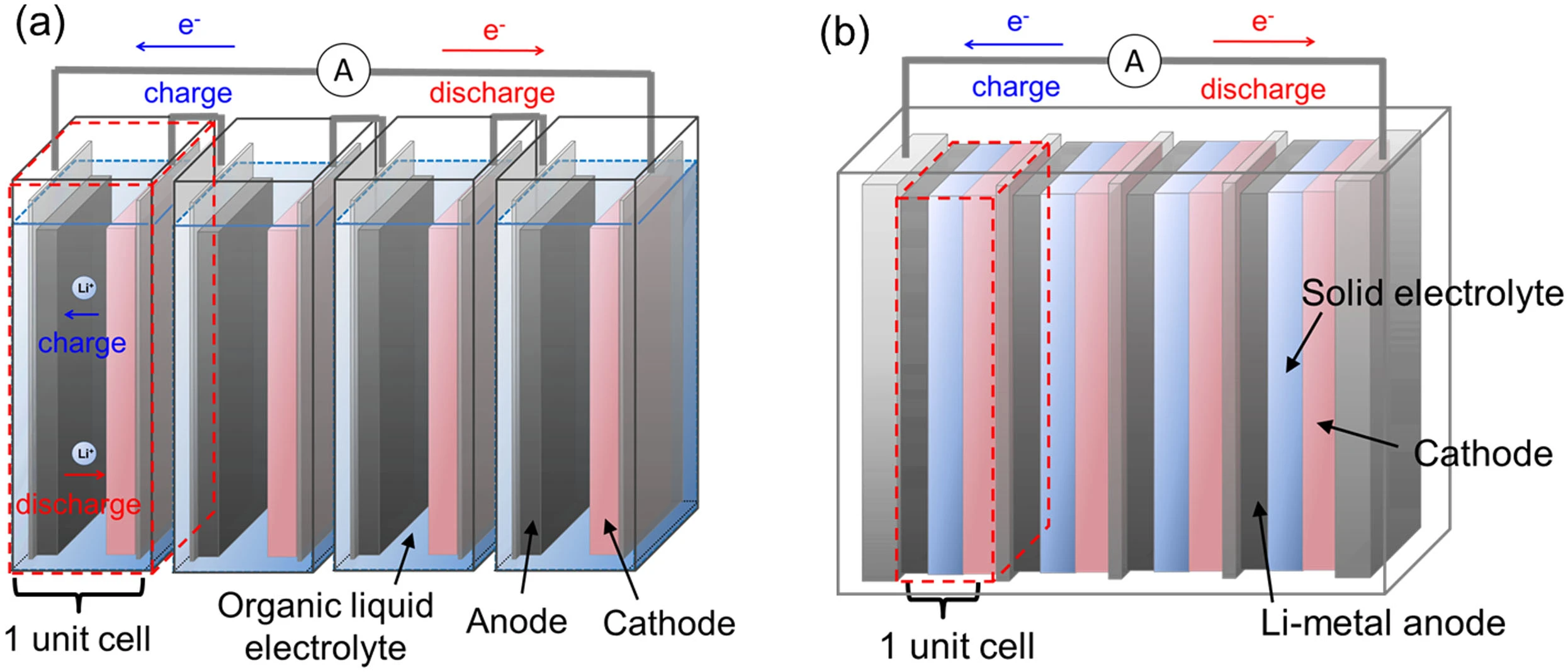
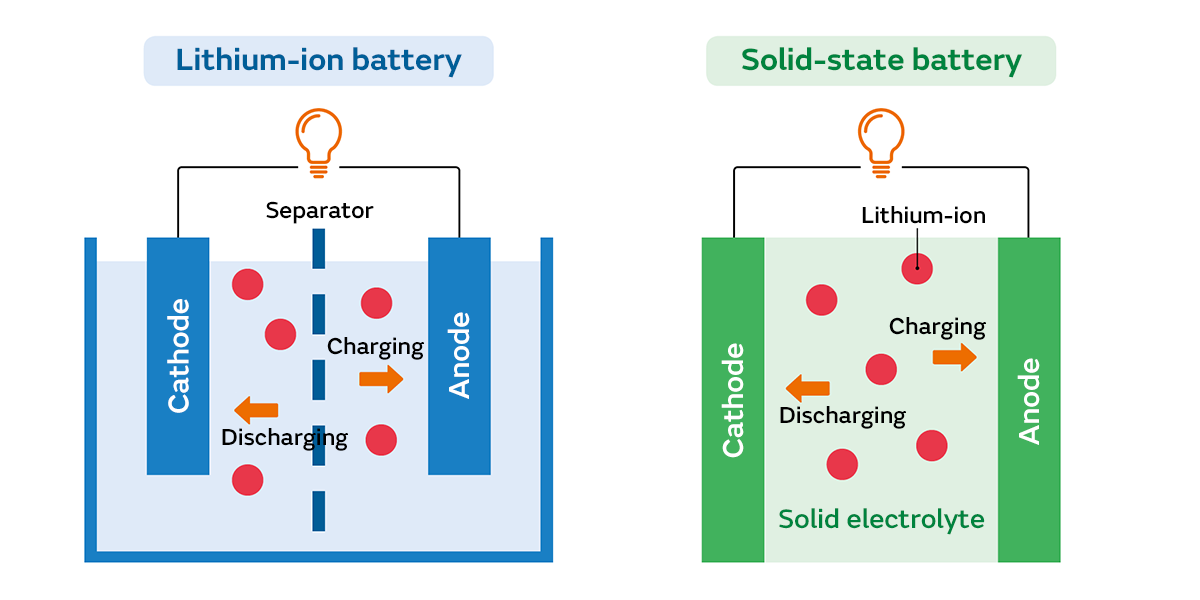
Solid state batteries have three main parts. First, the anode, which releases ions during discharge. Second, the cathode, which accepts ions during charging. Third, the solid electrolyte, which lets ions move but blocks electrons. This setup reduces risks of leaks and fires.
Advantages Over Traditional Batteries
Solid state batteries last longer than traditional ones. They hold more energy in the same space. The solid electrolyte is safer, lowering fire risks. They also charge faster and work better in different temperatures. These benefits make them good for many devices and electric cars.

Credit: futurebatterylab.com
Charging Mechanisms
Solid state batteries charge through a unique process different from liquid batteries. The charging depends on how ions move inside the solid materials. Understanding this movement helps explain how energy is stored and released.
The process involves the interaction between ions and the battery’s electrodes. These parts work together to allow charging and discharging. The efficiency of this mechanism affects the battery’s power and lifespan.
Ion Movement In Solid Electrolytes
In solid state batteries, ions travel through a solid electrolyte. This electrolyte replaces the liquid found in traditional batteries. Ions move from one electrode to another during charging.
The solid electrolyte must allow ions to pass easily. It acts as a bridge for the ions to move across. The speed and smoothness of ion movement impact charging time and battery efficiency.
Role Of Electrodes
Electrodes are the battery’s terminals where ions enter and leave. One electrode releases ions during charging. The other electrode accepts ions and stores them safely.
Materials used in electrodes affect how well the battery charges. Good electrodes support fast ion transfer and prevent damage. Their design is crucial for strong, long-lasting batteries.
Fast Charging Techniques
Fast charging is essential for solid state batteries to meet modern energy demands. These batteries require special methods to charge quickly without damage. Fast charging techniques focus on managing energy flow and battery health. This section explains key methods used to charge solid state batteries faster and safer.
Pulse Charging
Pulse charging sends energy in short bursts instead of a steady flow. This allows the battery to absorb charge quickly and cool down between pulses. It reduces stress on the battery’s materials. Pulse charging helps avoid overheating and extends battery life.
Temperature Control
Battery temperature affects charging speed and safety. Keeping the battery cool during fast charging prevents damage. Systems use sensors to monitor and control temperature. Cooling mechanisms like fans or liquid cooling keep heat low. Stable temperature helps maintain battery performance and lifespan.
Voltage Optimization
Voltage must be carefully managed during fast charging. Too high voltage can harm the battery. Too low voltage slows charging speed. Optimizing voltage ensures the battery receives the right power level. This balance improves charging efficiency and protects the battery.
Challenges In Fast Charging
Fast charging solid state batteries is not easy. It involves many technical challenges. These challenges can reduce battery life and affect safety. Understanding these problems helps improve battery design and use.
Dendrite Formation
Dendrites are tiny, needle-like structures. They grow inside the battery during fast charging. These can pierce the solid electrolyte. This causes short circuits and battery failure. Preventing dendrites is a major challenge in fast charging.
Heat Management
Fast charging generates heat quickly. Excess heat can damage battery components. It also reduces battery efficiency. Managing heat requires advanced cooling systems. Without good heat control, batteries can overheat and become unsafe.
Material Degradation
Charging quickly stresses battery materials. This leads to cracks and wear. Over time, the battery capacity drops. Material degradation reduces the battery’s lifespan. Finding stronger materials is key to better fast charging.
Innovations Enhancing Charging Speed
Charging speed is a key focus in solid state battery development. Faster charging saves time and improves user experience. Scientists and engineers explore new ways to make charging quicker and safer. Several innovations are helping reduce charging times without damaging the battery.
Advanced Electrolyte Materials
New electrolyte materials allow ions to move faster inside the battery. Solid electrolytes with high conductivity reduce resistance during charging. These materials help batteries accept higher currents safely. This leads to quicker charging without overheating or short circuits.
Researchers test ceramics and polymers that improve ion flow. Some materials are more stable and work well at room temperature. Using these electrolytes enhances battery life while speeding up the charge process.
Smart Charging Systems
Smart chargers use sensors to monitor battery health in real-time. They adjust the charging current based on the battery’s condition. This prevents overcharging and reduces charging time. Intelligent systems optimize energy flow and protect battery cells.
These systems can slow charging when needed or speed it up safely. They also communicate with devices to provide the best power delivery. Smart charging improves efficiency and extends battery lifespan.
Nanotechnology Applications
Nanotechnology changes battery components at a tiny scale. It creates materials with larger surface areas for faster ion exchange. Nanostructured electrodes allow quicker charging and discharging. This innovation helps batteries charge in minutes instead of hours.
Nanomaterials improve conductivity and reduce resistance inside the battery. They make batteries lighter and more durable as well. Using nanotechnology supports faster charging while maintaining safety and stability.
Credit: www.qurator.com
Practical Applications
Solid state batteries charge through a process similar to traditional batteries but with key differences. They use a solid electrolyte instead of liquid, making charging safer and faster. The solid material allows ions to move quickly, improving efficiency. These features make solid state batteries ideal for many uses.
Electric Vehicles
Electric vehicles benefit from solid state batteries by gaining longer range. They charge faster, reducing waiting times at charging stations. The solid electrolyte lowers fire risks in crashes. This makes electric cars safer and more reliable for daily use.
Portable Electronics
Solid state batteries are perfect for phones and laptops. They allow devices to hold charge longer and charge quickly. Smaller size means thinner and lighter gadgets. Users enjoy longer use and less frequent charging, improving convenience.
Grid Storage
Energy storage for power grids also uses solid state batteries. They store excess energy from solar and wind power. Their durability helps in long-term use without many replacements. This supports stable and clean energy supply to homes and businesses.
Future Trends In Solid State Charging
Solid state batteries are changing how we charge energy storage devices. Their future holds many new trends that will improve charging speed, safety, and efficiency. These trends focus on better battery designs, using clean energy, and making these batteries available to more people.
Next-generation Battery Designs
New designs aim to make solid state batteries charge faster. Scientists are exploring different materials that allow more ions to move quickly. This reduces charging time and increases battery life. Smaller, thinner batteries are also in development. They fit better in devices and vehicles. These designs help batteries hold more power and stay safe during charging.
Integration With Renewable Energy
Solid state batteries work well with solar and wind energy. They store energy from these sources for use later. This reduces dependence on fossil fuels. Smart systems can manage charging based on energy availability. This makes charging more efficient and eco-friendly. It supports a cleaner and greener future for energy use.
Commercialization Prospects
More companies are investing in solid state battery production. Manufacturing costs are slowly going down. This will bring these batteries to everyday products. Electric cars and portable devices will benefit first. Wider availability means more people can use safer, longer-lasting batteries. The market for solid state batteries is expected to grow rapidly.
Credit: article.murata.com
Frequently Asked Questions
How Do Solid State Batteries Charge Differently?
Solid state batteries use a solid electrolyte instead of liquid. This makes charging safer and faster. The solid layer helps ions move more efficiently.
Can I Use Regular Chargers For Solid State Batteries?
Most solid state batteries work with standard chargers. But some need specific voltage or current settings. Always check the device’s charger recommendations.
What Affects The Charging Speed Of Solid State Batteries?
Charging speed depends on battery design and temperature. Solid electrolytes allow quicker ion flow, speeding up charging. Cooler temperatures may slow the process.
Are Solid State Batteries Safer During Charging?
Yes, solid state batteries reduce risks of leaks and fires. The solid electrolyte is more stable than liquid ones. This makes charging safer overall.
How Long Does It Take To Fully Charge Solid State Batteries?
Charging time varies by battery size and charger type. Many can charge faster than traditional lithium-ion batteries. Expect times from 30 minutes to a few hours.
Conclusion
Solid state batteries charge by moving ions through a solid electrolyte. This process is safer and more stable than liquid batteries. They charge faster and hold energy longer. Understanding how they work helps us see their potential. As technology improves, these batteries may become common in many devices.
Simple steps keep them charged and healthy. Watching this space shows exciting changes ahead.