
Have you ever wondered if the lithium batteries powering your devices can be recharged? Knowing the answer could save you money and help you make smarter choices for your gadgets.
Whether you’re using a smartphone, laptop, or a remote control, understanding how lithium batteries work is key to getting the most out of them. You’ll discover the truth about lithium batteries and learn how to use them efficiently. Keep reading to unlock simple tips that can extend your battery life and keep your devices running longer.
Credit: na.panasonic.ca
Lithium Battery Basics
Lithium batteries power many devices we use daily. They are popular because they store a lot of energy in a small size. Understanding how these batteries work helps us use them better. This section covers the basics of lithium batteries.
Types Of Lithium Batteries
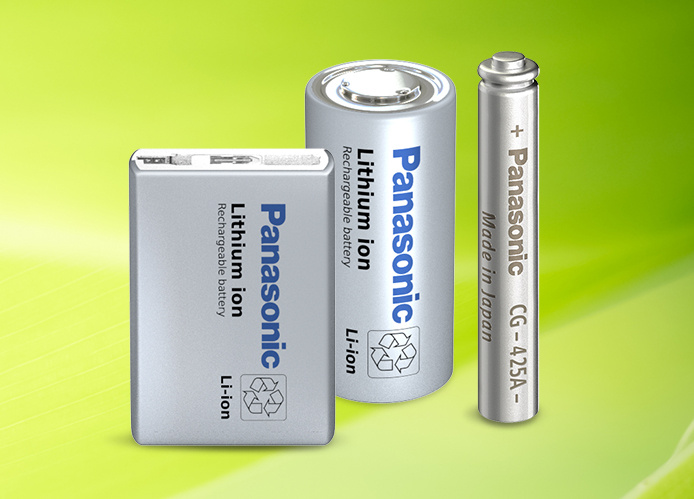
There are two main types of lithium batteries: rechargeable and non-rechargeable. Rechargeable lithium batteries are called lithium-ion or lithium-polymer. They can be charged many times. Non-rechargeable types are called lithium primary batteries. They cannot be recharged and must be replaced after use.
Rechargeable lithium-ion batteries are common in phones, laptops, and electric cars. Lithium primary batteries are often used in watches, calculators, and small devices.
How Lithium Batteries Work
Lithium batteries create energy through chemical reactions inside the cell. When the battery powers a device, lithium ions move from one electrode to another. This movement creates an electric current.
In rechargeable batteries, this process is reversible. Charging pushes lithium ions back to their starting point. This lets the battery store energy again for future use. Non-rechargeable batteries cannot reverse this process.
Credit: www.eblofficial.com
Rechargeability Of Lithium Batteries
Lithium batteries are popular for many devices. Their power and size make them useful everywhere. A key question is whether these batteries can be recharged. Understanding their rechargeability helps choose the right battery for each need.
Not all lithium batteries can be recharged. Some are made for one-time use. Others can be used many times with proper charging. Knowing the difference saves money and avoids damage.
Which Lithium Batteries Are Rechargeable
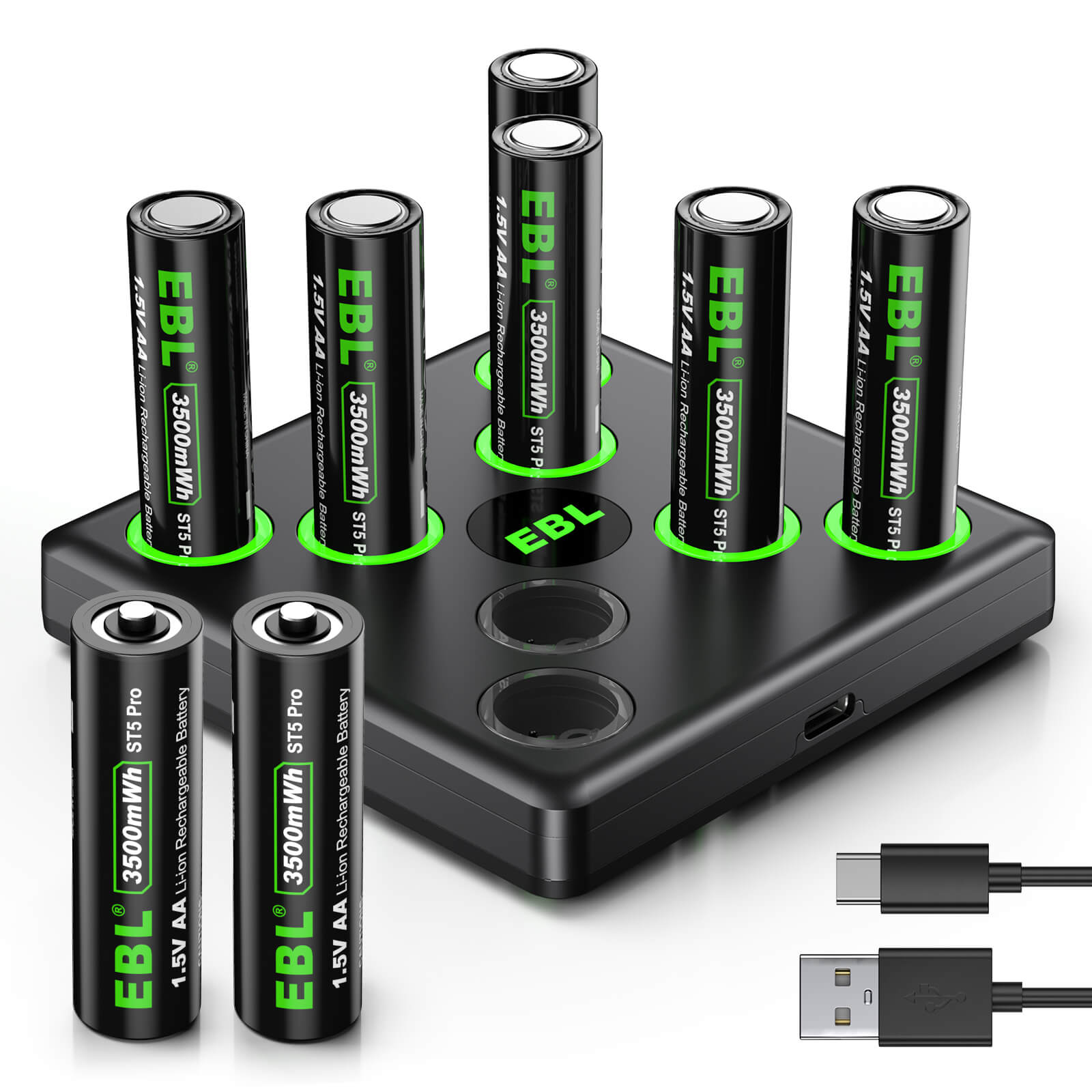
Rechargeable lithium batteries include lithium-ion (Li-ion) and lithium polymer (LiPo) types. These batteries are common in phones, laptops, and electric cars. They store energy and release it repeatedly. You can recharge them hundreds of times before they lose power.
Non-rechargeable lithium batteries, like lithium metal batteries, are often used in watches, cameras, and small devices. These batteries cannot be charged again. Trying to recharge them can cause leaks or fires.
Differences Between Rechargeable And Non-rechargeable
Rechargeable lithium batteries have a different internal design than non-rechargeable ones. Rechargeable types use lithium ions to move between electrodes. This process can be repeated many times.
Non-rechargeable lithium batteries use a chemical reaction that can only happen once. After the energy runs out, the battery is dead. These batteries are lighter and have a higher energy density, but cannot be reused.
Rechargeable batteries cost more but save money over time. Non-rechargeable batteries are cheaper but need frequent replacement. Choose based on device needs and usage habits.
Benefits Of Rechargeable Lithium Batteries
Rechargeable lithium batteries offer many advantages. They save money and help protect the planet. These batteries work well for daily use. Their long life makes them a smart choice for many devices.
Using rechargeable lithium batteries means fewer replacements. This reduces waste and lowers overall costs. They provide steady power and last through many charge cycles. These benefits make them popular in many fields.
Cost-effectiveness Over Time
Rechargeable lithium batteries cost more upfront. But they save money over time. You do not need to buy new batteries often. This reduces the total expense on power sources. The ability to recharge hundreds of times adds value.
Environmental Impact
These batteries produce less waste than single-use types. Fewer batteries end up in landfills or oceans. Rechargeable lithium batteries reduce pollution and resource use. Their longer life lowers the need for mining new materials. This helps conserve natural resources.
Performance And Longevity
Rechargeable lithium batteries hold power well. They deliver stable energy during use. Their lifespan outlasts many other battery types. This means fewer replacements and less hassle. Devices work better and longer with these batteries.
Common Uses For Rechargeable Lithium Batteries
Rechargeable lithium batteries power many devices and systems today. Their high energy and long life make them popular. These batteries appear in everyday items and advanced technology. Understanding where they are used helps to see their importance.
Consumer Electronics
Phones, tablets, and laptops rely on rechargeable lithium batteries. These batteries provide long usage times and quick charging. Wireless headphones and smartwatches also use them. Their light weight helps keep devices portable. Rechargeable lithium batteries keep gadgets working all day.
Electric Vehicles
Electric cars use large lithium battery packs for power. These batteries store energy to run motors efficiently. Bikes and scooters also use rechargeable lithium batteries. They allow electric vehicles to travel longer distances. Using lithium batteries reduces pollution from gas engines.
Renewable Energy Storage
Solar and wind power systems store energy in lithium batteries. These batteries hold energy for use when the sun is not shining. They help balance energy supply and demand. Rechargeable lithium batteries support clean, reliable energy systems. This use is growing as renewable energy expands.
Safety Tips For Rechargeable Lithium Batteries
Rechargeable lithium batteries power many devices today. They offer great energy but need careful handling. Safety is important to avoid damage or injury. Follow these tips to use batteries safely and extend their life.
Proper Charging Practices
Use the charger made for your battery. Avoid using cheap or wrong chargers. Charge batteries on a flat, hard surface. Keep an eye on them while charging. Do not charge overnight or for too long. Stop charging if the battery gets hot or swells.
Storage Guidelines
Store batteries in a cool, dry place. Avoid places with heat or direct sunlight. Keep batteries away from metal objects. Store them at about 40% charge for long periods. Check stored batteries regularly for damage or leaks. Do not store damaged or swollen batteries.
Handling And Disposal
Handle batteries with clean, dry hands. Avoid dropping or crushing them. Do not open or puncture batteries. Dispose of batteries at special recycling centers. Never throw them in the trash. Proper disposal helps protect the environment and safety.
Future Trends In Lithium Battery Technology
The future of lithium battery technology looks promising. Innovations aim to improve battery life, safety, and rechargeability. These changes could make batteries more efficient for everyday devices and electric vehicles. Scientists and engineers focus on creating batteries that last longer and charge faster.
Advancements In Rechargeability
New lithium battery designs improve how many times they can recharge. Researchers work on materials that reduce battery wear over time. These materials help keep battery capacity high after many charges. Faster charging methods also develop, cutting the wait time for full power. Safety features improve to prevent overheating during quick charges. These advancements make lithium batteries more reliable and user-friendly.
Emerging Alternatives
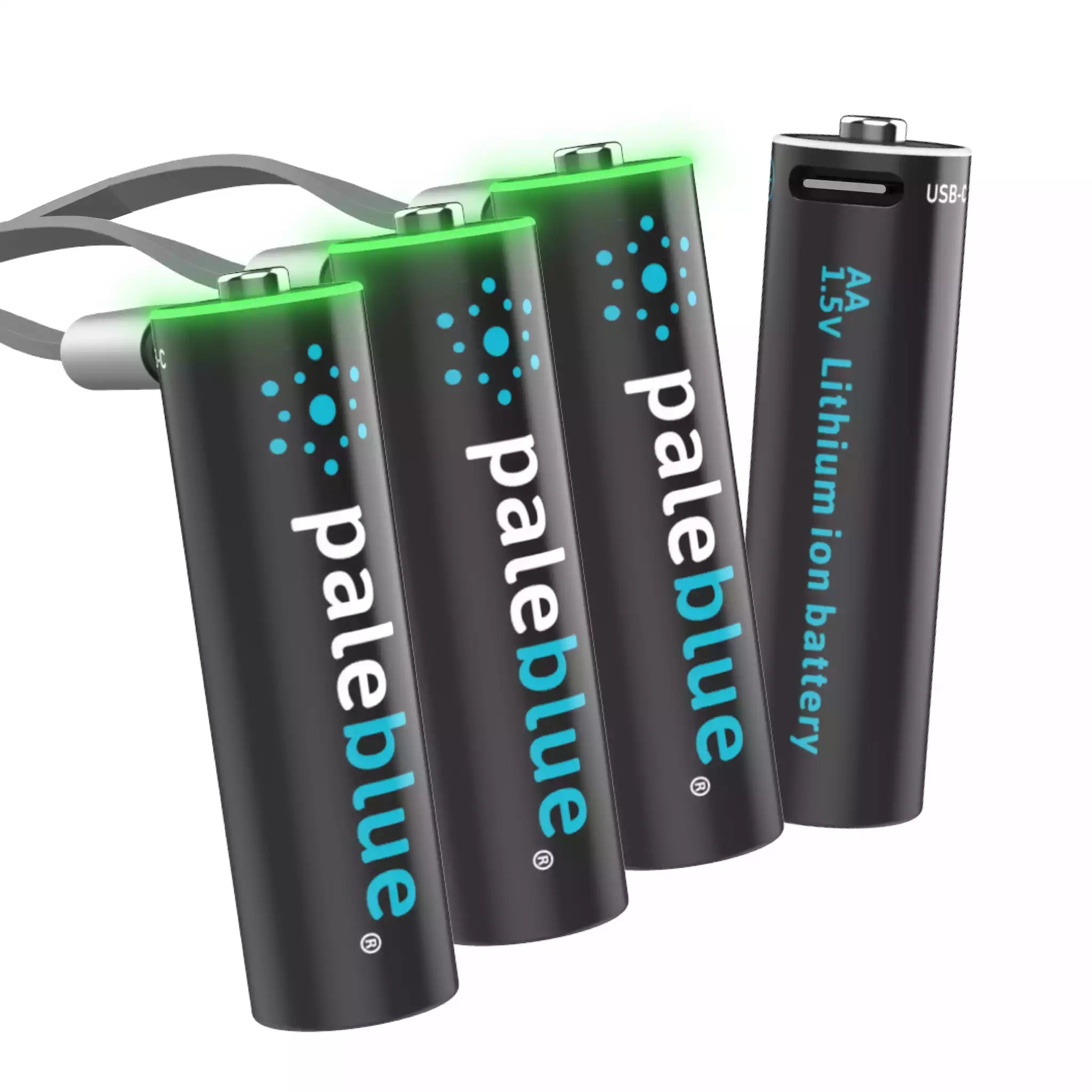
Scientists explore new types of batteries beyond traditional lithium-ion. Solid-state batteries use solid electrolytes for better safety and energy storage. Lithium-sulfur batteries promise lighter weight and higher capacity. Other options include sodium-ion batteries, which use cheaper materials. These alternatives may solve some limits of current lithium batteries. They offer hope for affordable, long-lasting energy storage in the future.
Credit: paleblueearth.com
Frequently Asked Questions
Are Lithium Batteries Rechargeable Or Single-use?
Lithium batteries come in two types: rechargeable and single-use. Rechargeable lithium batteries can be used many times. Single-use lithium batteries must be thrown away after one use.
How Do Rechargeable Lithium Batteries Work?
Rechargeable lithium batteries store energy using lithium ions. When charging, ions move from the battery’s positive to negative side. During use, ions move back, creating electric power.
What Devices Use Rechargeable Lithium Batteries?
Many devices like smartphones, laptops, and electric cars use rechargeable lithium batteries. They last long and recharge quickly. This makes them popular in modern electronics.
How Long Do Rechargeable Lithium Batteries Last?
Rechargeable lithium batteries usually last 2 to 5 years. Their life depends on usage and charging habits. Proper care can extend battery life significantly.
Can Rechargeable Lithium Batteries Be Recycled Safely?
Yes, rechargeable lithium batteries can be recycled. Recycling helps recover valuable materials and reduces waste. Special facilities handle their safe recycling process.
Conclusion
Lithium batteries can be rechargeable, but not all types are. Rechargeable lithium-ion batteries power many devices today. They save money and reduce waste. Non-rechargeable lithium batteries work once and then must be replaced. Choosing the right battery depends on your device and needs.
Always follow safety instructions when charging or using lithium batteries. Understanding these basics helps you use batteries better and longer. Simple knowledge can make a big difference.