
Is your Roper washer not filling with water? It’s frustrating when your laundry routine comes to a sudden stop.
You expect your washer to work smoothly, but instead, it sits there empty, refusing to fill up. Don’t worry—you’re not alone, and this problem can often be fixed without calling a repair person. You’ll discover simple steps to identify why your washer isn’t filling and how to get it working again quickly.
Keep reading—your next load of laundry depends on it!

Credit: www.amazon.com
Common Reasons For No Water Fill
When a Roper washer does not fill with water, it stops working properly. Understanding why water does not enter the machine helps fix the problem fast. Several common issues cause this problem. Each one affects water flow in a different way.
These problems can be simple to spot and easy to repair. Checking these parts saves time and money. Here are the most common reasons your Roper washer won’t fill with water.
Water Supply Issues
Water must flow freely from the house pipes to the washer. A closed valve or a broken pipe blocks water supply. Low water pressure also stops the washer from filling. Check that the water tap is open and water flows well.
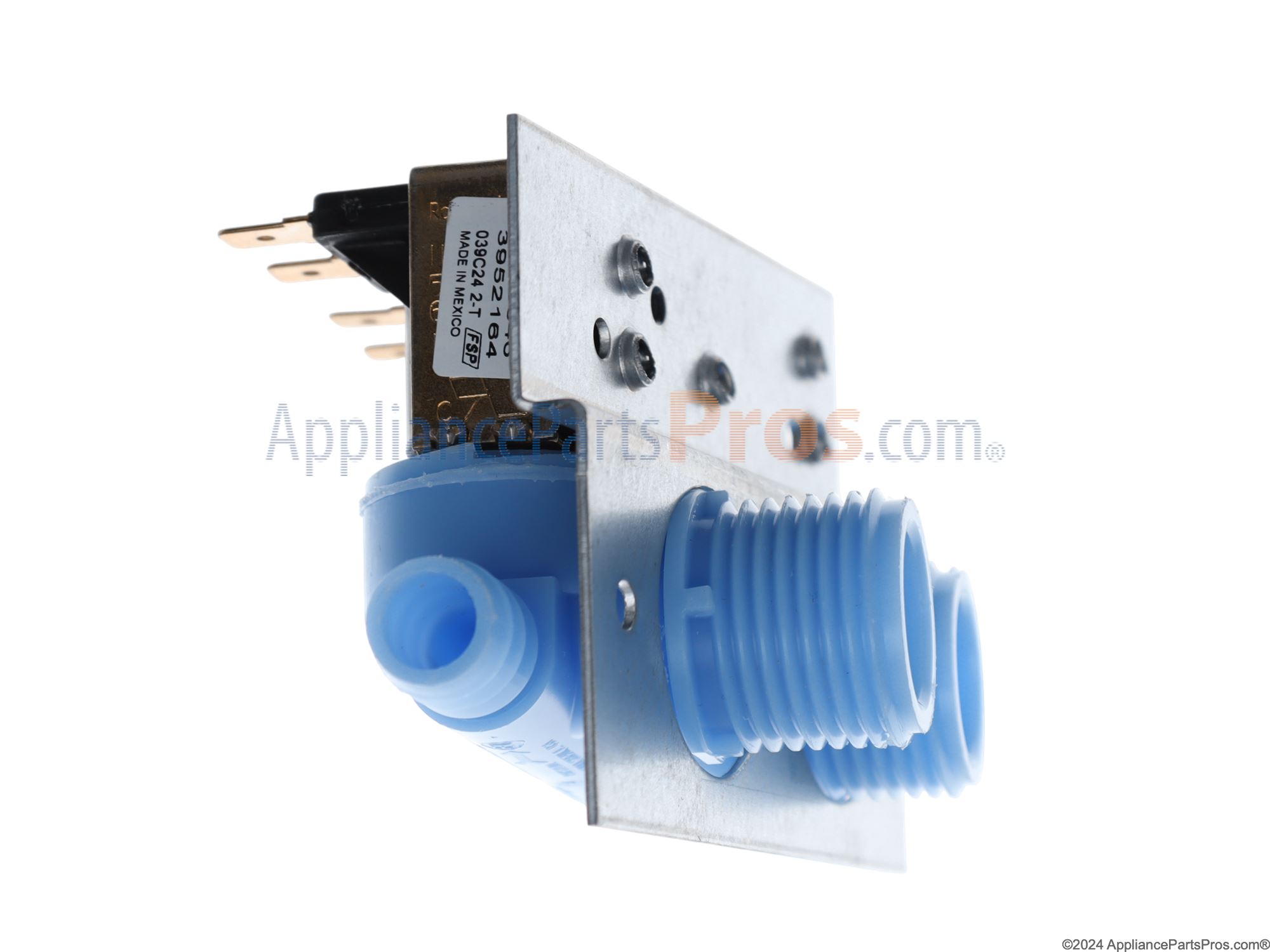
Faulty Water Inlet Valve
The water inlet valve controls water entry into the washer. A broken valve cannot open or close properly. This stops water from filling the tub. Testing or replacing the valve often fixes the problem.
Blocked Water Hoses
Water hoses bring water from the valve to the washer. Dirt or debris can clog these hoses. Blockages reduce or stop water flow. Cleaning or replacing the hoses restores water supply.
Malfunctioning Lid Switch
The lid switch tells the washer if the lid is closed. If the switch fails, the washer may not fill with water. This is a safety feature. Replacing a bad lid switch fixes the filling issue.
Problems With Water Level Switch
The water level switch controls the water amount in the washer. A faulty switch may not signal the valve to open. This stops water from entering the tub. Repairing or replacing this switch solves the issue.

Credit: www.youtube.com
Tools You’ll Need
To fix a Roper washer not filling with water, gather the right tools first. Having these tools ready makes the repair easier and faster. You don’t need many tools, just the essential ones. Here are the tools you’ll need for this job.
Basic Hand Tools
Start with simple hand tools like screwdrivers and pliers. A flathead and a Phillips screwdriver help remove panels and screws. Needle-nose pliers can grip small parts or wires. An adjustable wrench is useful for loosening water connections.
Multimeter For Electrical Testing
A multimeter checks electrical parts for power and continuity. It helps find if the water inlet valve or timer has electrical issues. Use it to test switches, wires, and fuses safely. This tool is key to diagnosing electrical faults in your washer.
Bucket And Towels
A bucket catches water that leaks during repairs. Keep towels nearby to wipe spills and keep the area dry. These simple items prevent messes and protect your floor from water damage. Always have them ready before you start.
Checking The Water Supply
Checking the water supply is the first step to fix a Roper washer not filling with water. Without water, the washer cannot start the washing cycle. This section covers simple checks to ensure water reaches your washer properly. Follow these steps carefully to find any issues with the water supply.
Ensuring Water Is Turned On
Make sure the water valves behind the washer are open. Sometimes, valves get turned off during maintenance or moves. Turn the valves counterclockwise to open them fully. Closed valves stop water from entering the washer. Confirm both hot and cold water valves are open for proper washing.
Inspecting Water Hoses For Kinks
Check the hoses connecting your washer to the water supply. Look for bends, twists, or kinks that block water flow. Straighten any bent hoses carefully. Replace hoses that show cracks or leaks. Damaged hoses can reduce water pressure and cause filling problems.
Testing Water Pressure
Low water pressure can prevent your washer from filling. Test pressure by turning on a nearby faucet. Strong, steady water flow means good pressure. Weak flow suggests low pressure or a clogged pipe. Call a plumber if pressure remains low after checking valves and hoses.
Testing And Replacing The Water Inlet Valve
The water inlet valve controls water flow into your Roper washer. If your washer does not fill with water, this valve might be faulty. Testing the valve helps find out if it works correctly. Replacing it solves the filling problem if the valve is damaged.
Locating The Valve
Unplug the washer before starting any work. The water inlet valve is behind the back panel. Remove the panel screws carefully. The valve connects to the water hoses and electrical wires. It usually sits near the top back of the washer.
Using A Multimeter To Test
Set your multimeter to the ohms setting. Disconnect the valve’s electrical connectors. Place the multimeter probes on the valve terminals. A good valve shows a reading between 500 and 1500 ohms. A reading of zero or infinite means the valve is bad.
Steps To Replace The Valve
Turn off the water supply to the washer. Disconnect the water hoses from the valve. Remove the screws holding the valve in place. Take out the old valve carefully. Install the new valve and secure it with screws. Reattach the water hoses and electrical connectors. Turn on the water and power to test the washer.
Clearing Blocked Hoses
Blocked hoses often stop water from filling your Roper washer. Dirt, debris, or small objects can clog these hoses. Clearing them helps restore water flow and keeps your washer working well. Follow these steps to clear blocked hoses safely and easily.
Removing And Inspecting Hoses
First, turn off the water supply to your washer. Next, gently disconnect the hoses from the back of the machine. Look inside the hoses for any signs of blockage or damage. Check both ends carefully. Replace hoses if they look cracked or worn out.
Cleaning Debris And Sediment
Use a small brush or a cloth to remove dirt inside the hoses. Run water through the hoses to wash out any leftover sediment. If needed, soak hoses in a vinegar solution to dissolve mineral buildup. Make sure the hoses are completely clean before reattaching.
Reattaching Hoses Securely
Reattach the hoses tightly to the washer and water supply. Use pliers to ensure a firm connection but avoid overtightening. Check for leaks by turning the water back on slowly. Secure hoses prevent water leaks and help your washer fill correctly.
Inspecting The Lid Switch
Inspecting the lid switch is a key step in fixing a Roper washer that won’t fill with water. This small part controls the washer’s ability to start filling. A broken lid switch stops the water flow for safety reasons. Checking it carefully can save time and money.
How The Lid Switch Affects Filling
The lid switch signals the washer when the lid is closed. If the switch does not work, the washer thinks the lid is open. It stops the water from filling to avoid accidents. Without a working lid switch, the washer will not start the fill cycle.
Testing The Switch With A Multimeter
Use a multimeter to check the lid switch’s electrical connections. First, unplug the washer for safety. Remove the switch from the lid assembly. Set the multimeter to the continuity setting. Touch the probes to the switch terminals. If there is no continuity, the switch is faulty.
Replacing A Faulty Lid Switch
Buy a new lid switch that fits your Roper washer model. Unplug the washer before starting the replacement. Remove the old switch carefully from the lid. Attach the new switch in the same place. Reconnect any wires and secure the switch. Test the washer to ensure it fills with water again.
Examining The Water Level Switch
The water level switch is a key part of your Roper washer. It controls the amount of water inside the drum. If your washer is not filling with water, this switch might be the cause. Examining it can help find the problem fast.
Role In Water Fill Process
The water level switch tells the washer when to stop filling. It senses the water pressure in the tub. When the water reaches the right level, it signals the valve to close. This stops more water from coming in. Without this switch working, the washer may never fill properly.
Checking For Blockages Or Damage
Sometimes dirt or debris blocks the water level switch tube. This stops it from sensing water pressure correctly. Look for cracks or holes in the tube and switch. Use a small brush or compressed air to clean the tube. Make sure the switch moves freely and is not stuck. Damage or blockages can cause the washer to stay empty.
Replacing The Water Level Switch
If cleaning does not fix the issue, the switch may be broken. You can replace it with a new one. First, unplug the washer for safety. Remove the control panel or access cover. Disconnect the wires and remove the old switch. Install the new switch in the same spot. Reconnect the wires and test the washer. This often solves the problem of no water filling.
When To Call A Professional
Knowing when to call a professional for your Roper washer not filling with water saves time and stress. Some problems need expert tools and skills. Trying to fix these issues alone might cause more damage. Recognizing signs early helps you decide the right moment to get help.
Signs Of Electrical Problems
Electric issues can stop the washer from filling with water. If the washer does not start at all, the problem might be electrical. Flickering lights or burning smells are clear warnings. Also, frequent tripping of your home’s circuit breaker points to electrical faults. These signs mean you should call a professional immediately.
Complex Internal Issues
Some internal parts are hard to check and replace. Problems with the water inlet valve or the control board need expert attention. If you hear strange noises or see error codes, the issue might be inside the machine. Professionals have the right tools to fix these complex problems safely and effectively.
Safety Precautions
Water and electricity are a risky mix. Avoid opening the washer if you do not know what to do. Turning off the power and water supply is crucial before any inspection. Professionals follow strict safety steps to prevent accidents and injuries. Calling a technician protects you and your home from harm.
Maintenance Tips To Prevent Future Issues
Preventing your Roper washer from not filling with water saves time and repairs. Regular maintenance keeps the washer working well and stops small issues from growing. Simple care habits help your machine last longer and wash clothes better.
Regular Cleaning
Clean the washer drum and detergent dispenser often. Soap and dirt build up inside and block water flow. Use a damp cloth to wipe these areas every month. Run a cleaning cycle with vinegar or a washer cleaner once a month. This removes hidden residue and keeps water moving freely.
Inspecting Hoses Periodically
Check water hoses for cracks or leaks every few months. Damaged hoses can stop water from entering the washer. Tighten hose connections to prevent leaks. Replace old or worn hoses with new ones. Good hoses help maintain steady water flow into the machine.
Avoiding Overloading The Washer
Do not fill the washer beyond its capacity. Overloading blocks water from circulating properly. Clothes need space to move for a full wash. Follow the load size guide in your washer manual. Proper loading keeps water filling and washing clothes well.
Credit: www.appliancepartspros.com
Frequently Asked Questions
Why Is My Roper Washer Not Filling With Water?
A common cause is a kinked or blocked water hose stopping water flow.
How Do I Check The Water Inlet Valve On My Washer?
Turn off water, disconnect hoses, and test the valve for electrical faults.
Can A Clogged Filter Cause The Washer Not To Fill?
Yes, debris in the filter can block water from entering the washer.
Does Water Pressure Affect My Roper Washer Filling?
Low water pressure can prevent the washer from filling properly.
Could A Faulty Lid Switch Stop The Washer From Filling?
Yes, the washer won’t fill if the lid switch is broken or stuck.
How Do I Reset My Roper Washer To Fix Filling Issues?
Unplug the washer for a few minutes, then plug it back in to reset.
Conclusion
A Roper washer not filling with water can cause big problems. Check the water supply and hoses first. Make sure the water valve is open. Clean or replace a clogged inlet valve if needed. Test the water pressure to avoid issues.
Small fixes often solve the problem quickly. Regular maintenance helps keep your washer working well. Taking these steps saves time and money. Don’t ignore the issue to avoid more damage. Keep your washer running smoothly with simple care.