
If you own an electric vehicle (EV) or are thinking about getting one, you might wonder what makes its battery work so well. The secret lies in a surprising material: graphite.
This simple element plays a huge role in how your EV battery stores energy, lasts longer, and charges faster. Understanding why graphite is key to your EV’s battery can help you appreciate the technology powering your ride—and even guide you in choosing the best electric car.
Keep reading to uncover how this unassuming mineral drives the future of clean transportation.
Role Of Graphite In Ev Batteries
Graphite plays a crucial role in electric vehicle (EV) batteries. It acts as a key material that helps store and release energy efficiently. Understanding graphite’s function can explain why it is so important in EV technology. This section breaks down graphite’s role and compares it with other materials used in batteries.
Graphite’s Function In Anodes
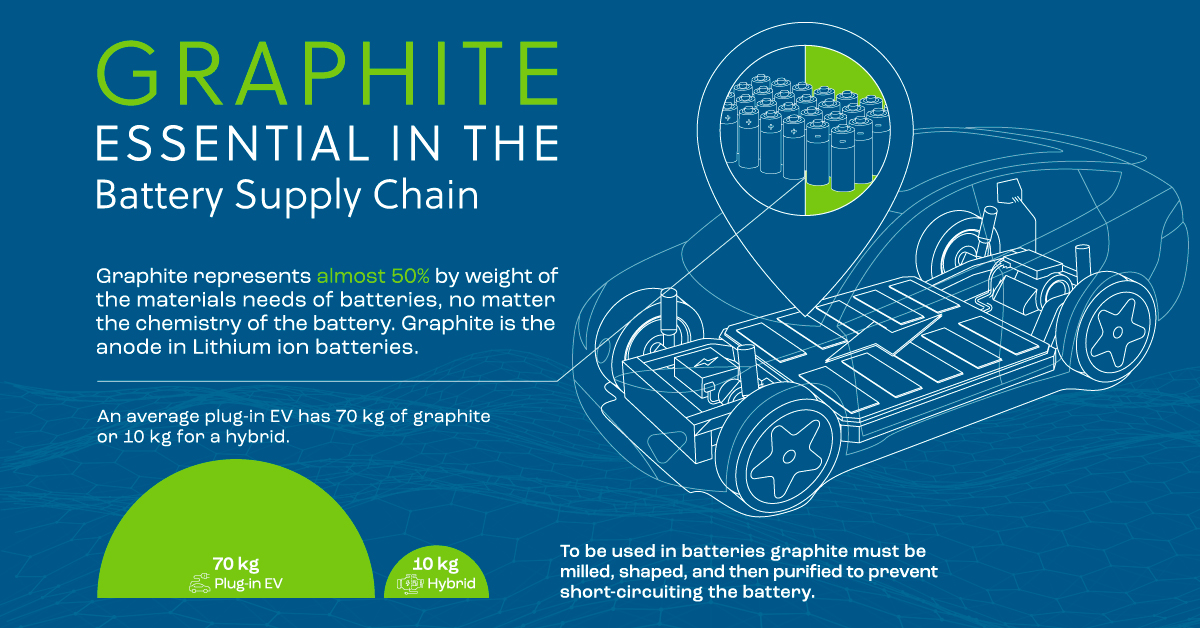
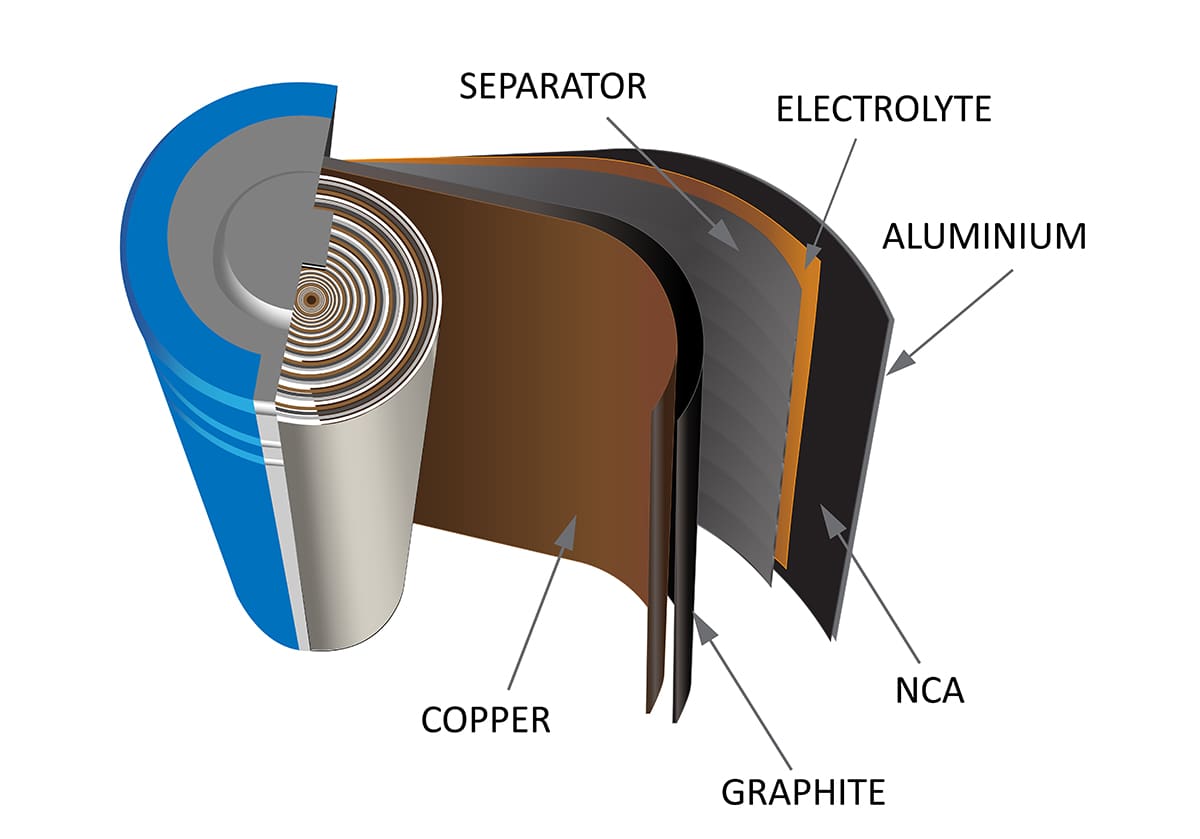
Graphite forms the anode in most lithium-ion EV batteries. The anode is the battery part that stores lithium ions during charging. Graphite’s layered structure allows lithium ions to move in and out easily. This movement stores energy and releases it when the battery powers the vehicle. Graphite helps keep the battery stable and lasts through many charging cycles.
Why Graphite Is Preferred
Graphite is preferred because it is abundant and cost-effective. Its structure offers high conductivity and good energy storage. It also provides good safety compared to other materials. These features make graphite reliable and efficient for EV batteries. Manufacturers can produce batteries at a lower cost using graphite.
Graphite Vs Other Materials
Other materials like silicon or lithium metal are tested for anodes. Silicon stores more lithium but expands and shrinks, causing damage. Lithium metal offers high energy but is less stable and more dangerous. Graphite balances performance, safety, and cost. This balance keeps graphite as the top choice for EV batteries today.
Types Of Graphite Used
Graphite plays a vital role in electric vehicle (EV) batteries. Different types of graphite affect battery performance and cost. Understanding these types helps explain why graphite is key for EV batteries.
Natural Graphite
Natural graphite is found in mines. It is a mineral that forms in nature. This type has a layered structure that helps store lithium ions. It is cheaper but less pure than synthetic graphite. Natural graphite needs processing before use in batteries.
Synthetic Graphite
Synthetic graphite is man-made. It is produced by heating carbon materials at high temperatures. This type offers high purity and consistency. Synthetic graphite improves battery life and charging speed. It costs more to produce than natural graphite.
Differences And Applications
Natural graphite is cost-effective but less uniform. Synthetic graphite has better quality and performance. EV batteries often use a mix to balance cost and efficiency. Natural graphite suits large-scale, affordable battery production. Synthetic graphite fits high-performance batteries with longer life.
Impact On Battery Performance
Graphite plays a vital role in electric vehicle (EV) batteries. It affects how well the battery performs in many ways. The material helps improve energy storage, charging times, and battery life. Understanding these impacts shows why graphite is essential for EV batteries.
Energy Density Enhancement
Graphite increases the energy density of EV batteries. It allows more lithium ions to store in the battery. This means the battery can hold more power in the same size. Higher energy density helps cars drive longer distances without charging. This makes EVs more practical for daily use.
Charging Speed Improvement
Graphite improves how fast a battery charges. It provides a smooth path for lithium ions to move. This reduces resistance and heat during charging. Faster charging saves time and makes EV use more convenient. Drivers can get back on the road quicker.
Battery Lifespan Extension
Graphite helps batteries last longer. It stabilizes the battery’s internal structure during charge cycles. This reduces wear and tear on the battery. Longer lifespan means fewer battery replacements. It lowers costs and waste over the vehicle’s life.
Credit: elements.visualcapitalist.com
Challenges In Graphite Supply
Graphite plays a vital role in electric vehicle (EV) batteries. Its unique properties help batteries store and release energy efficiently. Despite this importance, the supply of graphite faces several challenges. These challenges affect the production and cost of EV batteries. Understanding these issues helps us see why graphite supply is a concern for the EV industry.
Global Graphite Reserves
Graphite is not evenly spread around the world. A few countries hold most of the known reserves. China leads by a large margin, followed by Brazil and Mozambique. This concentration limits the global supply and can cause shortages. New reserves are hard to find and take years to develop. These factors make graphite a limited resource for now.
Environmental Concerns
Mining graphite can harm the environment. It often requires clearing forests and digging large pits. This leads to soil erosion and water pollution. Processing graphite also creates waste and uses a lot of energy. These impacts raise concerns about sustainability. Companies must balance graphite demand with environmental care.
Supply Chain Risks
Graphite supply depends on complex global chains. Political tensions or trade restrictions can disrupt supply. Transport delays and rising costs add more pressure. Natural disasters or local conflicts can halt mining operations. These risks make graphite supply unstable and uncertain. EV manufacturers must plan carefully to avoid shortages.
Innovations In Graphite Technology
Graphite plays a crucial role in electric vehicle (EV) batteries. New technology improves its performance and lifespan. These innovations help make EVs more efficient and affordable. Let’s explore the latest advances in graphite technology.
Graphite Coating Techniques
Coating graphite particles can improve battery life. Thin layers protect graphite from breaking down. This helps batteries charge faster and last longer. Scientists use materials like carbon or polymers for coating. Coated graphite also reduces heat during battery use. This keeps the battery safer and more stable.
Graphene Integration
Graphene is a form of carbon with unique properties. It is very strong and conducts electricity well. Adding graphene to graphite improves battery power and speed. Graphene helps batteries hold more energy. This means EVs can travel farther on a single charge. Research on graphene is growing rapidly.
Future Material Alternatives
Researchers seek materials beyond graphite for batteries. Silicon and lithium are popular options. These materials can store more energy than graphite. But they have challenges like swelling and short life. Scientists work to solve these problems. New materials may one day replace or enhance graphite.
Credit: chargedevs.com
Sustainability And Recycling
Graphite plays a crucial role in making electric vehicle (EV) batteries more sustainable. Its recycling and reuse help lower waste and reduce the need for new mining. This supports cleaner energy and protects natural resources. Sustainability in EV batteries relies heavily on smart recycling methods and efficient use of graphite.
Recycling Graphite From Used Batteries
Used EV batteries contain valuable graphite that can be recovered. Recycling this graphite saves raw materials and energy. The process involves breaking down old batteries and extracting graphite safely. Recycled graphite can then be used to make new batteries. This reduces the demand for fresh graphite mining and lowers environmental harm.
Reducing Environmental Footprint
Graphite mining has a significant environmental impact. Recycling graphite reduces the need for large mining operations. It cuts down on water use, land disturbance, and pollution. Using recycled graphite in EV batteries helps lower carbon emissions. This approach supports cleaner production and a healthier planet.
Circular Economy In Ev Batteries
Recycling graphite supports a circular economy in the EV industry. Materials stay in use longer, reducing waste and saving resources. Batteries are designed to be recycled, making graphite recovery easier. This cycle helps create sustainable battery supply chains. A circular economy makes EVs greener and more eco-friendly over time.

Credit: www.lutherauto.com
Frequently Asked Questions
What Role Does Graphite Play In Ev Batteries?
Graphite acts as the main material in the battery’s anode. It stores lithium ions and helps the battery charge and discharge efficiently.
Why Is Graphite Preferred Over Other Materials In Ev Batteries?
Graphite is stable, conducts electricity well, and is abundant. These qualities make it cost-effective and reliable for electric vehicles.
How Does Graphite Affect The Battery’s Lifespan?
Graphite’s structure allows repeated charging cycles without much damage. This helps EV batteries last longer and perform consistently.
Can Graphite Improve Ev Battery Charging Speed?
Yes, graphite’s good conductivity allows faster movement of lithium ions. This means quicker charging times for electric vehicles.
Are There Environmental Concerns With Graphite Mining For Evs?
Graphite mining can impact the environment if not managed properly. Sustainable practices are needed to reduce harm and protect nature.
Conclusion
Graphite plays a vital role in electric vehicle batteries. It helps store and release energy efficiently. This makes EVs run longer on a single charge. Graphite also supports faster charging times. It keeps batteries safe and durable. Without graphite, EV batteries would not perform well.
Choosing the right materials matters for better electric cars. Understanding graphite’s importance helps appreciate battery technology. It’s a small part with a big impact on EVs.