
Have you ever wondered how long a solid state battery can power your devices or electric vehicle? Understanding the lifespan of these batteries is key to making smart choices for your tech and your future.
You’ll discover what affects their durability, how they compare to traditional batteries, and what it means for you. Keep reading to find out why solid state batteries might be the game-changer you’ve been waiting for.
Basics Of Solid State Batteries
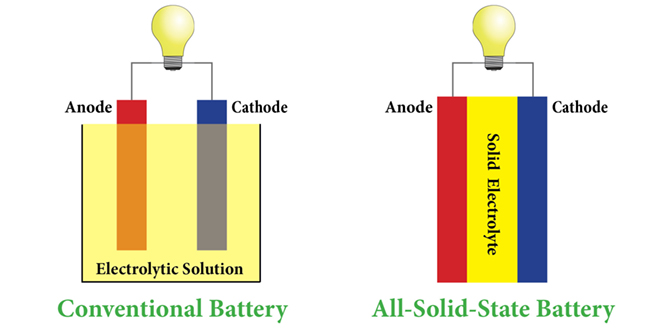
Solid state batteries are a new type of battery technology. They differ from traditional batteries by using solid materials instead of liquid or gel electrolytes. This change makes them safer and more efficient. Understanding the basics helps explain why they may last longer and perform better.
These batteries are promising for many uses, including electric cars and portable devices. Their design affects how long they can store energy and how many times they can recharge. Learning about how they work and what they are made of gives a clear picture of their lifespan.
How Solid State Batteries Work
Solid state batteries store energy by moving ions through a solid electrolyte. This solid part replaces the liquid found in regular batteries. Ions travel from the battery’s positive side to its negative side when charging or discharging. This process creates electrical energy that powers devices.
The solid electrolyte stops leaks and reduces fire risks. It also allows batteries to be thinner and lighter. These batteries can handle higher temperatures and charge faster than liquid-based ones.
Components And Materials Used
Solid state batteries have three main parts: the anode, cathode, and solid electrolyte. The anode is the negative side, and the cathode is the positive side. The solid electrolyte sits between them, letting ions pass safely.
Materials for the solid electrolyte include ceramics, glass, and special plastics. These materials improve stability and battery life. Lithium metal often serves as the anode, boosting energy capacity. The cathode usually contains lithium compounds that store and release ions.
Factors Influencing Battery Lifespan
The lifespan of a solid state battery depends on several key factors. These factors affect how long the battery can store and deliver energy efficiently. Understanding these influences helps in maximizing battery life and performance.
Charge And Discharge Cycles
Each time a battery charges and discharges, it undergoes stress. This cycle gradually reduces the battery’s capacity. Solid state batteries usually last longer than traditional ones but still wear out over many cycles. Avoid deep discharges to extend battery life.
Temperature Effects
Temperature plays a crucial role in battery health. High heat speeds up wear and can cause damage. Cold temperatures reduce the battery’s ability to deliver power. Keeping the battery within a moderate temperature range helps maintain its lifespan.
Storage Conditions
How you store a solid state battery matters. Storing it fully charged or fully drained harms the battery. The best practice is to store at about 50% charge. Also, keep batteries in a cool, dry place to prevent damage over time.
Comparing Lifespan With Traditional Batteries
Comparing the lifespan of solid state batteries with traditional batteries helps us understand their value. Lifespan means how long a battery lasts before it loses power or stops working well. This section explores how solid state batteries perform against older types, especially lithium-ion batteries.
Many factors affect battery life, including materials and design. Solid state batteries use different technology that may offer longer use. Traditional batteries have been around for decades and are well studied. Let’s see the key differences in lifespan and durability.
Solid State Vs Lithium-ion
Solid state batteries use solid electrolytes instead of liquid ones. This change reduces damage inside the battery. Lithium-ion batteries have liquid electrolytes that can degrade faster. Solid state batteries can handle more charge cycles, meaning more charges and discharges.
Typical lithium-ion batteries last about 300 to 500 full charge cycles. Solid state batteries can often last over 1,000 cycles. This means solid state batteries may last twice as long or more in daily use. Longer cycle life means fewer battery replacements.
Durability And Stability Differences
Solid state batteries resist heat and physical damage better than lithium-ion. Lithium-ion batteries can swell or leak under stress. Solid electrolytes in solid state batteries are more stable and safer. This stability helps maintain battery health over time.
Solid state batteries show less capacity loss as they age. Lithium-ion batteries lose capacity faster due to chemical changes. Better durability means solid state batteries keep their power longer. This makes them suitable for demanding uses like electric cars.
Credit: hackaday.com
Typical Lifespan Of Solid State Batteries
Solid state batteries offer new possibilities in energy storage. Understanding their typical lifespan helps users gauge their reliability. Lifespan depends on usage and battery design. Two key measures define this lifespan: cycle life and calendar life. Both provide insights on battery performance over time.
Cycle Life Expectations
Cycle life means how many times a battery can charge and discharge. Solid state batteries often last longer than traditional lithium-ion batteries. They can handle between 1,000 and 5,000 cycles. This range depends on the battery’s materials and build quality. A higher cycle life means the battery stays useful for more charge cycles. This is important for devices used daily, like electric cars and phones.
Calendar Life Estimates
Calendar life shows how long a battery lasts over time, regardless of use. Solid state batteries tend to have a calendar life of 10 to 20 years. This is because they degrade slower than liquid electrolyte batteries. Factors like temperature and storage conditions affect calendar life. Proper care can help maintain battery health longer. This lifespan suits long-term applications such as grid storage and electric vehicles.
Improving Battery Longevity
Extending the life of a solid state battery is key to getting the best value from it. Proper care and smart use can slow down battery wear. This section shares practical ways to improve battery longevity.
Best Charging Practices
Charging at moderate speeds helps protect the battery. Avoid fast charging too often. Keeping the battery charge between 20% and 80% reduces stress. Do not let the battery drain completely. Use chargers designed for solid state batteries.
Environmental Controls
Temperature affects battery health a lot. Store and use batteries in cool, dry places. Avoid extreme heat or cold. High temperatures can cause faster degradation. Low temperatures may reduce performance temporarily but do not harm the battery long-term.
Technological Advances
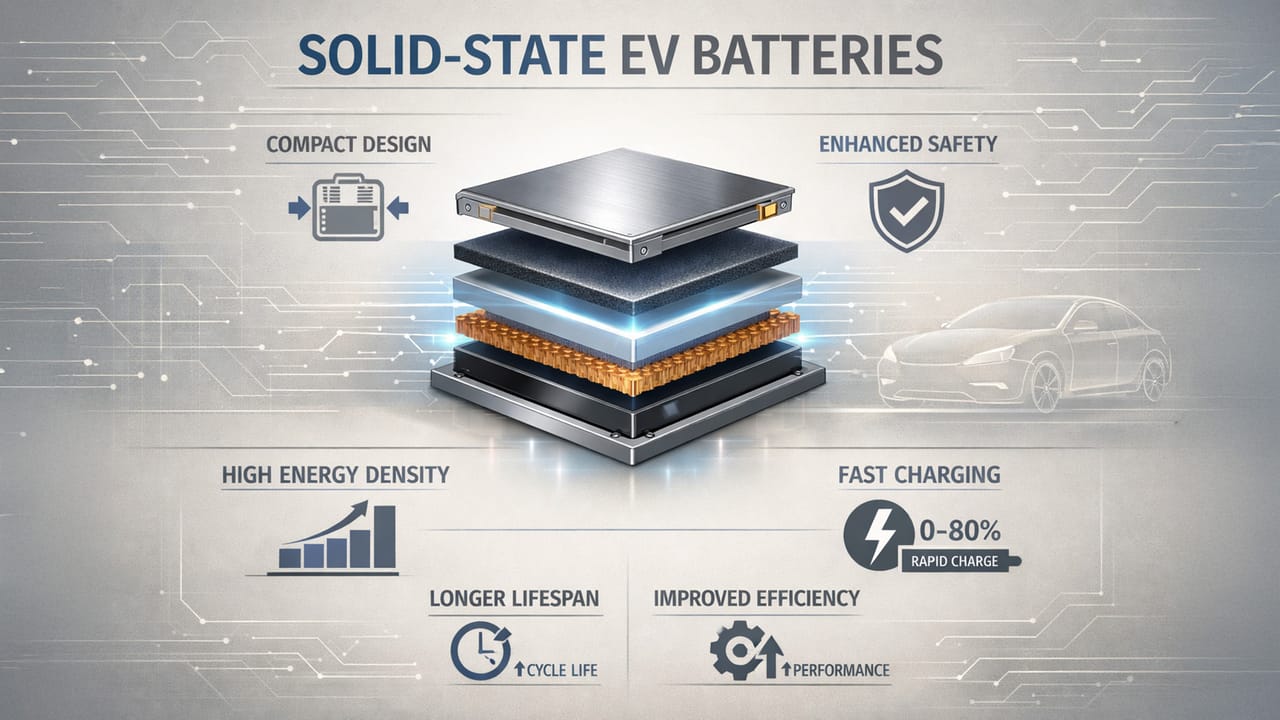
New materials improve battery stability and lifespan. Researchers develop better solid electrolytes that resist wear. Smart battery management systems help monitor health. These systems adjust charging to protect battery cells. Advances continue to make batteries last longer and work better.
Credit: www.evinfrastructurenews.com
Future Prospects And Research
The future of solid state batteries looks promising. Researchers are working hard to make these batteries last longer. New ideas and studies aim to improve their durability and performance. This work could help solid state batteries become more common in many devices.
Innovations Extending Lifespan
Scientists focus on better materials to boost battery life. Solid electrolytes are being improved to reduce wear and tear. Some teams develop coatings that protect battery parts from damage. These innovations help the battery keep its power for more cycles. Longer lifespan means fewer battery replacements and less waste.
Challenges To Overcome
Solid state batteries face issues like dendrite growth that shortens life. Manufacturing these batteries at scale is still difficult and costly. Stability of materials during charging and discharging needs improvement. Researchers must find ways to prevent cracks inside the battery. Overcoming these challenges is key to making solid state batteries reliable and long-lasting.

Credit: futurebatterylab.com
Frequently Asked Questions
What Is The Typical Lifespan Of A Solid State Battery?
Solid state batteries usually last between 5 to 10 years. Their lifespan depends on usage and charging patterns. They tend to hold charge longer than traditional batteries.
How Does Solid State Battery Life Compare To Lithium-ion?
Solid state batteries generally last longer than lithium-ion batteries. They have better stability and less wear during charge cycles. This leads to a longer overall lifespan.
What Factors Affect The Lifespan Of Solid State Batteries?
Temperature, charging speed, and usage frequency impact battery life. High heat and fast charging reduce lifespan. Proper care can extend how long they last.
Can Solid State Batteries Degrade Over Time?
Yes, solid state batteries slowly lose capacity with use. Degradation happens due to chemical changes inside the battery. Still, they degrade slower than many other battery types.
How Can I Extend The Life Of A Solid State Battery?
Avoid extreme temperatures and fast charging to protect the battery. Charge it regularly but avoid overcharging. Gentle use helps maintain battery health longer.
Conclusion
Solid state batteries last longer than many regular batteries today. Their lifespan depends on use, temperature, and charging habits. These batteries offer better safety and stability for devices. They could become common in electric cars and gadgets soon. Understanding their lifespan helps you choose the right battery.
Keep an eye on new developments in battery technology. This knowledge supports smarter decisions for your devices and the environment. Solid state batteries show promise for a cleaner, longer-lasting future.