
You’ve probably heard a lot about Tesla’s electric cars, but have you ever thought about what happens to their batteries when they reach the end of their life? Tesla’s battery recycling strategy is not just about saving resources—it’s about protecting the planet and making your electric vehicle experience more sustainable.
If you care about the environment and want to know how Tesla is turning old batteries into new opportunities, this article is made for you. Keep reading to discover the smart methods Tesla uses to recycle batteries and why it matters for your future.
Credit: www.thestrategyinstitute.org
Tesla’s Battery Recycling Goals
Tesla’s battery recycling goals focus on sustainability and efficiency. The company aims to reduce waste and reuse valuable materials. This approach supports cleaner energy and lowers environmental harm. Tesla plans to create a closed-loop system where batteries are recycled and reused continuously.
Reducing Environmental Impact
Tesla works to cut down harmful waste from old batteries. Recycling prevents toxic materials from polluting land and water. The company’s process lowers carbon emissions linked to battery production. Less mining means fewer scars on the earth. Tesla’s goal is to make electric cars greener from start to finish.
Maximizing Resource Efficiency
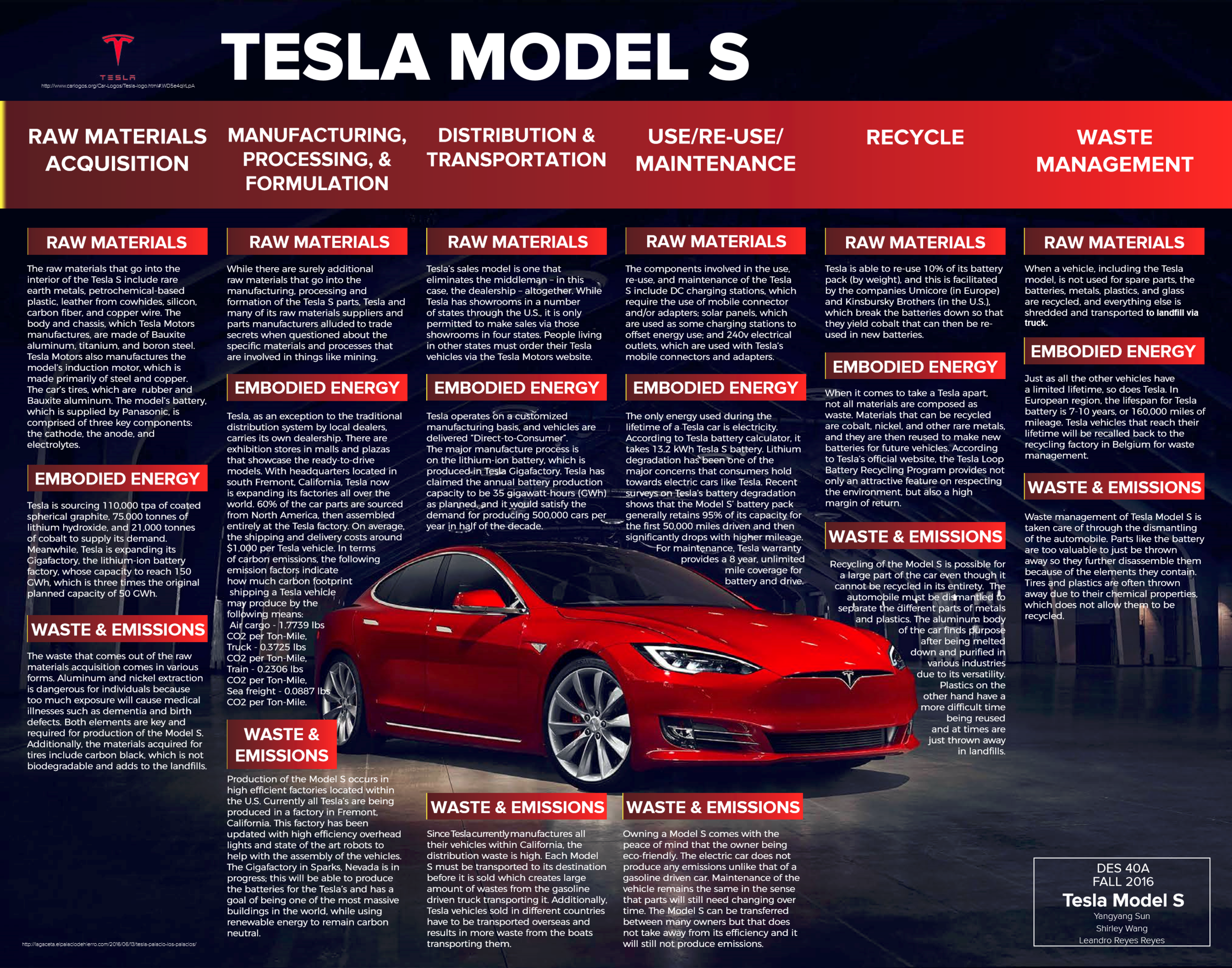
Tesla recovers key metals like lithium, cobalt, and nickel from used batteries. These materials are rare and hard to mine. Recycling helps save these resources for future use. Tesla’s system aims to reuse up to 92% of battery materials. This effort reduces the need for new mining and cuts costs.
Innovative Recycling Technologies
Tesla uses new ways to recycle batteries. These methods help save materials and reduce waste. Tesla’s focus is on making recycling cleaner and more efficient.
These innovative technologies recover valuable metals. They lower the need to mine new resources. Tesla’s approach supports a more sustainable future.
Hydrometallurgical Processes
This process uses water and chemicals to extract metals. It works by dissolving metals from battery parts. The method recovers lithium, cobalt, and nickel effectively.
Hydrometallurgy uses less energy than traditional methods. It creates fewer harmful emissions and waste. Tesla applies this to reduce environmental impact.
Direct Recycling Methods
Direct recycling keeps battery materials intact for reuse. It avoids breaking materials down into chemicals. This method saves time and energy during recycling.
Tesla’s direct recycling helps preserve battery quality. It allows materials to return quickly to new batteries. This supports a circular economy in battery production.
Closed-loop Battery System
Tesla’s Closed-Loop Battery System focuses on reducing waste and saving resources. It aims to recycle old batteries and reuse their parts. This system helps Tesla make new batteries with less mining and less harm to the environment.
The company collects used batteries from electric cars and energy products. Then, it processes them to recover valuable materials. These materials return to Tesla’s factories to create new battery cells. This cycle cuts costs and supports a cleaner future.
Designing For Recycling
Tesla designs batteries with recycling in mind. It uses materials that are easier to separate and recover. The battery packs have fewer parts and clear labels. This design makes it simple to take batteries apart safely.
Engineers also focus on durability. Longer-lasting batteries mean fewer replacements. This lowers the total amount of waste. Tesla’s design helps keep valuable metals in use longer.
Reusing Battery Components
After recycling, Tesla reuses many battery components. Metals like lithium, nickel, and cobalt return to new batteries. Tesla also reconditions battery cells for second-life uses. These batteries serve in energy storage systems at homes and businesses.
Reusing parts reduces the need for fresh raw materials. It saves energy and cuts pollution. Tesla’s system supports a cycle of reuse, benefiting both people and planet.

Credit: pimpmyev.com
Partnerships And Collaborations
Tesla’s battery recycling strategy relies heavily on strong partnerships and collaborations. The company works with experts to improve recycling methods. These alliances help Tesla reduce waste and recover valuable materials. Such teamwork also speeds up innovations in recycling technology.
Collaborating With Recycling Firms
Tesla partners with specialized recycling companies worldwide. These firms have the skills and tools to handle used batteries safely. Tesla shares its technology to make recycling more efficient. This cooperation helps recover metals like lithium and cobalt. It also lowers the environmental impact of battery disposal.
Industry-wide Green Initiatives
Tesla joins forces with other companies to promote greener practices. The company supports industry-wide programs focused on sustainability. These initiatives aim to create standards for battery recycling. Collaboration ensures better resource use across the electric vehicle sector. Working together helps the entire industry become more eco-friendly.
Impact On Tesla’s Supply Chain
Tesla’s battery recycling strategy shapes its supply chain in many ways. It helps the company manage resources better and cut costs. The approach also supports Tesla’s goal to reduce environmental impact. This strategy creates a more stable and sustainable supply of battery materials.
Securing Critical Materials
Tesla recycles batteries to recover key materials like lithium and cobalt. These materials are vital for making new batteries. Recycling lowers the risk of shortages or price spikes. It ensures Tesla has a steady supply of important resources. This helps the company keep up with demand.
Reducing Dependence On Mining
Mining raw materials can harm the environment and cause supply delays. Tesla’s recycling reduces the need for new mining projects. It cuts the impact on nature and local communities. Using recycled materials also lowers energy use. This makes Tesla’s supply chain cleaner and more reliable.
Economic Benefits Of Recycling
Recycling Tesla batteries offers strong economic benefits. It lowers costs and helps create new markets. This approach supports a more sustainable and profitable business model. Tesla’s strategy focuses on reusing valuable materials from old batteries. This reduces the need to mine new resources. It also cuts production expenses and opens fresh business opportunities.
Cost Savings In Production
Recycling reduces raw material expenses. Tesla recovers lithium, cobalt, and nickel from old batteries. These metals are expensive and hard to find. Using recycled materials lowers the cost of making new batteries. It also decreases dependence on global mining. This helps Tesla manage price changes and supply risks. Less energy is needed to process recycled materials. That saves money and reduces the environmental impact of production.
Creating New Market Opportunities
Battery recycling creates new business paths for Tesla. Recycled materials can be sold or reused in different industries. Tesla can supply recycled metals to other battery makers. This expands its role beyond just car manufacturing. The company can also develop recycling services for other battery users. This opens a new revenue stream. Growing demand for electric vehicles increases the need for recycled battery materials. Tesla’s recycling strategy positions it well for future market growth.
Challenges In Battery Recycling
Tesla’s battery recycling strategy faces many challenges. Recycling lithium-ion batteries is not simple. These challenges slow down the process and increase costs.
Understanding these difficulties helps us see why recycling is still evolving. The hurdles include technical problems and scaling issues. Both need smart solutions for better results.
Technical Difficulties
Battery design is complex. Different materials inside make recycling hard. Separating metals like lithium, cobalt, and nickel needs careful handling.
Some materials can be hazardous. They require special treatment to avoid pollution. The recycling process must keep materials pure for reuse.
Breaking down batteries without damage is tricky. Damaged parts lower the quality of recycled materials. This affects how well they can be reused in new batteries.
Scaling The Recycling Process
Recycling batteries on a large scale is tough. Tesla produces many batteries every year. Handling all of them needs big recycling plants.
These plants need advanced machines and trained workers. Setting up such facilities costs a lot. Transporting used batteries safely is also a challenge.
Demand for recycled materials grows with electric cars. The recycling process must keep up with this growth. Otherwise, valuable materials may go to waste.
Credit: www.designlife-cycle.com
Future Trends In Green Energy
Green energy is growing fast worldwide. It helps reduce pollution and saves resources. Tesla’s battery recycling is part of this change. It supports a cleaner future by reusing valuable materials.
New trends in green energy focus on better battery tech and wider recycling. These trends aim to make energy use safer for the planet. They also lower costs and improve battery life.
Advancements In Battery Tech
Battery technology is improving every year. New designs use less harmful materials. They last longer and charge faster. These changes reduce waste and increase efficiency. Tesla invests in new battery types to support recycling. Safer batteries mean easier reuse and less pollution.
Expanding Recycling Programs
Recycling programs are growing in many regions. Tesla plans to collect and recycle more batteries. They work with partners to improve recycling methods. More recycling means fewer batteries end up in landfills. It also helps recover rare metals for new batteries. This cycle saves energy and reduces mining impact.
Frequently Asked Questions
What Is Tesla’s Battery Recycling Process?
Tesla collects old batteries and breaks them down safely. They recover valuable materials like lithium, cobalt, and nickel. These materials help make new batteries with less waste.
Why Does Tesla Focus On Battery Recycling?
Recycling reduces the need for mining new materials. It lowers environmental impact and saves resources. Tesla wants to make electric cars more eco-friendly.
How Much Material Can Tesla Recover From Old Batteries?
Tesla can recover over 90% of key metals. This high rate helps reduce costs and raw material use. It supports a circular economy for batteries.
Where Does Tesla Recycle Its Used Batteries?
Tesla uses specialized facilities for battery recycling. Some are in-house, and others are trusted partners. This ensures safe and efficient material recovery.
How Does Tesla’s Recycling Benefit The Environment?
Recycling cuts down mining and waste pollution. It reduces energy use compared to making new materials. Tesla’s strategy helps protect nature and fight climate change.
Conclusion
Tesla’s battery recycling strategy helps protect the environment. It reduces waste and saves valuable materials. The process supports a cleaner, greener future for electric cars. Recycling lowers the need for mining new resources. This approach also cuts down pollution and energy use.
Tesla shows how companies can care for the planet. Battery recycling is a smart, responsible choice. It helps make electric vehicles more sustainable. Everyone benefits when we reuse and recycle batteries. A small step that leads to big changes.