
Are you ready to make the most of your electric car? Knowing how to charge your electric car the right way can save you time, money, and hassle.
Whether you’re new to electric vehicles or looking to improve your charging routine, this guide is made for you. You’ll discover simple steps and insider tips that make charging easy and efficient. Keep reading to unlock the secrets that every electric car owner wishes they knew from the start.
Your journey to smarter charging begins here!
Credit: www.epa.gov
Types Of Electric Car Chargers
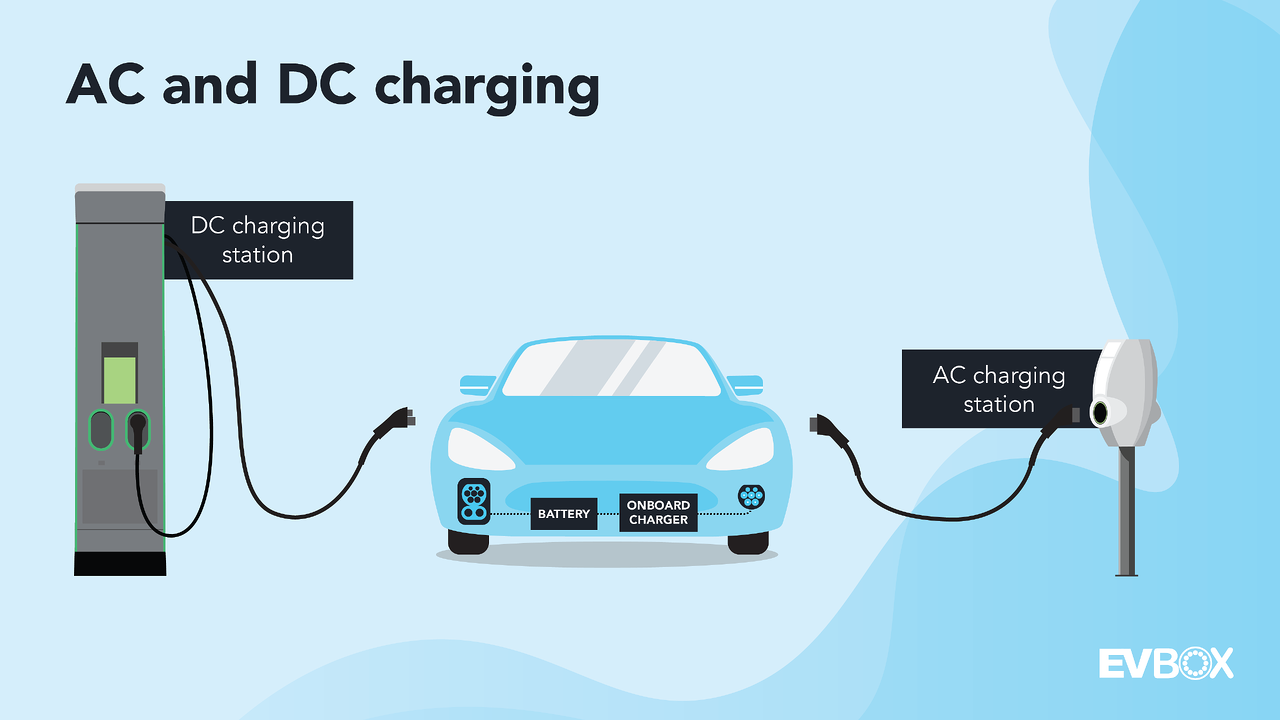
Electric car chargers come in different types. Each type serves a different purpose and fits various charging needs. Understanding these chargers helps you choose the best option for your car and lifestyle. Chargers vary by charging speed and power source. Some are better for home use, while others suit public places or long trips.
Level 1 Chargers
Level 1 chargers use a standard 120-volt outlet. They are the slowest chargers available. Charging your car this way adds about 3 to 5 miles of range per hour. These chargers are good for overnight charging at home. They don’t require special equipment or installation.
Level 2 Chargers
Level 2 chargers need a 240-volt outlet. They charge faster than Level 1 chargers, adding 15 to 30 miles of range per hour. These chargers are common in homes, workplaces, and public stations. Installing a Level 2 charger at home requires professional help. They offer a good balance between speed and convenience.
Dc Fast Chargers
DC Fast Chargers deliver direct current to your car’s battery. They provide the fastest charging speed available. These chargers can add 60 to 80 miles of range in just 20 minutes. They are mostly found at public charging stations along highways. Ideal for quick stops during long trips.
Credit: evbox.com
Preparing Your Car For Charging
Preparing your electric car for charging is an important step. It helps ensure a smooth and safe charging process. Taking a few moments to check your car before plugging in saves time and avoids problems.
Locating The Charging Port
First, find the charging port on your car. It is often near the front or side of the vehicle. Some cars have a light or symbol to show the port’s location. Make sure the port cover is fully open before you start charging.
Checking Battery Status
Check your car’s battery level before charging. The dashboard or app usually shows this information. Knowing your battery status helps decide how long to charge. Avoid charging if the battery is already full.
Ensuring Proper Cable Compatibility
Use the right charging cable for your car model. Different cars need different plugs and power levels. Check your car manual or charging station instructions. Using the correct cable prevents damage and charging errors.
Step-by-step Charging Process
Charging an electric car is simple and safe. Following clear steps helps avoid mistakes and saves time. This guide breaks down the process into easy parts.
Connecting The Charger
First, park your car close to the charging station. Turn off the car before connecting the charger. Open the charging port on your car. Take the charger plug and insert it firmly into the port. Make sure it clicks in place. Some cars have a lock to hold the charger. Check if your charger needs to be plugged into power.
Starting The Charging Session
Activate the charging station using a card or app. Some chargers start automatically when connected. Watch the screen or indicator lights for confirmation. Your car may also show a charging symbol. The car and charger communicate to begin charging safely.
Monitoring Charging Progress
Check the car’s dashboard or mobile app to see charging status. It shows the battery level and estimated time left. Some stations have display screens with the same info. Charging speed may slow down as the battery fills. Avoid unplugging until charging is complete.
Disconnecting Safely
Stop the charging session from the app or charger. Unlock the charger if your car holds it locked. Pull the charger plug out gently from the car port. Close the charging port on your car. Store the charger cable properly. Your car is now ready to drive.
Tips For Faster Charging
Charging an electric car faster saves time and gets you back on the road quickly. Simple tips can help speed up the charging process. These tips also protect your car’s battery and improve its life.
Using Higher Power Chargers
Choose chargers with higher power ratings for quicker charging. Fast chargers deliver more electricity to the battery in less time. Many public stations offer chargers with 50 kW or more. Using these chargers reduces waiting time significantly. Your car must support fast charging to use these chargers.
Avoiding Extreme Temperatures
Charging is slower in very cold or hot weather. Batteries work best between 20°C and 25°C (68°F to 77°F). Park your car in shaded or warm areas before charging. This helps the battery maintain an ideal temperature. Avoid charging outside during freezing or very hot days.
Keeping Battery Between 20% And 80%
Keep your battery charge between 20% and 80% for faster charging. Charging from 0% to 20% or 80% to 100% takes more time. The battery charges quickly in the middle range. Avoid frequent full charges or deep discharges to protect battery health.
Charging Safety Measures
Charging an electric car safely protects you and your vehicle. Following safety measures reduces risks and keeps the charging process smooth. Simple steps make a big difference in safety.
Inspecting Equipment Regularly
Check your charging cable and plug before each use. Look for cuts, cracks, or exposed wires. Faulty equipment can cause electric shocks or fires. Replace damaged parts immediately. Clean the connectors to remove dirt and debris. Proper maintenance ensures safe charging every time.
Avoiding Wet Conditions
Never charge your car in rain or wet areas. Water and electricity do not mix well. Wet conditions increase the chance of electric shock. Use covered or indoor charging stations when possible. Keep the plug and socket dry during charging. This simple habit protects you and your car.
Following Manufacturer Guidelines
Read the user manual before charging your electric car. Follow the instructions for your specific model. Use only recommended chargers and accessories. Incorrect use can damage the battery or cause hazards. Stick to the guidelines to ensure safe and efficient charging.
:max_bytes(150000):strip_icc()/GettyImages-1251125012-27228080a2994a06a907babc2547e563.jpg)
Credit: www.treehugger.com
Optimizing Home Charging Setup
Setting up your home for electric car charging makes life easier. A good home charging setup saves time and energy. It also keeps your car ready to go whenever you need it. Simple changes can improve your charging experience and lower costs.
Installing A Dedicated Charger
A dedicated charger at home charges your car faster. It connects directly to your electrical panel. This type of charger is safer than using a regular outlet. It also reduces the risk of electrical problems. Professional installation ensures the charger works well and lasts long.
Scheduling Charging Times
Charging your car during off-peak hours saves money. Many electric companies offer lower rates at night. Use your charger’s timer to set charging times. This helps avoid high electricity costs. Your car will be ready by morning, fully charged.
Upgrading Electrical Systems
Older homes may need electrical upgrades for charging. A stronger electrical system supports faster chargers. It prevents overloads and keeps your home safe. Hire a licensed electrician to check your wiring and panel. Upgrades can improve charging speed and safety.
Public Charging Considerations
Charging an electric car in public places requires some planning. Public charging stations vary in location, speed, and cost. Understanding how to use them can save time and avoid frustration.
Finding Charging Stations
Use apps or websites to locate nearby charging stations. Many apps show real-time availability and types of chargers. Choose a station that fits your car’s charging port. Check station hours and if it is free or paid.
Managing Payment Methods
Different stations accept different payment methods. Some use credit cards, others require special cards or apps. Set up accounts before your trip to avoid delays. Keep your payment options ready for smooth charging.
Dealing With Busy Stations
Busy stations are common in cities or popular areas. Arrive early or choose off-peak hours for a spot. Be patient and polite with other drivers. Consider alternative stations nearby if one is full.
Frequently Asked Questions
How Long Does It Take To Charge An Electric Car?
Charging time depends on the charger type and battery size. Slow chargers can take 8-12 hours, while fast chargers may take 30 minutes to an hour.
What Types Of Chargers Are Used For Electric Cars?
Electric cars use Level 1 (standard outlet), Level 2 (home or public), and DC fast chargers. Each type offers different speeds and power.
Can I Charge My Electric Car At Home?
Yes, most electric cars can be charged at home using a Level 1 or Level 2 charger. Level 2 chargers are faster and may require installation.
How Much Does It Cost To Charge An Electric Car?
Charging cost varies by electricity rates and battery size. On average, it costs less than filling a gasoline car’s tank.
Is It Safe To Charge An Electric Car In The Rain?
Yes, electric cars and chargers are designed to be safe in wet conditions. Charging outside in rain is generally safe with proper equipment.
Conclusion
Charging an electric car is simple and saves money. Use the right charger for your car model. Home chargers work well for daily use. Public chargers help on long trips. Check charging speed to save time. Always follow safety tips while charging.
With these steps, your electric car stays ready. Enjoy driving clean and saving energy.