
Have you ever wondered if you can charge your electric car using solar panels at home? Imagine powering your vehicle with the sun, saving money, and reducing your carbon footprint all at once.
It sounds like a smart and eco-friendly idea, but is it really possible? You’ll discover how solar energy and electric cars can work together, what you need to make it happen, and the benefits you might not have considered. Keep reading to find out if turning sunlight into miles on your car is within your reach.
Electric Car Charging Basics
Electric cars need a power source to charge their batteries. Solar panels can provide this power. Understanding electric car charging basics helps in using solar energy effectively. This section explains key concepts about charging electric cars.
Types Of Electric Car Chargers
There are three main types of electric car chargers. Level 1 chargers use a standard household outlet. They are slow but easy to use at home. Level 2 chargers need special equipment and a stronger power source. They charge cars faster and are common at public stations and homes. DC fast chargers provide rapid charging using direct current. They are usually found at public charging stations and can charge a car in less than an hour.
Charging Speeds And Options
Charging speed depends on the charger type and power source. Level 1 chargers add about 3 to 5 miles of range per hour. Level 2 chargers add 10 to 60 miles per hour. DC fast chargers provide 60 to 100 miles in just 20 minutes. Solar panels usually connect to Level 1 or Level 2 chargers. The size of the solar system affects how fast the car charges. Battery size in the car also matters for charging time.

Credit: www.solar.com
Solar Panels And Energy Generation
Solar panels play a key role in generating clean energy for electric cars. They convert sunlight into electricity that can power your vehicle. Understanding how solar panels work and what affects their output helps you get the most from your system.
This knowledge is essential for anyone thinking about charging an electric car with solar power. It shows how sunlight becomes usable energy and what limits the amount of energy produced.
How Solar Panels Work
Solar panels use sunlight to create electricity through a process called the photovoltaic effect. Light hits the panels and excites electrons inside the solar cells. This movement of electrons produces direct current (DC) electricity.
The DC electricity flows to an inverter, which changes it into alternating current (AC). AC power runs your home and charges electric cars. Solar panels need sunlight, so they work best on clear, sunny days.
Factors Affecting Solar Energy Output
The amount of energy from solar panels depends on several factors. The first is sunlight intensity. Bright sunlight creates more electricity. Cloud cover or shade lowers energy production.
Another factor is panel angle and direction. Panels facing the sun directly capture more light. Dirt and dust on panels also reduce energy output. Regular cleaning keeps panels efficient.
Temperature matters too. High heat can lower solar panel performance. Proper ventilation helps keep panels cool and working well.
Connecting Solar Panels To Ev Chargers
Connecting solar panels to electric vehicle (EV) chargers allows you to use clean energy for your car. This setup can reduce electricity bills and lower your carbon footprint. Several methods exist to link solar panels with EV chargers. Each method offers different benefits and suits different needs.
Direct Solar Charging Setup
Direct solar charging links solar panels straight to the EV charger. The solar energy flows directly to the car battery. This setup needs a solar inverter to change DC power from panels into AC power used by chargers. It works best on sunny days with no cloud cover. No energy storage means the car only charges when the sun shines.
Using Solar Battery Storage
Solar battery storage stores excess energy from panels. Batteries save power during the day for use at night or cloudy days. This method offers more charging flexibility and reliability. The stored energy powers the EV charger even without sunlight. Batteries add cost but improve energy use and independence.
Grid-tied Vs Off-grid Systems
Grid-tied systems connect solar panels to the public electric grid. They send extra solar power back to the grid and draw power when needed. This system balances energy use and ensures constant charging. Off-grid systems operate independently from the electric grid. They rely fully on solar panels and batteries. Off-grid offers total energy independence but requires larger battery capacity.
Benefits Of Solar-powered Ev Charging
Charging an electric car with solar panels offers many advantages. It combines clean energy with smart savings. Using solar power for your EV creates a sustainable and cost-effective solution. This method supports a greener lifestyle and reduces dependence on traditional energy sources.
Below are the key benefits of solar-powered EV charging.
Cost Savings Over Time
Solar panels lower electricity bills significantly. You generate free energy from the sun daily. Initial installation may cost, but savings grow steadily. No fuel expenses for your electric vehicle. Reduced charging costs add up year after year. Solar power makes long-term EV ownership cheaper.
Environmental Impact
Solar energy produces zero pollution while charging your car. It cuts greenhouse gas emissions drastically. Using solar power reduces reliance on fossil fuels. Cleaner air and less noise pollution follow. Solar-powered EV charging supports a healthier planet. It helps fight climate change effectively.
Energy Independence
Solar panels create your own power supply. This reduces dependence on the grid and power companies. You control your energy source and usage. Solar charging offers stability during power outages. Energy independence increases with every sunny day. It provides peace of mind and reliability.
Challenges And Limitations
Charging an electric car with solar panels sounds like a perfect green solution. Yet, several challenges and limits can affect how well this system works. These issues impact costs, reliability, and upkeep.
Initial Investment Costs
Solar panel systems need a large upfront payment. Buying panels, inverters, and batteries can be expensive. Installation and permits add to the cost. Many people find this initial price hard to manage. It takes years to save money from lower electricity bills. This slow return can discourage some from starting.
Weather And Seasonal Variability
Solar power depends on sunlight. Cloudy days reduce energy production. Winter months give less sunlight than summer. This change affects how much power your panels create. Electric cars may not charge fully on gloomy days. Backup power or grid connection often becomes necessary. This dependency limits full independence from traditional power sources.
System Maintenance
Solar panels need regular cleaning to work well. Dirt, dust, and leaves can block sunlight. Checking the system for damages is important. Worn parts like batteries or inverters need replacing. Maintenance costs add up over time. Neglect can lower efficiency and reduce power output. Staying on top of upkeep keeps the system running smoothly.
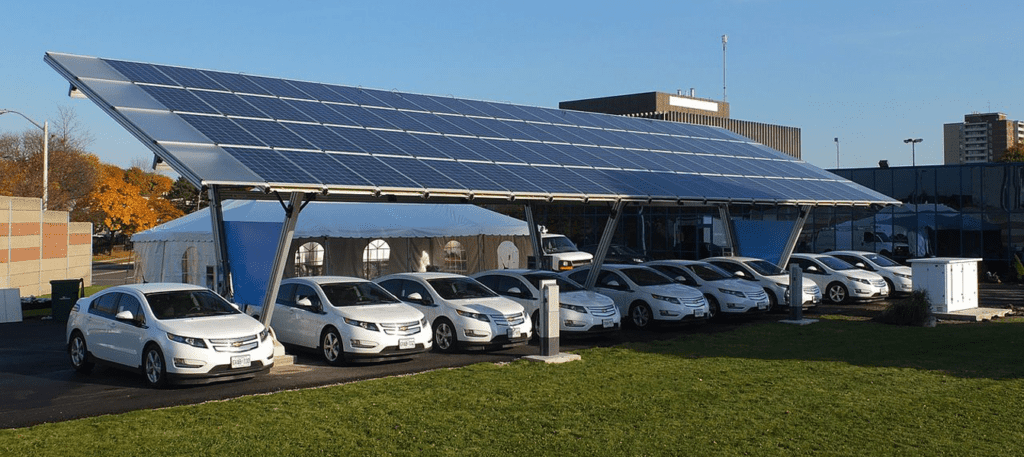
Credit: www.ecoflow.com
Installing A Solar Ev Charging System
Installing a solar EV charging system lets you power your electric car with clean energy. It reduces your electricity bills and helps the environment. This system uses solar panels to capture sunlight and convert it into electricity. You can charge your car at home using this setup. Planning the installation carefully ensures the system works well and meets your needs.
Assessing Your Energy Needs
Start by checking how much energy your car uses daily. Look at your car’s battery size and how far you drive. Calculate the electricity needed to fully charge your car each day. Also, consider your home’s overall energy use. This helps determine the size of solar panels and battery storage needed. Accurate assessment saves money and ensures enough power for your car and home.
Choosing The Right Equipment
Select solar panels that fit your roof space and budget. Higher efficiency panels produce more power in less space. Pick an inverter compatible with your solar setup and car charger. The EV charger should match your car’s charging speed. Consider adding a battery storage system to store excess solar energy. Good equipment improves charging speed and system reliability.
Professional Vs Diy Installation
Professional installers have experience and ensure safety rules are followed. They handle permits and grid connections. Hiring experts reduces the risk of mistakes and damage. DIY installation saves money but requires technical knowledge. You must understand electrical systems and local regulations. DIY can be time-consuming and risky without proper skills. Choose the option that best suits your budget and skills.
Future Trends In Solar Ev Charging
Solar energy and electric cars are growing together. This combination changes how we power vehicles. Future trends show exciting changes in solar EV charging. These trends will help us save more energy and use it smartly.
Solar charging will become easier and more common. New technology and smart systems make this possible. Storage of solar power is also getting better. These improvements will shape how we charge electric cars.
Advances In Solar Technology
Solar panels are becoming more efficient and cheaper. New materials capture more sunlight in less space. Flexible and lightweight panels will fit many surfaces. This allows charging stations to be installed almost anywhere.
Improved solar cells can work well even on cloudy days. This means more reliable energy for electric car charging. Technology updates help solar panels last longer and need less maintenance.
Integration With Smart Grids
Smart grids connect solar panels, cars, and the power system. They manage energy flow to avoid waste. Smart grids balance energy supply and demand in real time.
Electric cars can share stored solar power with the grid. This helps during peak hours or power outages. Smart systems allow users to schedule charging at low-cost times. This makes solar EV charging more affordable and efficient.
Innovations In Battery Storage
Better batteries store more solar energy for later use. New types last longer and charge faster. Home battery systems let users store solar power for night charging.
Electric cars with improved batteries can travel longer distances. Combined with solar charging, this reduces dependence on fossil fuels. Advances in battery storage make solar EV charging more practical and convenient.
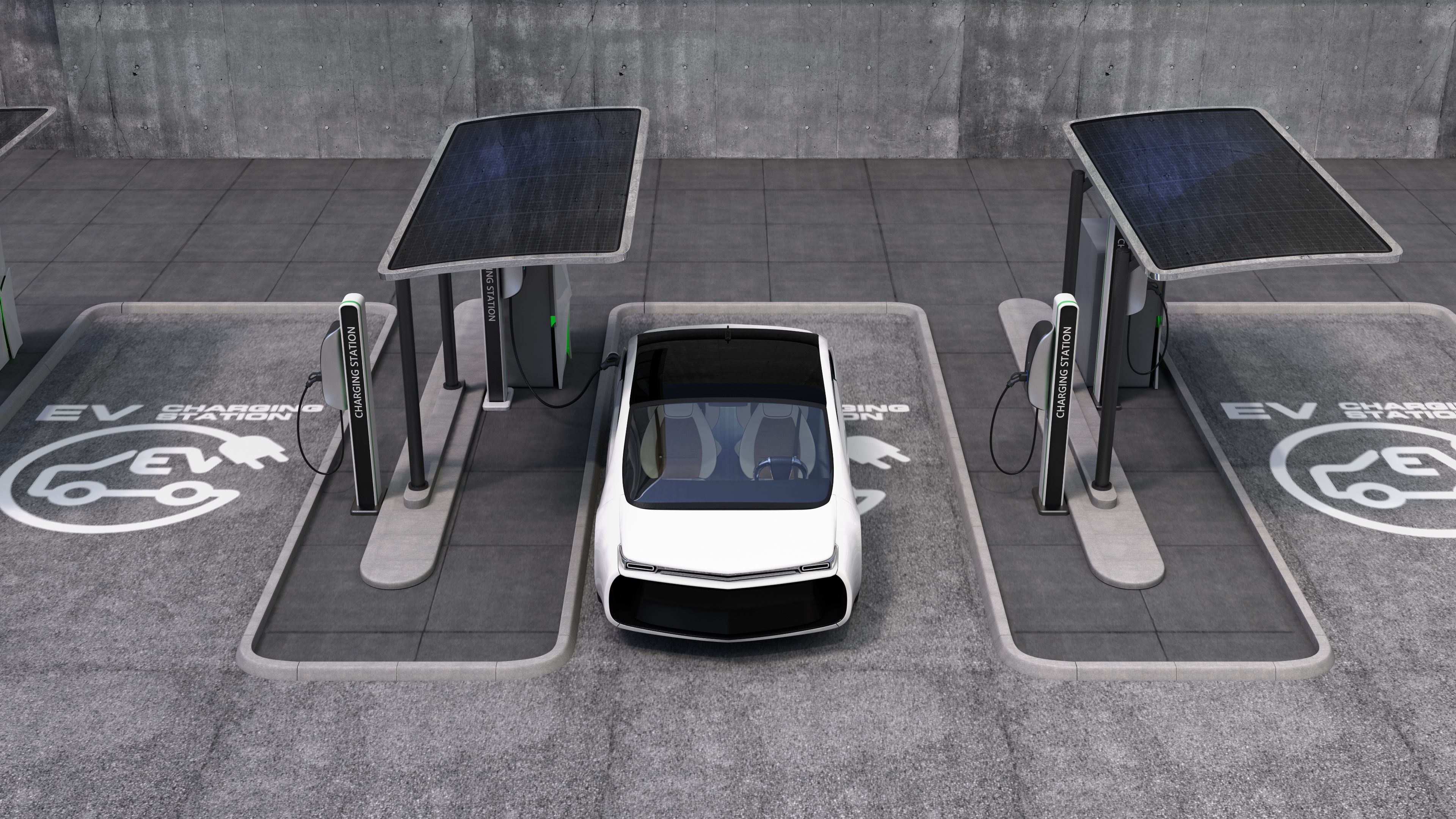
Credit: www.hertz.com
Frequently Asked Questions
Can Solar Panels Fully Charge An Electric Car?
Solar panels can charge an electric car, but full charging depends on panel size and sunlight. Most home systems need time or extra power sources for a full charge.
How Long Does Solar Charging Take For Electric Cars?
Charging time varies based on solar panel output and car battery size. It can take several hours to a full day in good sunlight.
Is Solar Charging Cost-effective For Electric Vehicles?
Solar charging can save money on fuel and electricity over time. Initial setup costs are high, but savings grow with consistent use.
What Equipment Is Needed To Charge An Ev With Solar Panels?
You need solar panels, an inverter, a charge controller, and an EV charging station. Proper installation ensures safe and efficient energy transfer.
Can Solar Panels Charge Electric Cars During Cloudy Days?
Solar panels produce less energy on cloudy days but still generate some power. Charging may be slower or need supplementary energy sources then.
Conclusion
Charging an electric car with solar panels is possible and practical. Solar energy saves money and reduces pollution. It depends on your location, sunlight hours, and panel size. Combining solar power with electric cars supports clean energy use. This method offers independence from traditional fuel sources.
It helps you contribute to a greener future. Consider your needs and setup before starting. Solar charging is a smart, eco-friendly choice for many drivers.