
Are you curious about the differences between the Tesla Model Y’s LFP and NCA batteries? Choosing the right battery can affect your car’s range, charging speed, and overall performance.
This guide breaks down everything you need to know in simple terms. By the end, you’ll feel confident about which battery suits your driving style and needs best. Keep reading, because understanding these options could save you time, money, and frustration on the road.
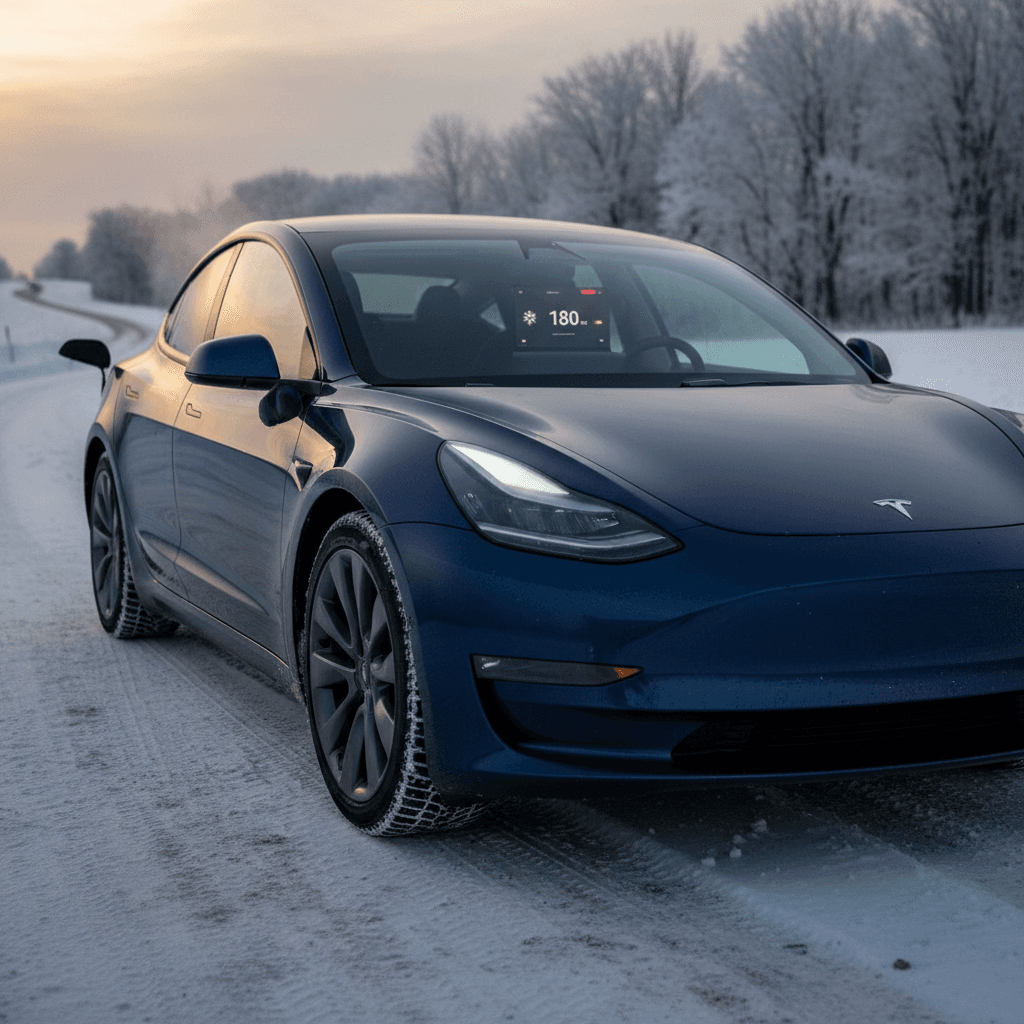
Credit: recharged.com
Tesla Model Y Battery Options
The Tesla Model Y offers two main battery types: LFP and NCA. Each battery type has unique features that affect performance, cost, and lifespan. Understanding these differences helps buyers choose the right Model Y for their needs.
This guide explains the basics of both LFP and NCA batteries. It covers how they work, their strengths, and their limitations.
Lfp Battery Basics
LFP stands for Lithium Iron Phosphate. This battery type is known for safety and long life. It lasts more charge cycles than many other batteries. LFP batteries handle heat well, making them stable in warm climates. They cost less to produce, which helps lower the car’s price. However, LFP batteries store less energy per weight. This means the driving range can be shorter than other batteries.
Nca Battery Basics
NCA means Nickel Cobalt Aluminum. These batteries have a high energy density. They hold more power in a smaller, lighter package. NCA batteries give the Model Y longer driving range. They charge faster than LFP batteries. NCA batteries are more expensive to make. They also need more careful temperature control to avoid damage. This type is popular in Tesla’s higher-end models for performance benefits.

Credit: www.basenor.com
Performance Differences
The Tesla Model Y offers two main battery types: LFP and NCA. Both affect how the car performs. Understanding these differences helps buyers choose the right battery. Below, we explore key performance factors.
Energy Density
NCA batteries have higher energy density than LFP. This means NCA stores more energy in the same space. It allows for longer driving ranges. LFP batteries are larger but safer and cheaper. They hold less energy but last longer in cycles.
Power Output
NCA batteries can deliver higher power output. This supports stronger performance during heavy acceleration. LFP batteries provide steady power but at lower peaks. They suit daily driving needs and smooth rides better.
Acceleration Impact
Cars with NCA batteries accelerate faster due to higher power. This feels more responsive when pressing the pedal. LFP battery cars accelerate a bit slower but maintain consistent power. Both offer good acceleration for city and highway driving.
Durability And Lifespan
The durability and lifespan of Tesla Model Y batteries matter most to owners. They affect how long the car runs on a single charge. They also influence when the battery needs replacement. Tesla uses two main types of batteries: LFP (Lithium Iron Phosphate) and NCA (Nickel Cobalt Aluminum). Each type shows different strengths in lasting over time.
Cycle Life
Cycle life means how many full charges and discharges a battery can handle. LFP batteries usually last longer in this area. They can reach over 3,000 cycles before losing much capacity. NCA batteries often last fewer cycles, around 1,000 to 1,500. Longer cycle life means the battery stays useful for years.
Degradation Rates
Degradation rates show how fast a battery loses its ability to hold charge. LFP batteries degrade more slowly. They keep their capacity better over time. NCA batteries degrade faster, losing more capacity after each cycle. Slower degradation means less frequent battery replacements.
Temperature Resilience
Temperature resilience is how well a battery handles heat and cold. LFP batteries resist heat better and are safer in hot climates. NCA batteries perform well in cold weather but can overheat more easily. Proper temperature handling helps extend battery life and keep driving smooth.
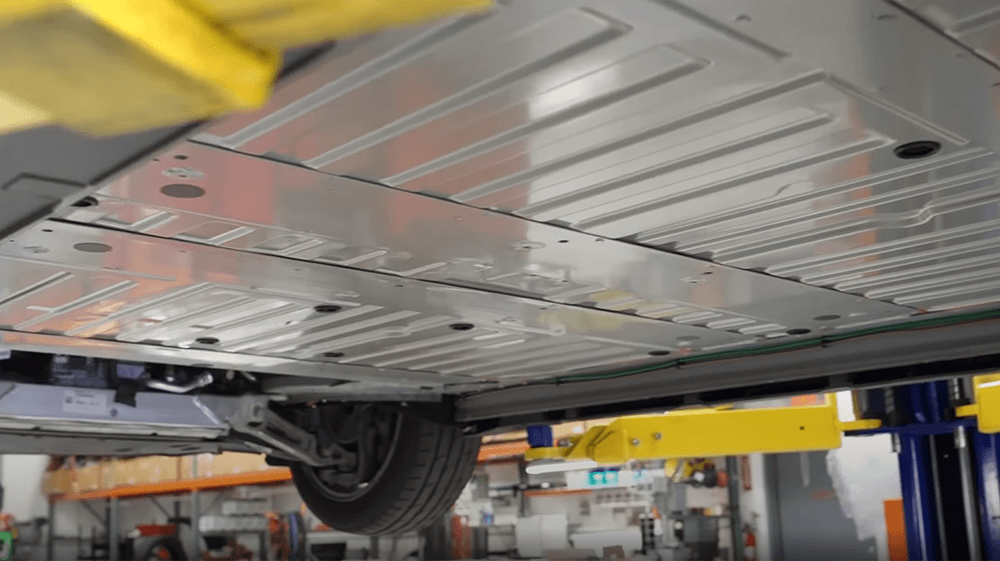
Credit: www.findmyelectric.com
Charging Characteristics
Charging characteristics play a big role in the Tesla Model Y’s battery performance. Different battery types affect how fast and efficient the charging process is. They also influence the battery’s health over time. Understanding these factors helps you make better choices for your electric vehicle.
Charging Speed
LFP batteries charge slower than NCA types at high power. They handle lower peak charging rates safely. NCA batteries accept faster charging, especially at superchargers. This means shorter stops for NCA users. LFP batteries perform well at regular home charging speeds.
Charging Efficiency
LFP batteries lose less energy during charging. This leads to better overall efficiency. NCA batteries have slightly higher energy loss. Efficiency affects how much electricity turns into usable power. LFP batteries keep more charge from the grid to the road.
Impact On Battery Health
LFP batteries last longer with more charge cycles. They suffer less from fast charging stress. NCA batteries degrade faster under frequent fast charging. Proper charging habits extend battery life for both types. LFP batteries handle heat better and maintain capacity well.
Safety Aspects
Safety is a top concern for electric vehicle owners. Battery type plays a big role in how safe a Tesla Model Y is. Both LFP and NCA batteries have different safety features. Understanding these can help you choose the right option for your needs.
Thermal Stability
LFP batteries have higher thermal stability. They handle heat better and are less likely to overheat. This reduces the risk of battery damage during hot weather or heavy use. NCA batteries can heat up faster and need more cooling to stay safe.
Fire Risk
LFP cells are less prone to catching fire. Their chemistry is more stable under stress. NCA batteries have a higher energy density but can catch fire more easily if damaged. This makes LFP a safer choice in terms of fire hazards.
Crash Safety
Both battery types are built to withstand crashes. LFP batteries may perform better under impact due to their stable structure. NCA batteries require stronger protective casing to prevent damage. Tesla designs both to meet strict safety standards.
Cost And Availability
Understanding the cost and availability of Tesla Model Y batteries helps buyers make smart choices. Tesla uses two main battery types: LFP (Lithium Iron Phosphate) and NCA (Nickel Cobalt Aluminum). Each type has different impacts on price and supply. This section breaks down these differences.
Manufacturing Costs
LFP batteries use cheaper materials like iron and phosphate. These materials cost less than nickel and cobalt. NCA batteries need expensive metals, raising production costs. LFP cells are simpler to make and safer. This lowers the overall manufacturing expenses for LFP batteries.
Market Availability
LFP batteries rely on more common materials. This means they are easier to produce in large amounts. NCA batteries depend on metals that face supply limits. These metals often come from few places. Tesla can supply more Model Ys with LFP batteries due to better availability.
Impact On Vehicle Price
Lower manufacturing costs for LFP batteries help reduce car prices. Model Ys with LFP batteries often cost less than those with NCA. The price difference reflects the battery type inside. Choosing LFP can make Tesla ownership more affordable for many buyers.
Environmental Impact
The environmental impact of Tesla Model Y batteries is a key topic for many buyers. Choosing between LFP (Lithium Iron Phosphate) and NCA (Nickel Cobalt Aluminum) batteries affects more than just driving range. It also touches on how the earth’s resources are used and preserved. Examining raw material sourcing, recycling potential, and carbon footprint helps us understand this impact better.
Raw Material Sourcing
LFP batteries use iron and phosphate, which are abundant and easy to find. These materials cause less harm to nature during mining. NCA batteries rely on nickel and cobalt. Mining these metals can damage ecosystems and pollute water. Cobalt mining also raises social concerns in some countries. LFP’s common materials make it a greener choice here.
Recycling Potential
LFP batteries are simpler to recycle due to fewer toxic metals. Recycling them recovers key elements with less pollution. NCA batteries contain valuable metals like cobalt and nickel. These metals can be reused but require complex recycling processes. Both types benefit from better recycling technology. Still, LFP offers easier and safer recycling paths.
Carbon Footprint
Building LFP batteries emits less carbon dioxide. The mining and processing of iron and phosphate use less energy. NCA batteries need more energy to produce because of complex metal extraction. During use, both batteries help lower car emissions. Overall, LFP batteries tend to leave a smaller carbon footprint from start to finish.
Which Battery Suits Your Needs?
Choosing the right battery for your Tesla Model Y affects your driving experience a lot. Tesla offers two main battery types: LFP (Lithium Iron Phosphate) and NCA (Nickel Cobalt Aluminum). Each suits different needs and driving habits. Understanding which fits you helps save money and get the best performance.
Daily Driving
LFP batteries last longer with many charging cycles. They handle daily charging well without much wear. This makes them good for short trips and city driving. They also use regular charging speeds. This keeps your routine simple and reliable.
Long Distance Travel
NCA batteries have higher energy density. They offer longer range per charge. This suits drivers who often travel long distances. NCA batteries recharge faster on superchargers. This reduces downtime on road trips. They provide more power for sustained highway speeds.
Climate Considerations
LFP batteries handle heat better and are safer in warm weather. They do not lose much capacity in hot climates. NCA batteries perform well in cold weather but need more care. Cold can reduce their range and charging speed. Choose based on your local climate for best battery life.
Frequently Asked Questions
What Is The Main Difference Between Lfp And Nca Batteries?
LFP batteries use lithium iron phosphate, while NCA batteries use nickel, cobalt, and aluminum. This affects weight, cost, and energy density. LFP is safer but holds less energy than NCA.
Which Battery Type Offers Better Range For Tesla Model Y?
NCA batteries typically provide a longer driving range than LFP batteries. This is due to their higher energy density. LFP batteries focus more on safety and longevity.
How Does Battery Safety Compare Between Lfp And Nca?
LFP batteries are more stable and less likely to catch fire. NCA batteries can be more volatile but offer higher performance. Safety is a key advantage of LFP cells.
Are Lfp Batteries Cheaper Than Nca Batteries For Tesla Model Y?
Yes, LFP batteries generally cost less because they use cheaper materials. NCA batteries have expensive metals like cobalt. Cost differences impact the overall vehicle price.
Which Battery Type Lasts Longer In Tesla Model Y?
LFP batteries usually have a longer lifespan and more charge cycles. NCA batteries may degrade faster under heavy use. Longer life means fewer battery replacements for LFP.
Conclusion
Choosing between Tesla Model Y’s LFP and NCA batteries depends on your needs. LFP batteries offer longer life and safety but less range. NCA batteries provide higher energy and faster charging but cost more. Think about what matters most: cost, range, or durability.
Both types have pros and cons. Understanding these helps you make a smarter choice for your Tesla Model Y. Keep these points in mind when deciding on the battery type. This guide makes the options clear and simple to follow.