
Are you worried about how your Tesla’s battery holds up when the weather turns extreme? Whether you face freezing winters or scorching summers, your car’s battery life can be affected more than you think.
Understanding how temperature impacts your Tesla is key to keeping it running smoothly and getting the most out of every charge. You’ll discover practical tips and insider knowledge that help protect your battery and boost its performance no matter the weather.
Keep reading—you’ll learn exactly what you need to know to safeguard your Tesla and enjoy every drive with confidence.
Impact Of Extreme Weather On Tesla Batteries
Extreme weather affects Tesla battery life in many ways. Cold and hot temperatures change how the battery works. These changes impact driving range and charging speed. Understanding these effects helps Tesla owners prepare better.
Effects Of Cold Temperatures
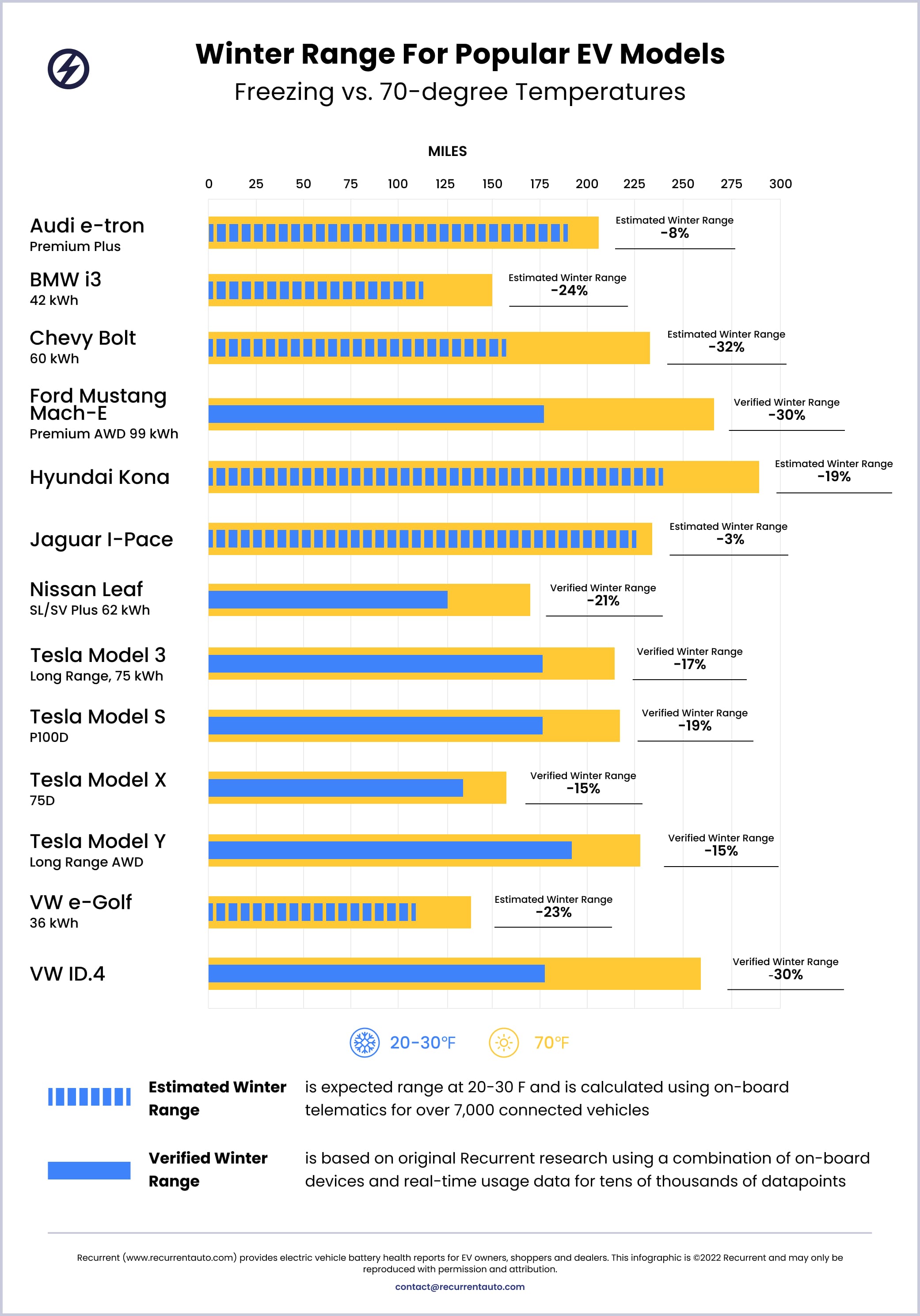
Cold weather slows down Tesla batteries. Chemical reactions inside the battery happen slower. This reduces the battery’s ability to hold charge. The car may take longer to charge. The driving range can drop significantly. Tesla uses battery heaters to reduce these effects.
Challenges In Hot Climates
High temperatures can harm Tesla batteries too. Heat speeds up battery wear and tear. It can cause faster battery aging. The battery may lose capacity over time. Tesla cars use cooling systems to protect batteries. Still, extreme heat can reduce battery life.
Seasonal Battery Performance Variations
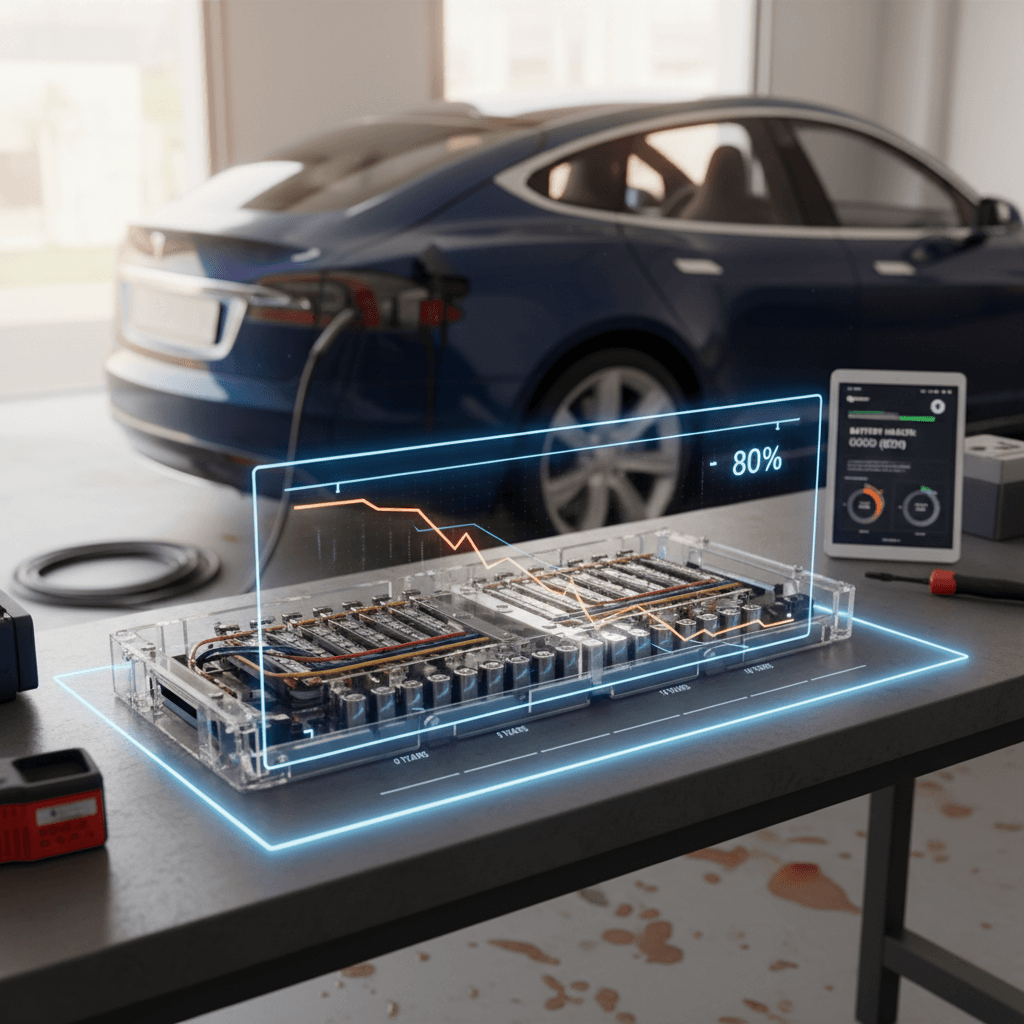
Battery performance changes with seasons. In winter, range and charging slow down. In summer, the battery works better but may overheat. Tesla’s climate control helps balance these changes. Drivers should expect some variation in battery range. Planning trips with weather in mind is smart.
Credit: recharged.com
Tesla Battery Technology And Weather Adaptation
Tesla battery technology adapts well to extreme weather. It helps keep the battery safe and working. Cold and hot weather can affect battery life. Tesla uses smart systems to manage these changes. The goal is to keep driving range steady. The battery stays healthy in many climates.
Battery Chemistry And Thermal Management
Tesla batteries use lithium-ion cells made for stability. The chemistry is chosen to work in cold and heat. Tesla adds a thermal management system. It controls battery temperature during charging and driving. The system heats the battery in cold weather. It cools the battery when it gets too hot. This balance protects battery life and performance.
Built-in Climate Control Features
Tesla cars have built-in climate control for the battery. This feature keeps battery temperature in the best range. It adjusts automatically based on outside weather. The system starts warming or cooling before driving. This helps keep the battery ready and efficient. It also improves the car’s range in tough weather.
Software Updates For Weather Optimization
Tesla uses software updates to improve battery weather performance. Updates fine-tune thermal management and energy use. They add new features to manage battery health. These updates reach cars over the air. Owners get better battery life without visiting service centers. Software helps the car adapt to changing climates.
Tips To Maximize Battery Performance In Cold Weather
Cold weather can reduce your Tesla’s battery performance. Batteries work slower in low temperatures. Taking steps to protect your battery helps keep your car running smoothly. Here are some simple tips to improve battery life during cold weather.
Preconditioning Your Tesla
Preconditioning warms the battery before driving. Use the Tesla app to start heating while still plugged in. This saves battery power for driving. Warm batteries perform better and last longer. Preconditioning also warms the cabin for comfort.
Optimal Charging Practices
Charge your Tesla to about 80-90% in cold weather. Avoid charging to 100% unless needed for long trips. Keep the car plugged in when possible. Charging generates heat, which helps keep the battery warm. Use a Tesla Supercharger for faster charging when necessary.
Parking And Storage Recommendations
Park your Tesla in a garage or sheltered area. Protects the battery from freezing temperatures. Avoid parking outside in extreme cold for long periods. If no garage is available, use a car cover. Keep the battery charged above 20% during storage. This prevents deep discharge and damage.
Credit: www.recurrentauto.com
Strategies To Protect Battery Health In Hot Weather
Hot weather can shorten Tesla battery life if not managed well. Heat stresses the battery, reducing its efficiency and lifespan. Simple strategies help protect battery health in extreme heat. These tips keep your Tesla running longer and safer under the sun.
Avoiding Overheating Risks
Keep your Tesla out of direct sunlight for long periods. Park in covered areas or garages whenever possible. Avoid leaving the car in hot places during midday. High temperatures increase the risk of battery overheating. Overheating can cause permanent damage and reduce driving range. Monitor battery temperature using Tesla’s app to detect heat issues early.
Charging Habits For Heat Protection
Charge your Tesla during cooler parts of the day, like early morning or late evening. Avoid fast charging repeatedly in hot weather, as it raises battery temperature quickly. Use Tesla’s scheduled charging feature to control charging times. Keep charging sessions short and avoid topping off the battery too often. Proper charging habits prevent heat build-up inside the battery pack.
Using Shade And Ventilation Effectively
Use sunshades inside the car to block direct sunlight through windows. Open windows slightly to allow air circulation when parked safely. Avoid sealing the car completely in hot environments. Ventilation helps lower cabin temperature and reduces heat transfer to the battery. Shade and airflow work together to keep the battery cooler and healthier.
Monitoring And Maintaining Battery Durability
Keeping your Tesla battery healthy is key to long-lasting performance. Extreme weather can stress the battery and reduce its life. Monitoring and maintaining battery durability helps protect your investment. It also ensures your Tesla runs smoothly in cold or hot conditions.
Regular Battery Health Checks
Check your battery regularly to spot issues early. Use Tesla’s built-in tools or apps to monitor battery status. Watch battery charge levels and temperature closely. Regular checks help you avoid sudden battery failure.
Recognizing Signs Of Battery Degradation
Look for slower charging times and shorter driving range. Notice if your Tesla loses power quickly during trips. Unexpected battery drain or warning lights signal trouble. Early signs mean you can take action before damage worsens.
When To Seek Professional Service
Contact Tesla service if battery problems persist. Professionals can run detailed diagnostics and fix complex issues. Don’t wait if you see warning messages or experience performance loss. Timely service helps extend battery life and keeps your Tesla safe.
Future Innovations For Extreme Weather Resilience
Extreme weather challenges electric vehicle batteries. Tesla aims to improve battery life in hot and cold climates. Future innovations focus on making batteries last longer and work better in tough conditions.
Advancements In Battery Materials
New materials can help batteries handle heat and cold. Scientists explore stronger chemicals that keep batteries safe. These materials also help batteries store more energy. This means longer drives even in extreme weather.
Improved Thermal Management Systems
Keeping batteries at the right temperature is key. Tesla works on smart cooling and heating systems. These systems protect batteries from damage. They help maintain power and increase battery life.
Emerging Technologies In Ev Batteries
Solid-state batteries are a big focus for the future. They offer better safety and last longer in cold weather. Other new battery types promise faster charging and greater range. Tesla’s research pushes these technologies forward.

Credit: pimpmyev.com
Frequently Asked Questions
How Does Extreme Weather Affect Tesla Battery Life?
Extreme heat or cold can reduce Tesla battery efficiency and range. Batteries work best in moderate temperatures. Protecting your car helps maintain battery health.
Can Tesla Batteries Survive Very Cold Winters?
Tesla batteries can operate in cold weather but with less range. Preconditioning the battery warms it for better performance. Using a garage or heater helps conserve battery life.
Does Hot Weather Damage Tesla Batteries Quickly?
High temperatures can speed up battery wear over time. Tesla uses cooling systems to keep batteries safe. Parking in shade or indoors reduces heat impact.
How Can I Protect My Tesla Battery In Extreme Weather?
Keep your Tesla plugged in to manage battery temperature. Use climate control to preheat or cool the cabin. Avoid full charges in extreme heat or cold.
What Is Tesla’s Battery Warranty For Weather-related Issues?
Tesla offers an 8-year warranty covering battery capacity loss below 70%. Weather damage is usually covered if it affects battery function. Check your warranty terms for details.
Conclusion
Tesla batteries handle extreme weather with care and smart design. Cold and heat can lower range but don’t ruin the battery fast. Tesla uses cooling and heating systems to protect battery life. Regular charging and avoiding full drains help keep batteries healthy.
Knowing these tips can help you get the most from your Tesla. Weather challenges exist, but Tesla works hard to keep your drive smooth. Trust in smart technology and simple habits for longer battery life. Your Tesla can adapt and perform well in many climates.